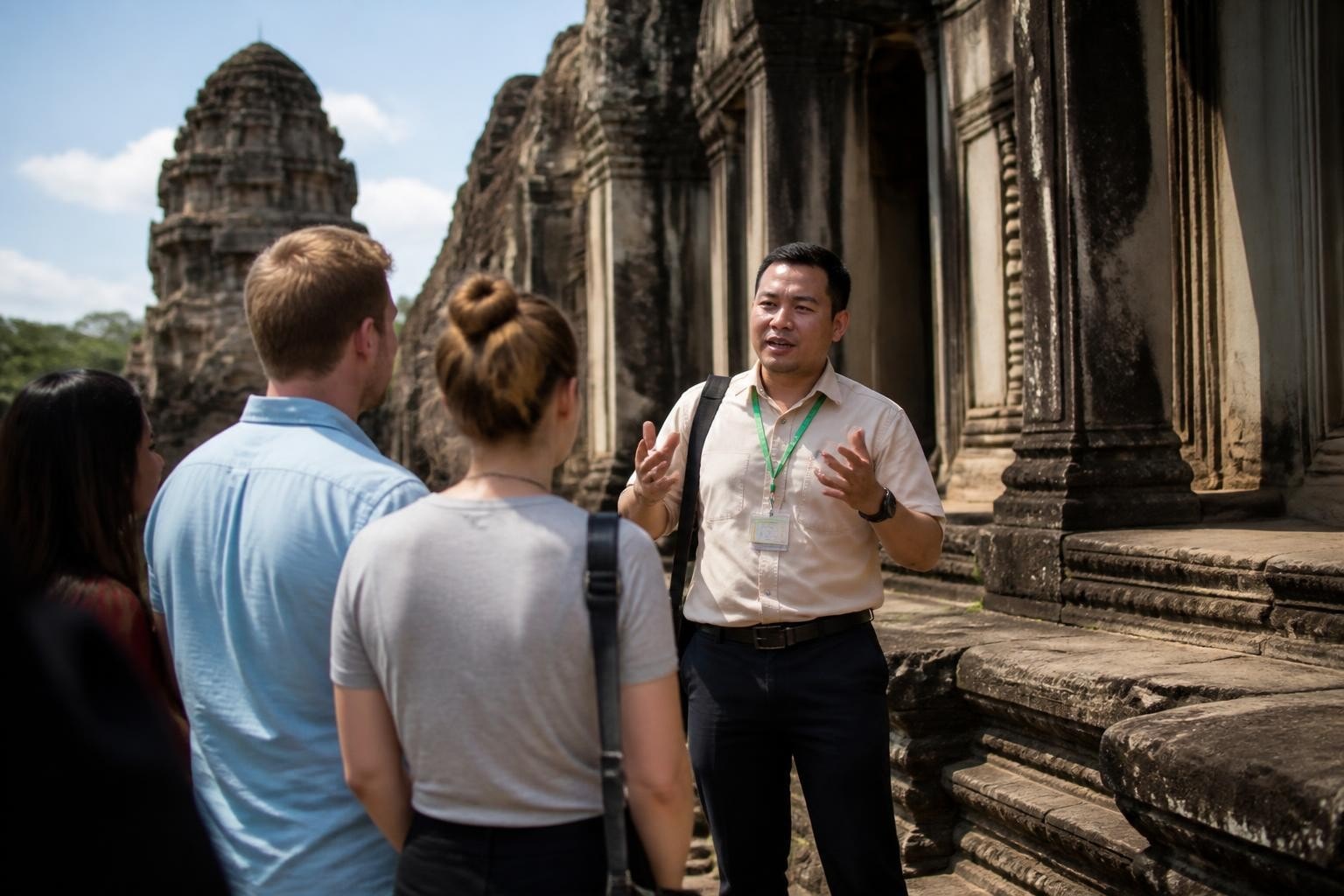
Standing at the crossroads of exploration and understanding, I remember my first proper guided tour vividly. The guide wasn't just reciting facts from a well-worn script. She was sharing her city's soul, weaving together threads of history, culture, and personal memory into something altogether magical. That moment changed how I travelled forever, and it's a transformation that thousands experience daily through travel guide tours around the world. These curated experiences have evolved far beyond simple sightseeing, becoming gateways to authentic connection, deep cultural immersion, and stories that textbooks never capture.
The Evolution of Guided Exploration
Travel guide tours have undergone a remarkable transformation over the past decade. What once meant following a flag-wielding leader through crowded tourist traps has blossomed into sophisticated, personalised experiences that cater to curious minds seeking genuine connection.
The shift began subtly, with travellers growing weary of surface-level encounters. They wanted more than photographs of monuments. They craved context, narrative, and the kind of insider knowledge that turns a building into a time machine. This hunger for authenticity has reshaped the entire industry.
From Information to Storytelling
Today's most successful travel guide tours prioritise narrative over data dumps. Guides have become storytellers first, historians second. They understand that remembering a legend about a ancient archway matters more than memorising the year it was built. This storytelling approach creates emotional anchors that travellers carry home, long after their luggage is unpacked.
Modern guided tours typically incorporate:
- Personal anecdotes from local residents
- Lesser-known historical episodes that illuminate major events
- Interactive elements that engage multiple senses
- Connections between past and present that make history relevant
- Opportunities for travellers to ask questions and shape the experience
The statistics support this evolution. According to research on adventure travel trends, travellers increasingly seek experiences that offer cultural immersion and authentic local interaction, with guided tours being a primary vehicle for these connections.
Choosing the Right Tour for Your Journey
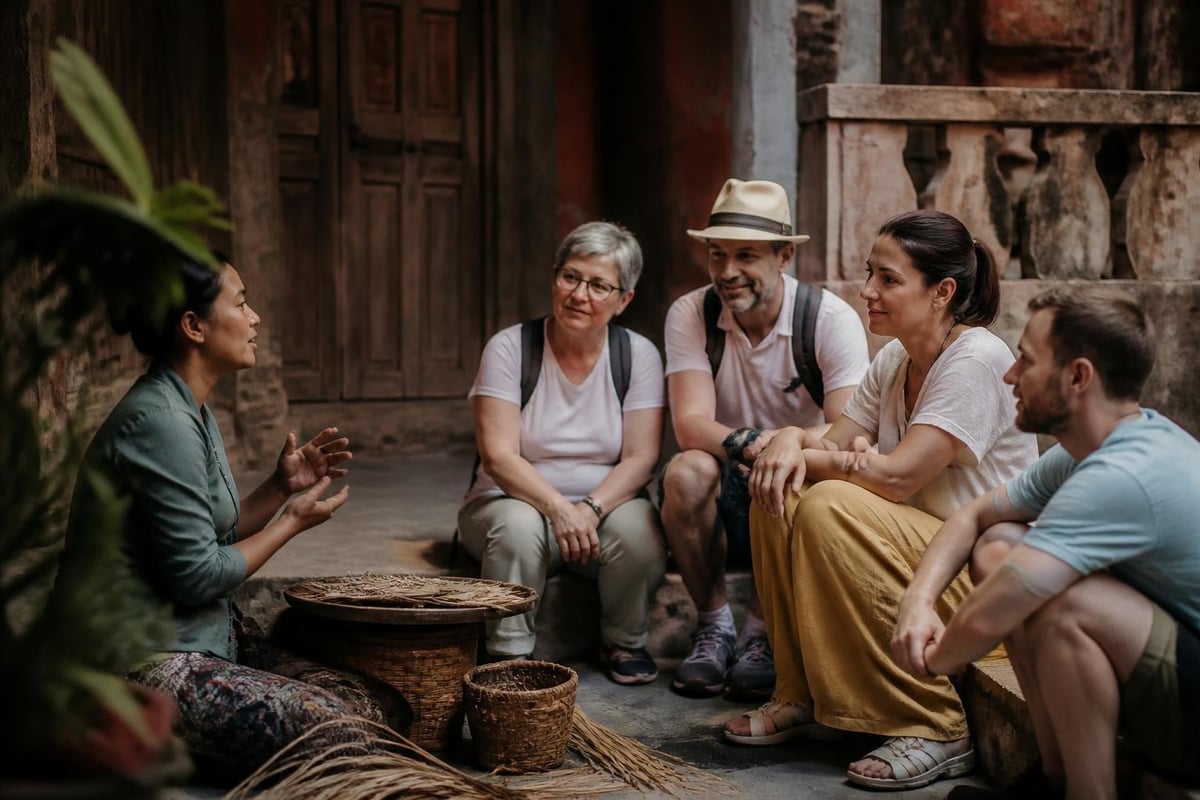
Not all travel guide tours serve the same purpose, and understanding the spectrum of options available helps travellers make informed choices that align with their interests and travel style.
The Free Tour Revolution
Free walking tours have democratised access to expert guidance, particularly in historically rich cities. These tours operate on a tip-based model, making quality experiences accessible regardless of budget. The format encourages guides to deliver exceptional value, as their income depends directly on satisfied participants.
I've witnessed how this model transforms group dynamics. Without the pressure of a hefty upfront payment, travellers feel more relaxed, ask more questions, and engage more authentically with both the guide and fellow participants. The atmosphere becomes collaborative rather than transactional.
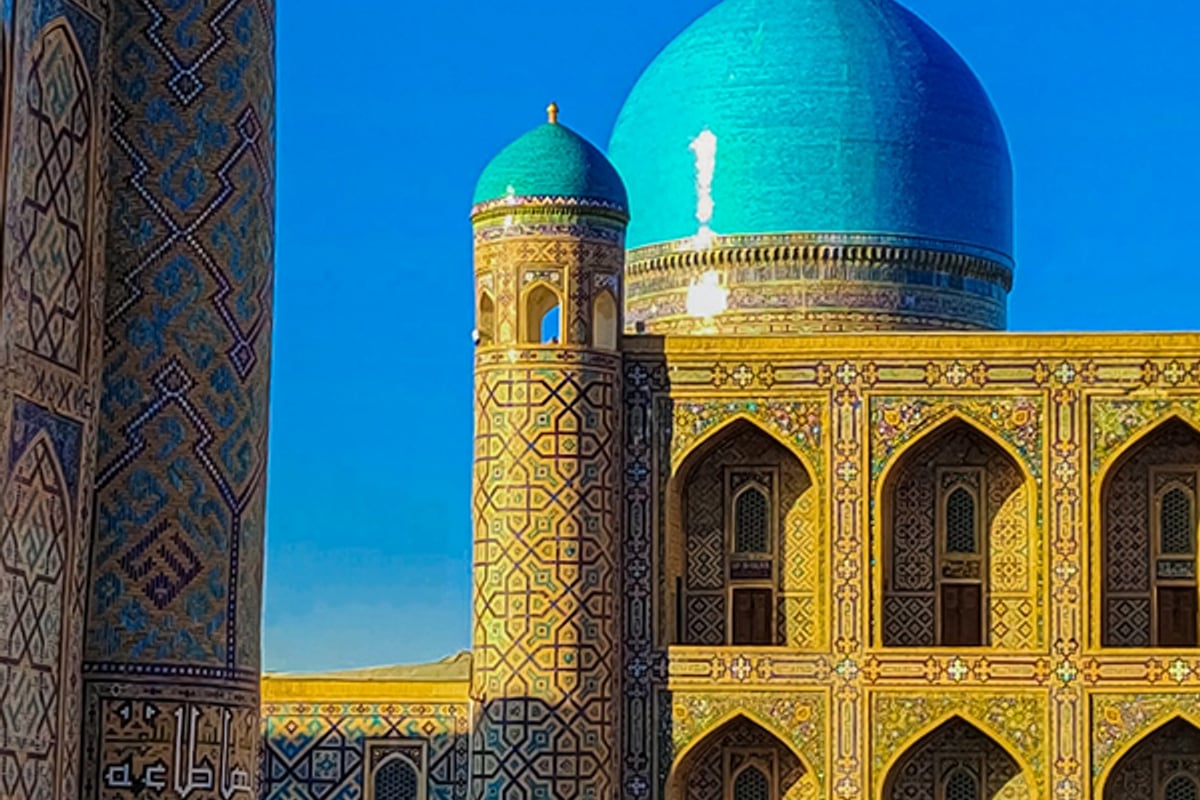
For those exploring cities steeped in history and culture, free tours offer an exceptional starting point. Taking a free walking tour in Samarkand, for instance, provides an accessible introduction to one of the Silk Road's most magnificent cities, allowing visitors to discover hidden gems and historical narratives before deciding which sites warrant deeper exploration.
| Tour Type | Best For | Typical Duration | Group Size | Price Range |
|---|---|---|---|---|
| Free Walking Tours | Budget travellers, city overviews | 2-3 hours | 10-25 people | Tip-based (€5-15) |
| Private Tours | Personalised experiences, specific interests | Flexible | 1-6 people | €100-500+ |
| Small Group Specialist Tours | Deep dives into topics, connections | 3-6 hours | 4-12 people | €50-150 |
| Multi-Day Guided Tours | Comprehensive regional exploration | 3-14 days | 8-20 people | €200-500+ per day |
Specialty Tours and Niche Interests
The beauty of modern travel guide tours lies in their specialisation. Whether your passion is architecture, food, street art, religious history, or underground culture, there's likely a tour designed specifically around it.
Popular specialty tour categories include:
- Culinary tours exploring regional cuisine and food culture
- Photography tours timed for optimal lighting and unique perspectives
- Historical deep-dives focusing on specific periods or events
- Architecture tours examining building styles and urban development
- Literary tours following in the footsteps of famous authors
This specialisation reflects broader travel trends. Expedia’s 2025 insights reveal that travellers increasingly seek unique, customised experiences aligned with personal passions rather than generic itineraries.
The Human Element: What Makes a Great Guide
Behind every memorable travel guide tour stands an exceptional guide. These individuals possess a unique alchemy of knowledge, charisma, and genuine passion that transforms information into inspiration.
Beyond Memorised Scripts
The finest guides I've encountered share certain qualities. They listen as much as they speak, adapting their delivery to the group's energy and interests. They read the room, knowing when to inject humour, when to pause for reflection, and when to invite questions.
Their knowledge extends beyond rehearsed facts. Ask them an unexpected question, and they'll draw connections you'd never considered. They know the current political climate, the best local restaurant that opened last month, and the story behind that graffiti you just photographed.
Characteristics of exceptional tour guides:
- Deep local knowledge that goes beyond tourist information
- Storytelling ability that makes history feel immediate and relevant
- Cultural sensitivity and awareness of diverse perspectives
- Flexibility to adapt tours based on group dynamics and interests
- Passion that's genuinely contagious rather than performed
The Guide's Responsibility
Professional guides carry significant responsibility. They shape visitors' perceptions of entire cultures, cities, or historical periods. A single tour can cement stereotypes or shatter them, inspire further learning or satisfy superficial curiosity.
Research on sustainable tourism practices highlights how tour guides serve as crucial intermediaries, influencing not only what tourists see but how they interact with communities and environments. The best guides recognise this power and wield it thoughtfully.
Maximising Your Guided Tour Experience
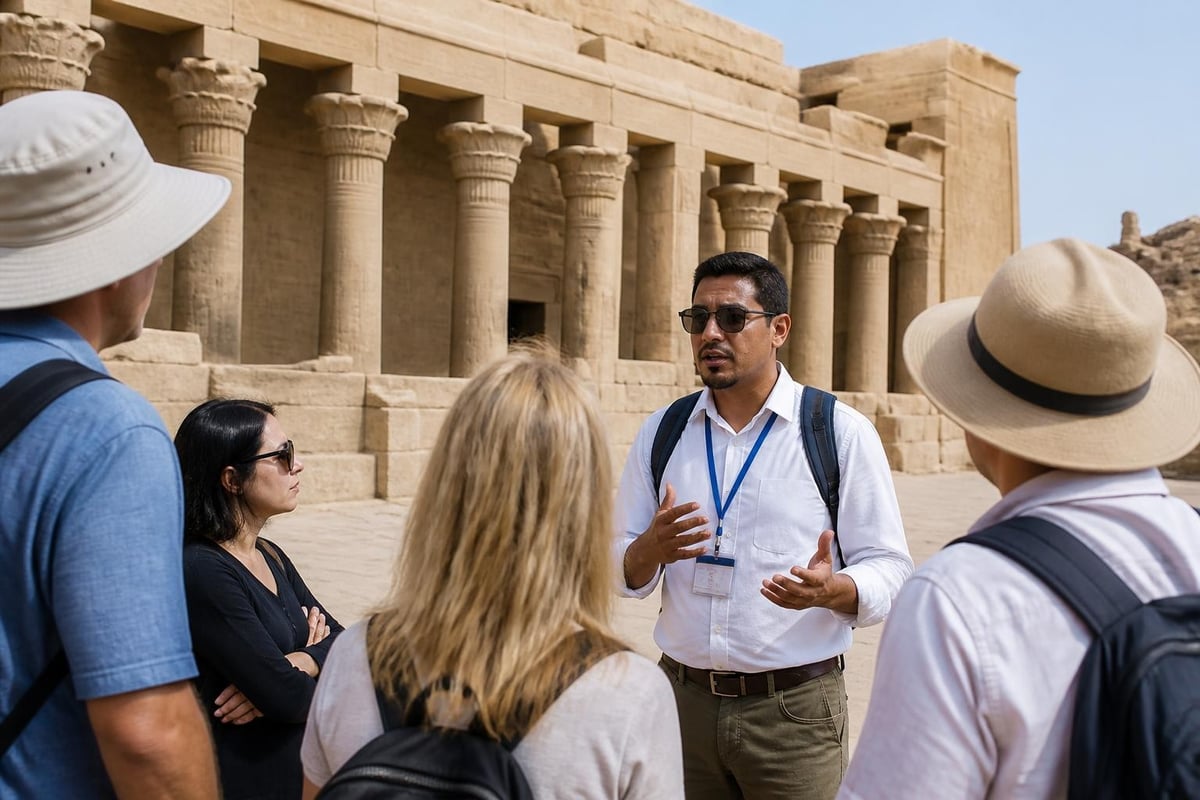
Even the most brilliant travel guide tours deliver different value depending on how participants engage. Active participation transforms good tours into transformative experiences.
Preparation Enhances Appreciation
Before joining any tour, invest thirty minutes in basic research. Understanding the broad historical context means you'll catch subtle references and appreciate nuanced interpretations. You'll ask better questions and engage in richer conversations.
I learned this lesson in Florence, arriving for a Renaissance art tour with zero background knowledge. Much of the guide's brilliant commentary sailed over my head because I lacked the framework to catch it. A year later, having read even a basic overview of the period, a similar tour became revelatory.
Pre-tour preparation steps:
- Read a brief overview of the destination's history and culture
- Identify 2-3 specific questions or topics you're curious about
- Research the tour company and guide's specialties
- Review recent traveller feedback for insights
- Wear comfortable shoes and dress appropriately for the weather
During the Tour
Active listening creates exponential value. Position yourself where you can hear clearly without dominating the front position. Take occasional notes, but don't let documentation prevent presence. The best memories often form during unplanned moments between official stops.
Engage thoughtfully with questions. The guide likely knows fascinating details they haven't shared because they're unsure of group interest. Your curiosity gives them permission to go deeper.
Tour participation best practices:
- Arrive five minutes early to avoid delaying the group
- Silence your phone to maintain immersion
- Ask questions during designated breaks rather than interrupting
- Share relevant knowledge respectfully without monopolising conversation
- Respect the guide's time boundaries while showing appreciation
The Business of Travel Guide Tours
Understanding the economics behind travel guide tours helps travellers make informed choices and appreciate the value guides provide. The industry faces unique challenges that shape how tours are structured and priced.
Sustainable Business Models
Guides navigate complex economics. They often work as independent contractors, shouldering business expenses while dealing with seasonal fluctuations and weather-dependent cancellations. This reality impacts tour quality, as financially stressed guides may rush through content or overbook themselves.
| Business Model | Guide Income Source | Traveller Benefits | Potential Challenges |
|---|---|---|---|
| Tip-Based Free Tours | Participant tips only | Low financial barrier | Income uncertainty for guides |
| Fixed-Price Tours | Direct payment | Guaranteed guide income | Higher upfront cost |
| Commission-Based Tours | Partner venue commissions | Often include entry fees | May prioritise commission venues |
| Hybrid Models | Tips plus base fee | Balanced value | Complex pricing structure |
The most sustainable models balance accessibility with fair compensation. Deloitte’s travel industry outlook emphasises how technology and changing consumer expectations are pushing tour operators toward more transparent, value-based pricing structures.
Technology's Growing Role
Digital platforms have revolutionised how travellers discover and book travel guide tours. Review systems provide unprecedented transparency, while booking technology streamlines logistics. Yet technology also introduces challenges, particularly regarding authentic reviews versus promotional content.
Smart travellers cross-reference multiple sources before booking. A tour with hundreds of five-star reviews but generic descriptions might indicate fake feedback. Conversely, detailed reviews mentioning specific guide names and concrete examples suggest genuine experiences.
Regional Variations and Cultural Context
Travel guide tours manifest differently across cultures, reflecting local values, historical experiences, and communication styles. Understanding these variations enriches appreciation and helps travellers choose appropriate experiences.
Eastern Approaches
In many Asian cultures, guides often emphasise group harmony and collective experience over individual interaction. Tours may feel more structured, with clear hierarchies and formal protocols. This doesn't indicate lack of warmth but rather different cultural expressions of hospitality.
Central Asian destinations like Samarkand present fascinating blends of Eastern and Western guiding styles, shaped by Silk Road heritage and Soviet-era influences. Guides often weave multiple cultural perspectives into their narratives, reflecting the region's historical role as a crossroads of civilisations.
Western Styles
European and North American guides typically encourage informal interaction and questioning. Tours may feel conversational, with guides positioning themselves as knowledgeable companions rather than authorities. This approach reflects individualistic cultural values and democratic educational traditions.
Cultural considerations for international travellers:
- Research appropriate tipping customs for the destination
- Understand local attitudes toward time and punctuality
- Learn basic greetings in the local language
- Respect photography restrictions at religious or sensitive sites
- Be aware of dress codes for certain venues
Emerging Trends Reshaping Guided Tours
The travel guide tour industry continues evolving rapidly, responding to technological innovation, environmental concerns, and shifting traveller priorities. Understanding these trends helps both providers and participants navigate the changing landscape.
Virtual and Hybrid Experiences
The pandemic accelerated virtual tour development, and many of these innovations are persisting. Live-streamed walking tours allow remote participation, making destinations accessible to those unable to travel. Some companies now offer hybrid models where in-person and virtual participants join the same experience.
While virtual tours can't replace physical presence, they serve valuable purposes. They enable destination research before booking trips, provide access for mobility-limited travellers, and create ongoing connection for those who've visited and want deeper engagement.
Sustainability and Responsible Tourism
Conscious travellers increasingly seek travel guide tours that minimise environmental impact and support local communities authentically. This means smaller groups, slower pacing, and guides who address both historical achievements and contemporary challenges honestly.
The best tours now incorporate discussions about preservation, cultural sensitivity, and travellers' role in destination sustainability. Guides don't just showcase beauty but also explain the fragility requiring protection and the communities deserving respect.
Hyper-Personalisation
Technology enables unprecedented customisation. Algorithm-driven recommendations match travellers with guides based on detailed preference profiles. Some platforms allow co-creation, where participants help design their tour before it begins.
This personalisation extends to pacing, depth, and thematic focus. A tour might adapt mid-journey based on participants' demonstrated interests, creating truly responsive experiences impossible in traditional fixed-format tours.
Making Tours Accessible and Inclusive
The finest travel guide tours welcome diverse participants, recognising that accessibility benefits everyone while reflecting values of equity and inclusion.
Physical Accessibility
Progressive tour operators actively address mobility challenges. This includes providing detailed accessibility information, offering modified routes, ensuring rest breaks, and training guides in inclusive facilitation. Some cities now feature tours specifically designed for wheelchair users, incorporating accessible routes without compromising content quality.
Accessibility considerations:
- Clear advance communication about terrain and physical requirements
- Alternative formats for audio or visual content
- Flexible pacing to accommodate different mobility levels
- Accessible meeting points and rest facilities
- Guides trained in inclusive communication
Economic Accessibility
Pay-what-you-can models and free walking tours dramatically expand access. When implemented thoughtfully, these formats maintain quality while removing financial barriers. The key lies in creating cultures where all participants feel valued regardless of tipping capacity.
Cognitive and Sensory Considerations
Excellent guides recognise diverse learning styles and sensory needs. They incorporate visual, auditory, and kinesthetic elements. They provide written summaries for those who process information better through reading. They create quiet moments for reflection alongside active discussion.
Travel guide tours represent far more than convenient sightseeing shortcuts. They're portals to deeper understanding, bridges between cultures, and catalysts for the kind of transformative experiences that expand how we see the world and ourselves within it. Whether you're drawn to grand historical narratives or intimate local stories, the right guided experience illuminates connections that independent exploration often misses. If you're ready to discover a city where East meets West along the legendary Silk Road, Visit Samarkand offers both free and paid walking tours that bring centuries of history to life through passionate local guides who know every hidden courtyard and untold story. Your journey toward authentic cultural connection starts with a single step alongside someone who calls these ancient streets home.