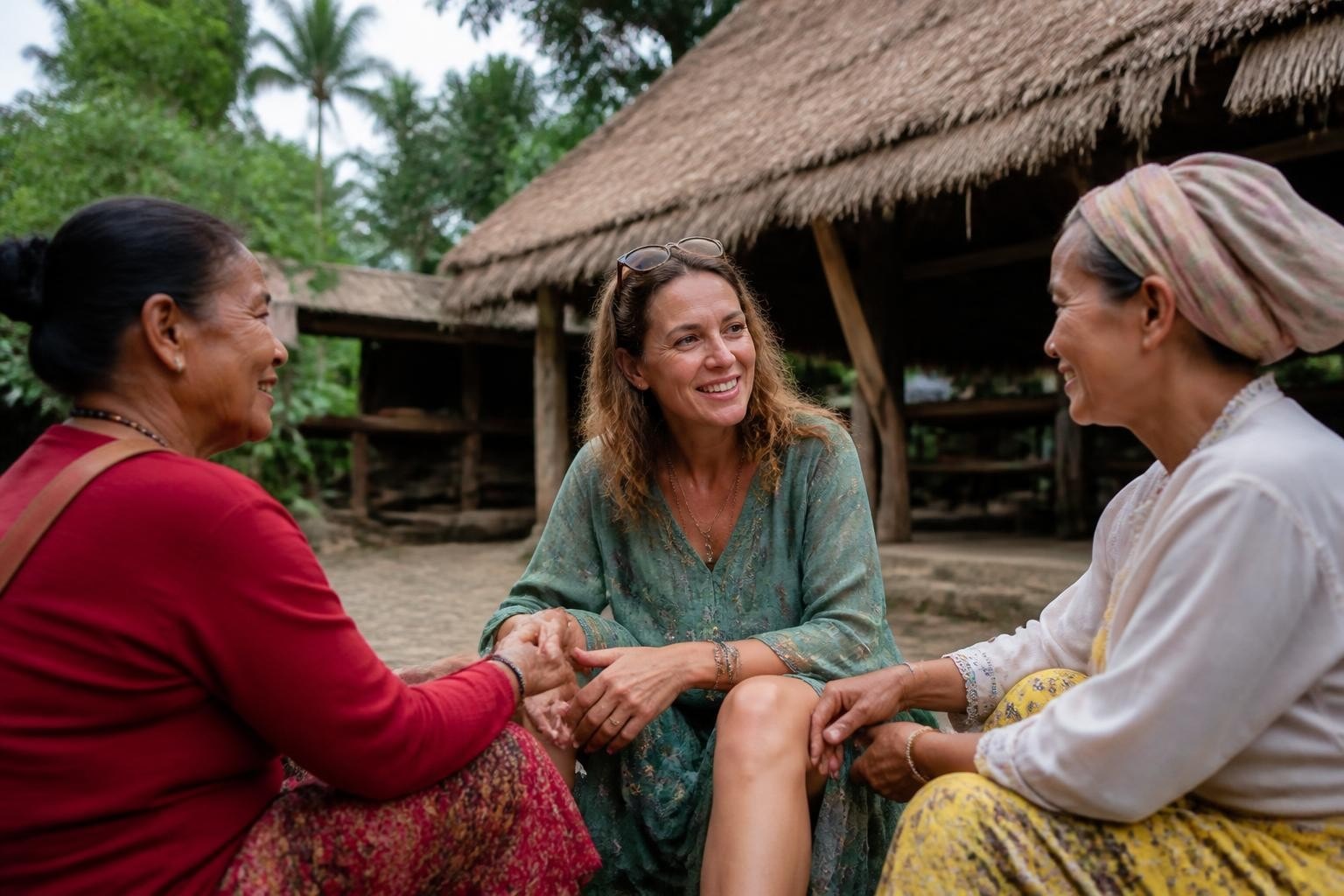
There's a moment every traveller remembers. It's not always the postcard view or the famous monument, though those have their place. It's that instant when you turn down an unfamiliar alleyway and discover something completely unexpected. A craftsman at work. A conversation with a stranger who becomes a friend. The smell of bread baking in a centuries-old oven. These are the moments that transform a trip into a story you'll tell for years. In 2026, travellers are increasingly seeking these authentic encounters, and the tourism industry is responding by crafting journeys that go deeper than surface-level attractions.
The Evolution of What Travellers Really Want
Tourism has undergone a remarkable transformation over the past decade. Where once travellers were content to tick off bucket-list landmarks, today's explorers crave something fundamentally different. They want to feel, to participate, to understand.
Research shows this isn't just anecdotal. Studies on experiential tourism destinations reveal that travellers now prioritize emotional connection, social identity, and authentic engagement with local culture. The shift is profound: unique experiences have moved from nice-to-have bonuses to the very heart of travel decision-making.
The Psychology Behind Memorable Journeys
What makes certain moments stick in our minds whilst others fade like morning mist? The answer lies in how our brains process and store experiences. According to research on memorable customer experiences, the moments that become part of our autobiographical memory share specific characteristics:
- Sensory richness: Engaging multiple senses simultaneously
- Emotional resonance: Creating feelings that connect to our values
- Personal relevance: Allowing us to see ourselves in the story
- Social connection: Involving meaningful interactions with others
- Element of discovery: Offering something genuinely new or surprising
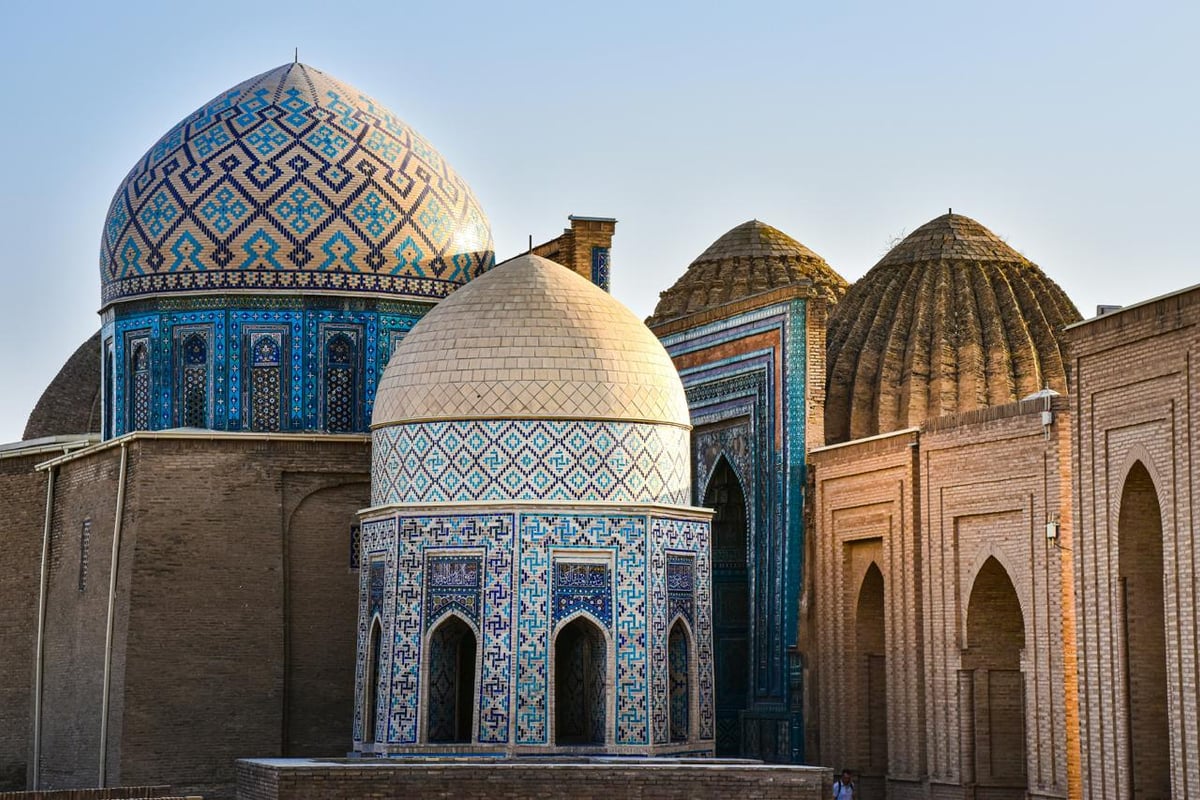
Consider walking through Samarkand's ancient streets. The visual splendour of turquoise domes certainly impresses, but it's the sound of the call to prayer echoing across the Registan, the taste of fresh non bread from a tandoor, the feel of hand-carved wooden doors beneath your fingers, and the warmth of a local guide sharing family stories that transforms sightseeing into something unforgettable.
Crafting Experiences That Matter
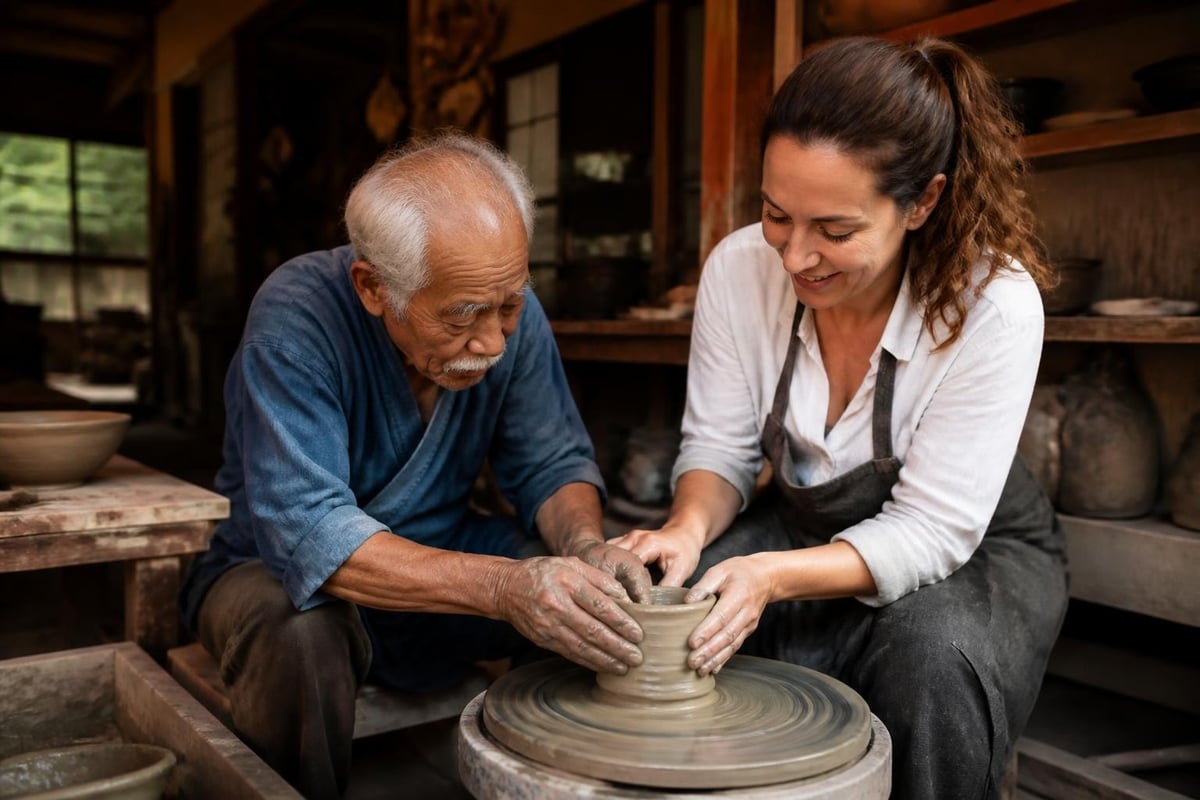
The travel industry has learned that unique experiences cannot be manufactured in the traditional sense. They must be cultivated, nurtured, and facilitated by people who genuinely understand both place and visitor.
The Human Element
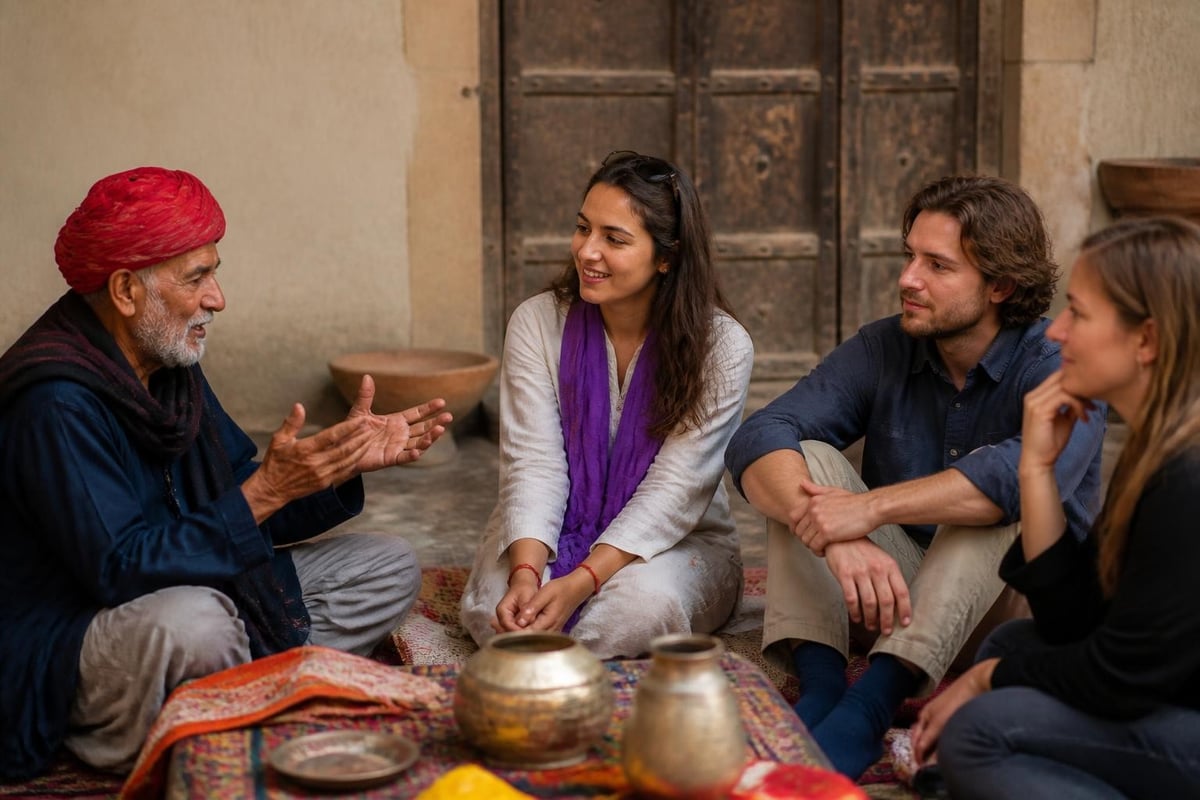
At the core of any memorable journey is human connection. A Delphi study on experiential marketing emphasizes that authentic interactions between hosts and guests create the foundation for experiences that transcend typical tourist transactions. This is why walking tours led by passionate locals often outperform elaborate productions staged for visitors.
When you explore with someone who calls a place home, the city reveals itself differently. Streets become stories. Buildings transform into chapters of family histories. Food represents generations of tradition adapted to modern tastes whilst honouring ancient recipes.
| Traditional Tourism | Experience-Focused Travel |
|---|---|
| Viewing landmarks | Understanding cultural context |
| Following set itineraries | Discovering hidden stories |
| Photography opportunities | Participatory moments |
| Information delivery | Emotional connection |
| Transactional relationship | Personal engagement |
The distinction matters enormously. Visitors increasingly recognize that unique experiences come not from exclusive access or premium pricing, but from genuine encounters that money alone cannot buy.
The Accessibility Revolution
Here's a truth that's reshaping travel in 2026: the most unique experiences needn't be the most expensive. In fact, some of the most transformative moments come from accessible opportunities that prioritize curiosity over luxury.
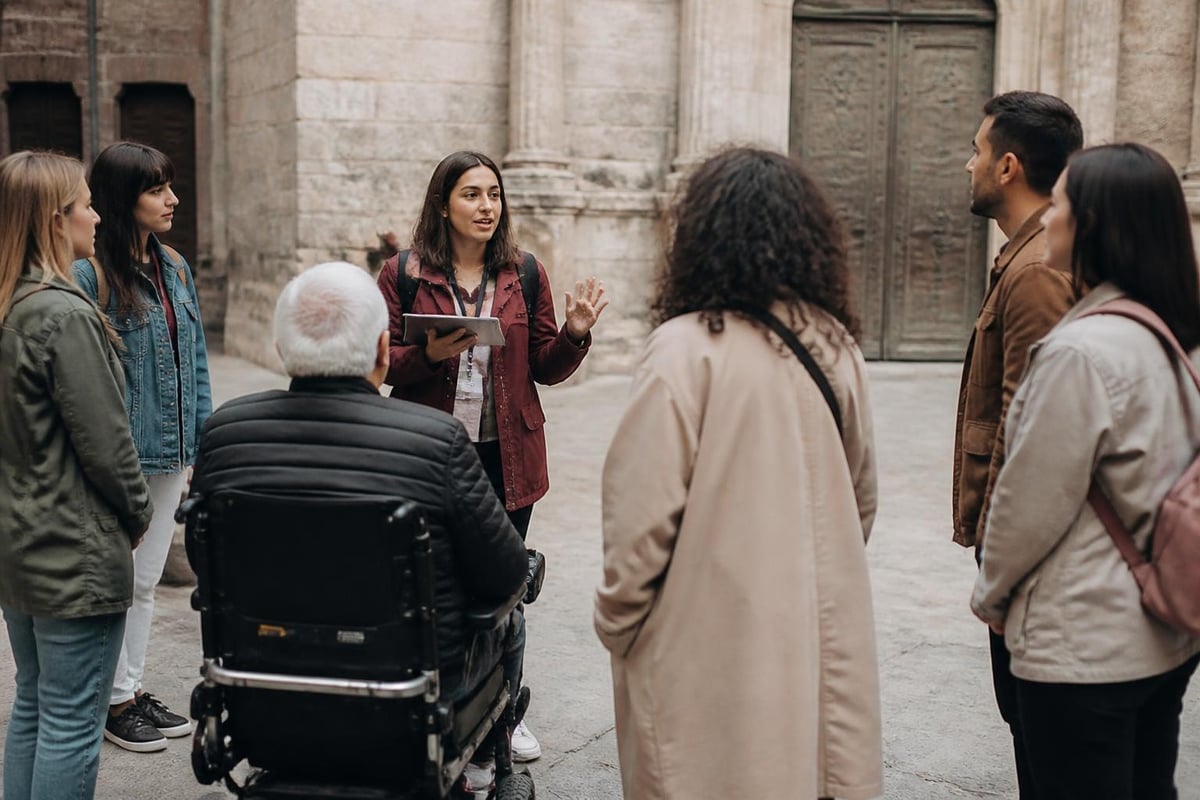
Free walking tours exemplify this beautifully. By removing financial barriers, they open cultural exchange to everyone, creating diverse groups where a student backpacker might walk alongside a retired professor, each bringing their own perspective to shared discoveries.
This democratization of unique experiences aligns with broader tourism trends. The WTM Global Travel Report 2025 highlights growing demand for authentic, value-driven experiences that connect travellers with local communities in meaningful ways.
Breaking Down the Barriers
What prevents people from seeking out unique experiences? The obstacles are often simpler than we think:
- Cost perception: Assuming authentic experiences require significant budgets
- Information gaps: Not knowing where to find genuine cultural encounters
- Language concerns: Worrying about communication barriers
- Time constraints: Believing unique experiences require extensive planning
- Confidence: Hesitation about stepping beyond comfort zones
Each barrier can be addressed through thoughtful design. Guided excursions that welcome everyone, regardless of budget, immediately eliminate the first obstacle. Knowledgeable local guides overcome language and information challenges. And well-structured tours that balance planning with spontaneity help time-conscious travellers relax into discovery.
Stories From the Silk Road
Let me share a story that illustrates the power of unique experiences. Picture Sarah, a teacher from Manchester who visited Samarkand in autumn 2025. She'd seen countless photographs of the Registan's majesty, read guidebooks, watched documentaries. Yet none of that prepared her for the moment she stood in the square at sunrise, listening to her guide explain how the madrasas once buzzed with students from across the Islamic world, debating philosophy and mathematics that would influence European thought centuries later.
What transformed information into experience? The guide shared his grandfather's memories of studying there before the buildings became museums. He explained how his family still uses geometric principles from those ancient lessons in their carpet weaving. Suddenly, Sarah wasn't observing history; she was touching it, understanding it through living continuity.
The Ripple Effect
Unique experiences create stories, and stories create advocates. Sarah returned home and spoke about Samarkand with such enthusiasm that four of her colleagues are now planning their own visits. This word-of-mouth effect represents one of the most powerful outcomes of experiential travel.
The mathematics are compelling:
- A satisfied visitor tells an average of 9-15 people about unique experiences
- Those conversations carry more weight than any advertisement
- Authentic recommendations drive decisions more effectively than marketing campaigns
- Communities benefit economically whilst maintaining cultural integrity
This creates a virtuous cycle where accessible, authentic experiences generate sustainable tourism that supports local communities without overwhelming them.
Designing for Discovery
Creating unique experiences requires intentional design that balances structure with spontaneity, information with wonder, and guidance with freedom.
The Essential Elements
When you break down the most memorable travel experiences, certain patterns emerge consistently:
Local expertise: Guides who share not just facts but personal connections to place create context that transforms information into insight. Their stories become your stories, woven together through shared moments of discovery.
Pacing and rhythm: The best experiences ebb and flow. Moments of intense engagement alternate with quieter reflection. Walking naturally facilitates this rhythm, allowing conversation to develop organically whilst movement provides visual variety.
Hidden gems alongside highlights: Everyone wants to see the famous sites, but unique experiences come from the balance. The grand monuments provide context; the tucked-away workshops and family-run teahouses provide connection.
Participatory elements: Tasting, touching, trying. Whether it's sampling street food, attempting a few words in the local language, or learning the proper way to greet an elder, participation deepens engagement exponentially.
For those ready to explore beyond the obvious, Visit Samarkand demonstrates how free walking tours can weave all these elements together, creating journeys that reveal the city's soul whilst welcoming every traveller, regardless of budget.
The Cultural Exchange Dimension
Unique experiences work both ways. Whilst travellers gain insights into new cultures, local communities benefit from sharing their heritage and seeing their home through fresh eyes.
This reciprocal dynamic transforms tourism from extraction to exchange. A guide sharing family recipes doesn't just educate visitors; the questions visitors ask prompt deeper reflection on traditions, sometimes revitalizing practices that younger generations had begun to overlook.
Building Bridges Through Shared Moments
Consider what happens during a well-facilitated walking tour through historical districts. Visitors learn about architectural styles, historical events, and cultural practices. But local residents also gain appreciation for their heritage through outsiders' genuine interest. Artisans find new markets for traditional crafts. Story-keepers discover eager audiences.
The UN World Tourism Organization recognizes that experiential tourism, when done thoughtfully, contributes to cultural preservation and community development whilst delivering the authentic encounters modern travellers seek.
Brand Experience in the Travel Context
For destinations and tour operators, unique experiences represent more than satisfied customers. They become the brand itself. Academic research on brand experience demonstrates that memorable encounters create emotional bonds stronger than any logo or slogan.
When visitors describe their travels, they don't recall marketing messages. They remember moments:
- The joke their guide told whilst explaining mosque architecture
- The grandmother who invited them for tea in a neighbourhood courtyard
- The unexpected rain shower that led to sheltering in a centuries-old caravanserai
- The sensation of walking paths traders followed for millennia
These memories become inseparable from place. They shape perception, drive recommendations, and create loyalty that brings visitors back, often with friends and family in tow.
The Future of Travel Storytelling
As we move deeper into 2026, the appetite for unique experiences shows no signs of diminishing. If anything, it's accelerating. Travellers increasingly view trips not as escapes from life but as essential chapters in their life stories.
What This Means for Destinations
Places with rich cultural heritage, like Samarkand, possess natural advantages in this landscape. The challenge lies in facilitating access without commodifying authenticity. The solution often involves:
- Training local guides who understand both their culture and visitor psychology
- Creating flexible frameworks that allow spontaneity within structure
- Maintaining sustainable group sizes that enable interaction without overwhelming
- Balancing free and paid offerings to ensure accessibility whilst supporting quality
- Protecting cultural integrity by involving communities in tourism planning
The rewards extend beyond tourism revenue. Communities that successfully share their heritage on their own terms report increased pride, intergenerational knowledge transfer, and social cohesion.
Practical Steps for Seekers
If you're planning travels in 2026 and want to ensure you'll return with stories rather than just photos, consider these approaches:
Start with local experts: Look for guides and tour operators embedded in the community, not international companies parachuting in expertise.
Embrace walking: The pace allows conversation, spontaneity, and sensory engagement impossible from vehicles.
Ask questions: Genuine curiosity opens doors. Most people love sharing their culture with those who show sincere interest.
Try the unfamiliar: Whether food, customs, or routes, unique experiences require stepping slightly beyond comfort zones.
Allow unstructured time: Some of the best moments emerge from wandering, observing, and being present without agenda.
| Experience Type | Unique Factor | Accessibility | Memory Impact |
|---|---|---|---|
| Self-guided sightseeing | Low | High | Moderate |
| Pre-recorded audio tours | Low-Moderate | High | Moderate |
| Group bus tours | Moderate | Moderate | Moderate-High |
| Small group walking tours | High | High | Very High |
| Private guided experiences | Very High | Low | Very High |
The sweet spot often lies in small group walking tours that combine accessibility with the intimacy needed for authentic connection.
The Emotional Economics
Here's something fascinating: unique experiences deliver value that compounds over time. Unlike material purchases that depreciate, experiential memories often grow richer through reflection, retelling, and integration into personal identity.
A souvenir sits on a shelf, gathering dust. A story becomes part of who you are. It influences how you see the world, the connections you make, the empathy you develop for different perspectives.
This emotional ROI explains why travellers increasingly allocate budgets toward experiences rather than things, quality over quantity, depth over breadth. A week spent truly engaging with one place often delivers more lasting value than a whirlwind tour of a dozen cities.
Weaving the Threads Together
The magic of unique experiences lies in their ability to connect us-to places, to people, to aspects of ourselves we hadn't yet discovered. When done well, experiential travel satisfies deep human needs: curiosity, belonging, growth, and meaning.
The most successful experiences share common threads. They're facilitated by people who care deeply about both place and visitors. They balance education with emotion, structure with spontaneity, the famous with the hidden. They make space for genuine interaction and unexpected moments. And crucially, they remain accessible to diverse travellers, recognizing that meaningful experiences shouldn't be luxury goods.
Whether you're walking through Samarkand's ancient streets, exploring markets where traders have bargained for centuries, or simply sharing tea and conversation with someone whose life differs vastly from your own, unique experiences remind us that travel, at its best, is about connection. The monuments provide the stage, but the people-guides, artisans, shopkeepers, fellow travellers-create the story.
The pursuit of unique experiences represents travel at its most human and transformative, turning sightseeing into genuine connection and tourist activities into memories that shape who we become. If you're ready to discover Samarkand beyond the guidebook, Visit Samarkand offers free walking tours that reveal the city's hidden stories and cultural treasures through the eyes of passionate local guides who bring centuries of history to life.