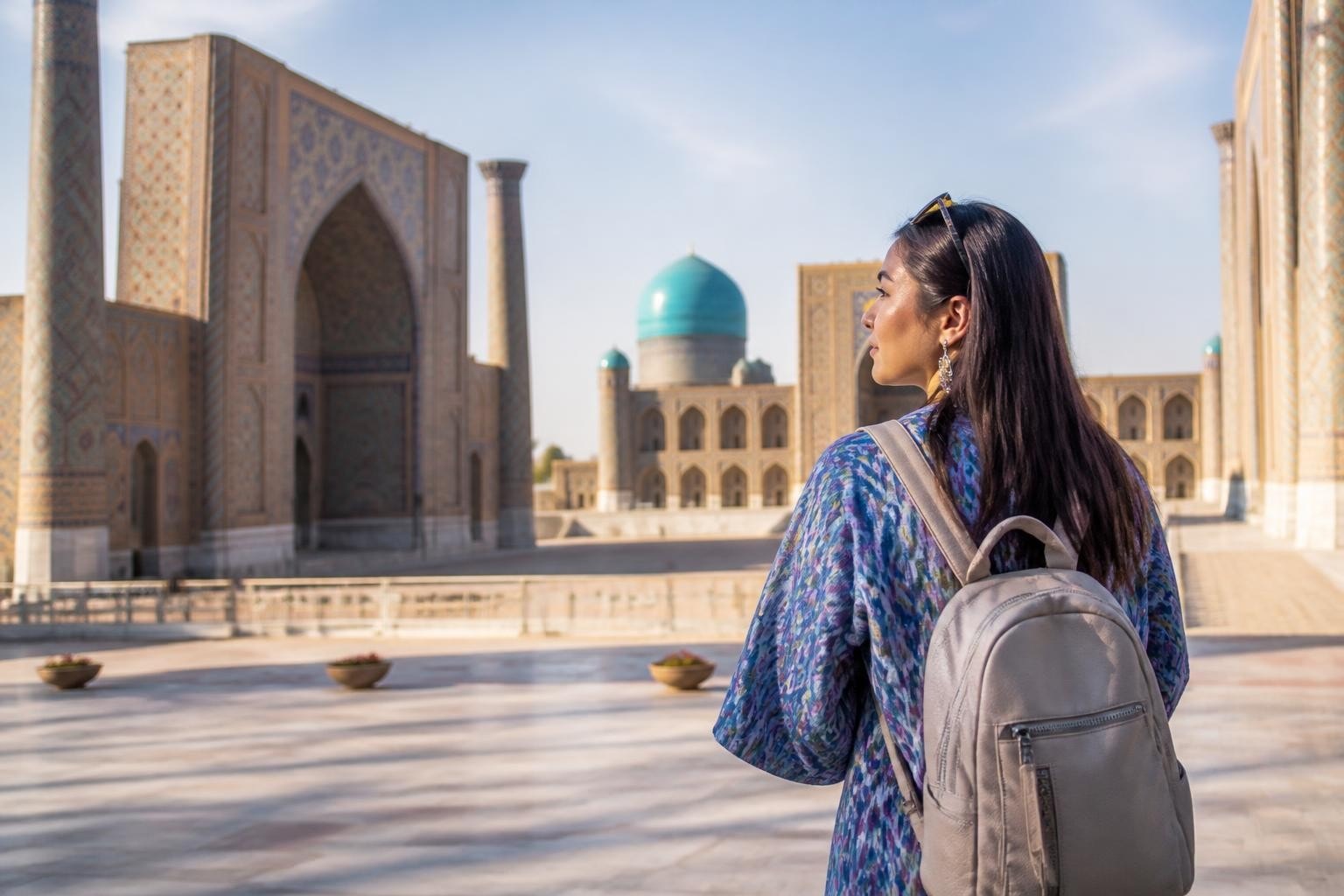
The sun rises over Registan Square, casting golden light across three madrasahs adorned with turquoise tiles that have witnessed centuries of merchants, scholars, and travellers. This scene, once accessible only to the most intrepid explorers, now welcomes visitors from across the globe as Uzbekistan emerges as one of Central Asia's most compelling destinations. The transformation of Uzbek tourism over the past decade reads like a fairytale, where ancient cities have awakened from their Soviet-era slumber to reclaim their place on the world stage.
The Renaissance of Central Asia's Cultural Crown
Uzbek tourism has experienced nothing short of a renaissance since 2026's progressive reforms took hold. The country that once required labyrinthine visa applications now welcomes citizens from over 90 nations visa-free, a policy shift that has fundamentally altered accessibility to its treasures. This isn't merely bureaucratic convenience; it represents a philosophical transformation in how Uzbekistan views its role as a cultural custodian and global destination.
The numbers tell a compelling story. According to official government statistics, international arrivals have surged beyond projections, with visitors drawn not just to headline attractions but to the authentic experiences threaded throughout the nation's cities and countryside. What makes this growth remarkable isn't volume alone, but the diversity of travellers now discovering Uzbek tourism: solo backpackers, luxury seekers, cultural enthusiasts, and families all finding their niche within this multifaceted destination.
Why Now? The Perfect Storm for Discovery
Several converging factors have positioned Uzbek tourism at a tipping point. Enhanced air connectivity has shrunk the perceived distance between Uzbekistan and major source markets. The expansion of regional flight routes means travellers from Europe, Asia, and beyond now reach Tashkent with fewer connections and competitive fares.
Beyond logistics, there's a growing appetite for authentic cultural experiences over manufactured tourist spectacles. Uzbekistan delivers authenticity in abundance:
- Architectural marvels that predate many European landmarks
- Living craft traditions passed through generations of master artisans
- Culinary heritage reflecting centuries of Silk Road cultural exchange
- Homestay opportunities in traditional mahallas (neighbourhoods)
- Accessible prices that make extended travel feasible for diverse budgets
Samarkand: The Jewel That Anchors Uzbek Tourism
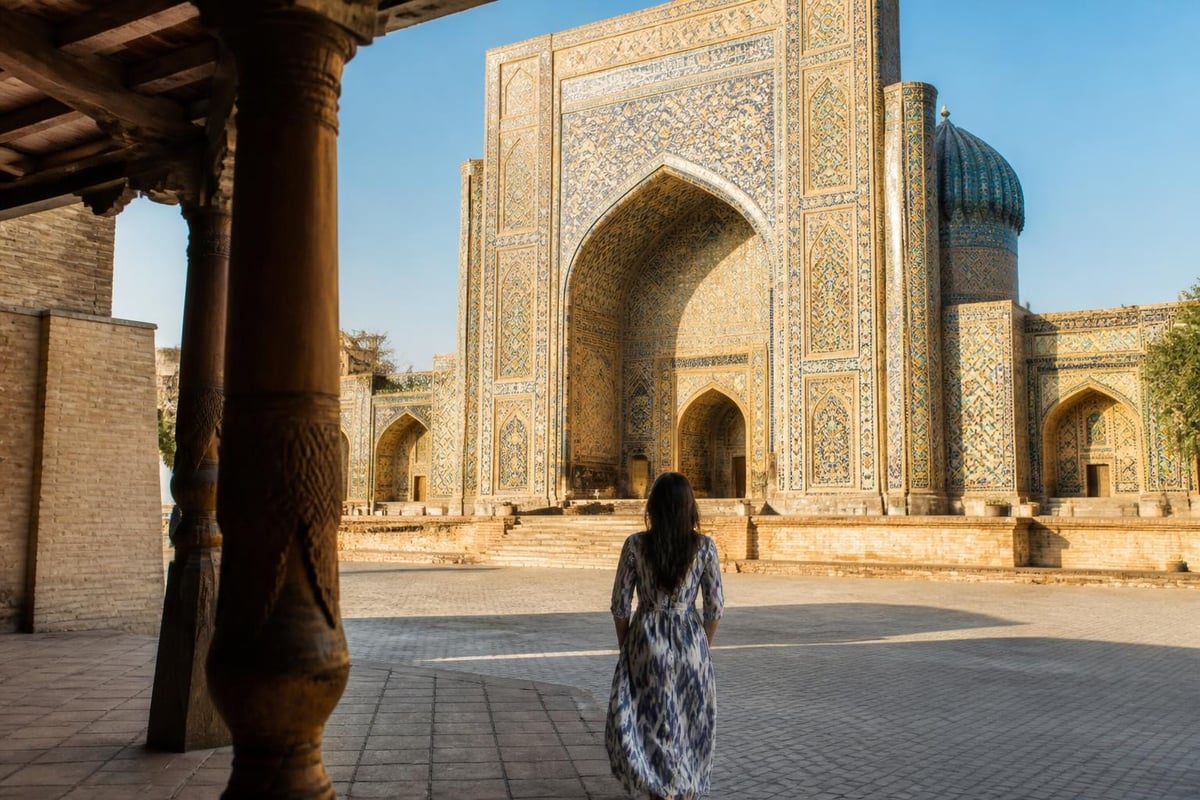
If Uzbekistan is Central Asia's crown, Samarkand is its most radiant jewel. This city of approximately 550,000 souls punches far above its weight in global cultural significance. Walking its streets feels like moving through a living museum where history hasn't been cordoned off behind velvet ropes but remains woven into daily life.
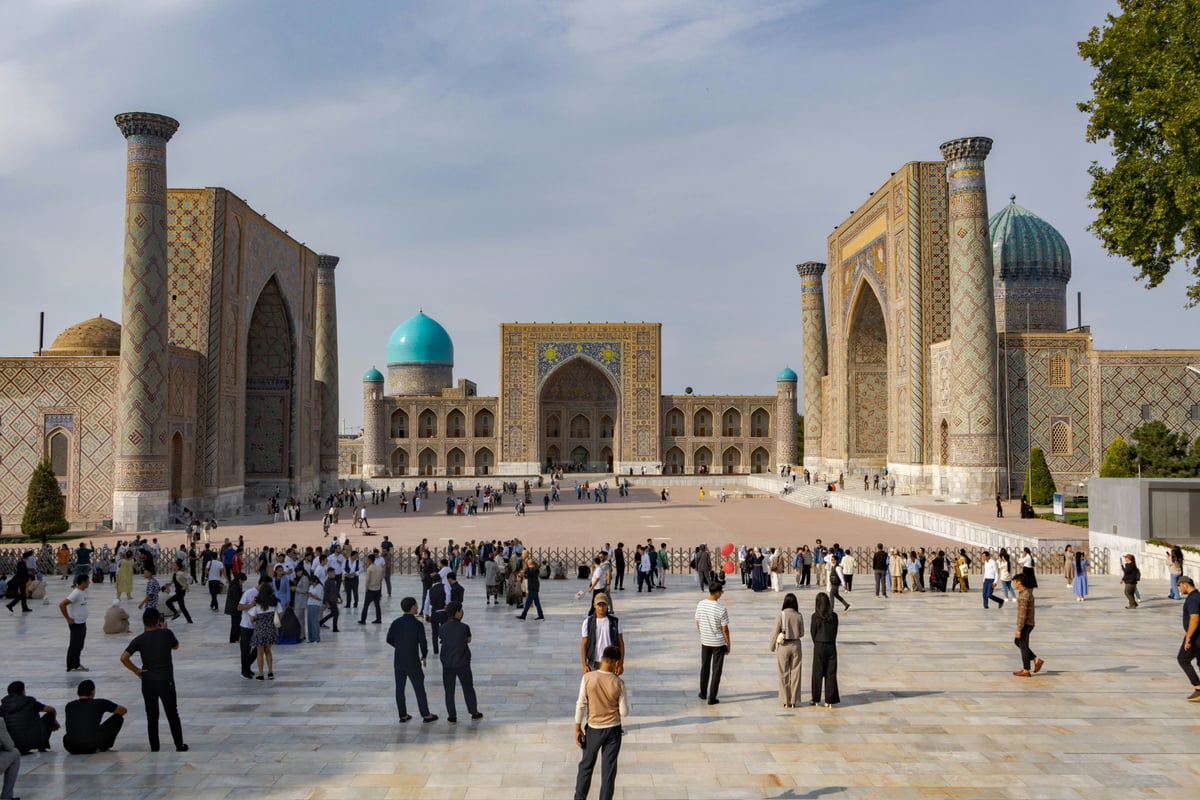
The Registan, Samarkand's beating heart, comprises three madrasahs that frame a public square with architectural symmetry that still astounds modern engineers. But reducing Samarkand to its monuments misses the point entirely. The city's true magic emerges in the interplay between ancient and contemporary, between preserved heritage and evolving urban life.
For those seeking to understand this balance, free walking tours in Samarkand offer an accessible introduction. These excursions, supported by initiatives like the Silk Road Travel Academy, democratise cultural exploration by removing cost barriers whilst maintaining quality guidance. Participants discover not just the headline attractions but the hidden courtyards, neighbourhood workshops, and local perspectives that transform sightseeing into genuine cultural exchange.
| Samarkand Highlights | Significance | Best Time to Visit |
|---|---|---|
| Registan Square | Architectural masterpiece, UNESCO site | Early morning or sunset |
| Shah-i-Zinda | Sacred necropolis with stunning tilework | Spring or autumn |
| Bibi-Khanym Mosque | Historical Friday Mosque, once world's largest | Any season |
| Siab Bazaar | Authentic local market experience | Morning hours |
| Ulugh Beg Observatory | 15th-century astronomical achievement | Year-round |
Beyond the Monuments: Samarkand's Living Culture
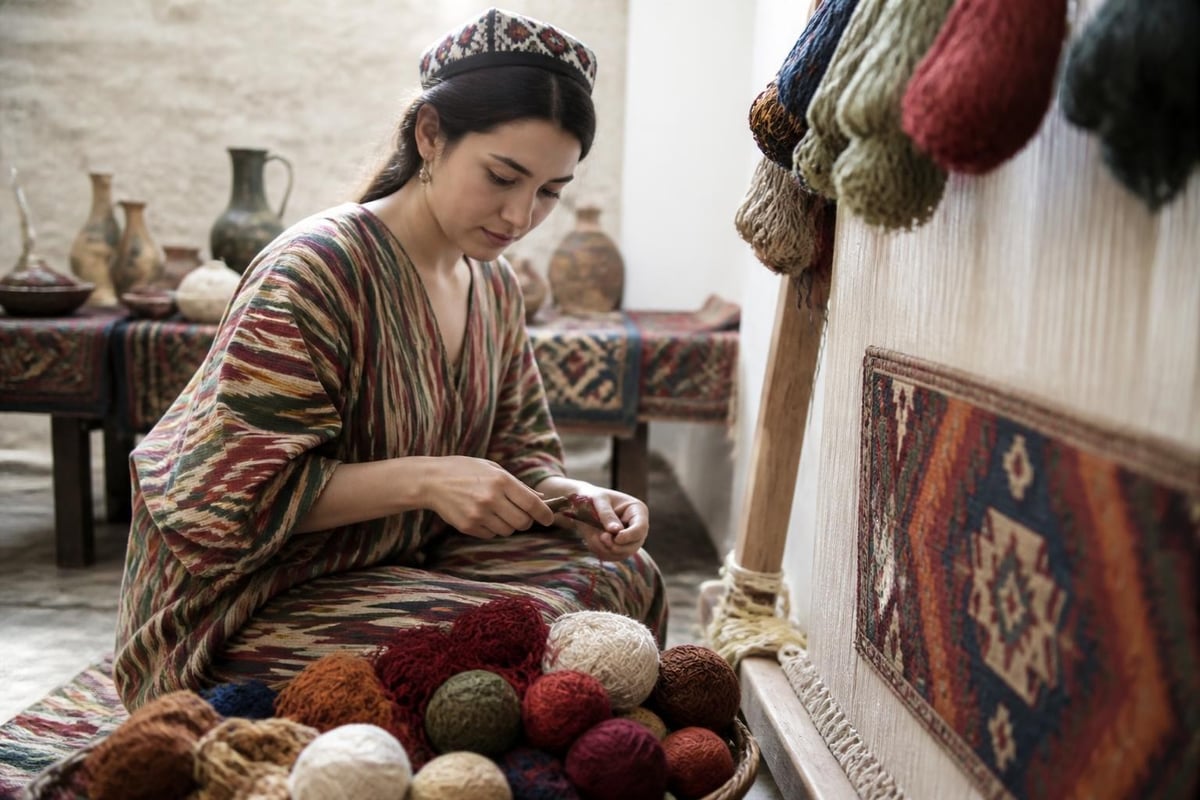
The evolution of Uzbek tourism has meant visitors now access layers of experience previously unavailable. In Samarkand's traditional mahallas, families open their homes for authentic plov (rice pilaf) meals prepared in centuries-old traditions. Master craftsmen in paper-making workshops demonstrate techniques unchanged since the 8th century when Samarkand became Central Asia's papermaking hub.
These experiences represent sustainable tourism at its finest. Income flows directly to local families and artisans. Cultural traditions find economic viability, ensuring their transmission to younger generations. Visitors leave with understanding rather than just photographs.
The Bukhara Experience: Where Time Moves Differently
Two hundred and seventy kilometres west of Samarkand, Bukhara offers a counterpoint to its larger neighbour. This city's appeal lies in its remarkably preserved historic core, where over 140 protected monuments cluster within walking distance. The UNESCO designation recognises Bukhara’s importance as a medieval Islamic centre whose intellectual and architectural heritage shaped the broader region.
Uzbek tourism in Bukhara feels more intimate than in Samarkand. Smaller scale doesn't mean lesser significance. The Ark Fortress, inhabited continuously from the 5th century until 1920, tells stories of khans and kingdoms. The Kalyan Minaret, spared by Genghis Khan himself according to legend, has called Muslims to prayer for nearly nine centuries.
What distinguishes Bukhara in the Uzbek tourism landscape is its afternoon rhythm. As heat settles over the city, life retreats to shaded tea houses surrounding ancient ponds. Here, locals and travellers alike recline on traditional platforms, sipping green tea and sharing stories. Time, that most precious travel commodity, expands in these moments.
Khiva: The Open-Air Museum City
The third pillar of Uzbek tourism's "golden triangle" presents a different proposition entirely. Khiva's Itchan Kala, the walled inner city, exists as a near-complete medieval Central Asian town frozen in the 19th century. Walking through its Ota Darvoza gate transports visitors into a cityscape of mud-brick walls, turquoise domes, and intricately carved wooden pillars.
Some critics argue Khiva has become overly polished, its historical authenticity sacrificed to tourism convenience. Yet this misses how carefully Uzbekistan has approached heritage management. The World Bank’s analysis of tourism development highlights how preservation efforts balance conservation with accessibility, ensuring sites remain available to future generations whilst serving present educational and economic needs.
Practical Considerations for Uzbek Tourism Success
Smart Uzbek tourism planning transforms good trips into extraordinary ones. Consider these tested approaches:
Timing matters significantly. Spring (April-May) and autumn (September-October) offer ideal conditions: comfortable temperatures, clear skies, and manageable crowds. Summer heat in cities like Bukhara can exceed 40°C, whilst winter brings cold but crystalline light perfect for photography.
Transport flexibility pays dividends. High-speed rail between Tashkent, Samarkand, and Bukhara combines efficiency with comfort. Shared taxis offer flexibility and local interaction. Domestic flights serve longer distances economically.
Language preparation eases navigation. Outside major tourist zones, English remains limited. Learning basic Russian or Uzbek phrases, or downloading translation apps, demonstrates respect and facilitates genuine connection.
Currency and payment realities. While card acceptance has improved, cash remains king outside major establishments. ATMs in cities work reliably, but smaller towns require planning. The sum has stabilised considerably, making budgeting straightforward.
The Government's Vision for Sustainable Growth
The national tourism strategy articulates ambitious yet grounded goals for Uzbek tourism development through 2030. Key targets include doubling international arrivals, expanding tourism's GDP contribution, and developing infrastructure without compromising cultural integrity. These aren't empty promises but backed by measurable investments in restoration, training, and sustainable development frameworks.
This governmental commitment filters down to ground-level experiences. The visa liberalisation programme exemplifies how policy creates access. The e-visa system, covering nations not already visa-exempt, processes applications within three business days, removing traditional barriers that once deterred spontaneous travel to Central Asia.
Infrastructure development proceeds thoughtfully rather than recklessly. New hotels blend contemporary comfort with architectural sensitivity. Restaurant scenes in major cities now offer diverse options whilst traditional teahouses and osh markaz (plov centres) remain cultural institutions. This balance prevents the homogenisation that has diluted other destinations.
Beyond the Cities: Uzbekistan's Hidden Dimensions
Mature Uzbek tourism extends beyond the golden triangle. The Fergana Valley, Central Asia's most densely populated region, offers silk production heritage and mountain-backed vistas. Nukus, distant in western Karakalpakstan, houses the Savitsky Museum's astonishing collection of Russian avant-garde art, one of the world's most important yet least-known museums.
The Aral Sea disaster, whilst environmentally catastrophic, has paradoxically become a dark tourism site where visitors confront climate change consequences viscerally. The rusted ship graveyard in Moynaq serves as a sobering monument to environmental mismanagement and a call to sustainable practices.
Active tourism is emerging too. The Nuratau Mountains offer trekking through juniper forests and village homestays. The Chimgan Mountains near Tashkent provide skiing in winter and hiking in summer. These experiences diversify Uzbek tourism beyond cultural heritage, appealing to adventure seekers and nature enthusiasts.
Culinary Tourism: Tasting Uzbekistan's Soul
No exploration of Uzbek tourism completes without addressing its extraordinary culinary dimension. Food here isn't mere sustenance but cultural expression, social glue, and art form. Plov, the national dish, varies by region: Tashkent's version differs from Samarkand's, which differs from Fergana's. Each recipe carries generational wisdom and regional pride.
The food culture extends beyond restaurants. In bazaars like Samarkand's Siab or Tashkent's Chorsu, towers of bread, mountains of melons, and rainbow arrays of spices create sensory overload. Vendors offer samples freely, conversations flow, and the market becomes theatre.
Bread holds sacred status. The traditional non, baked in tandyr ovens, appears at every meal. Watching a non-master shape dough, stamp patterns with a chekich tool, and expertly slap loaves onto oven walls demonstrates craft elevated to ritual. Some families maintain breads from specific bakers, loyalty spanning generations.
| Uzbek Culinary Essentials | Description | Where to Try |
|---|---|---|
| Plov | Rice pilaf with meat, carrots, onions | Osh Markaz centres |
| Shashlik | Grilled meat skewers | Street vendors, restaurants |
| Lagman | Hand-pulled noodles with vegetables | Uyghur restaurants |
| Samsa | Baked pastries with meat or pumpkin | Bakeries, markets |
| Non | Traditional flatbread | Fresh from tandyr ovens |
| Mastava | Rice and vegetable soup | Home cooking, cafés |
Accommodation: From Boutique Hotels to Family Homestays
Uzbek tourism's accommodation spectrum now rivals established destinations. International chains have entered major cities, yet the most memorable stays often occur in boutique properties occupying restored historic buildings. These establishments marry modern amenities with architectural heritage, placing guests within rather than adjacent to cultural contexts.
Budget travellers find welcoming hostels where social spaces facilitate connection. Mid-range hotels deliver reliable comfort and breakfast spreads featuring fresh fruit, pastries, and local specialities. For those seeking elevated experiences, properties like minor palace conversions offer luxury without sacrificing authenticity.
Homestays present the most culturally immersive option. Families in Samarkand, Bukhara, and smaller towns welcome guests into their homes, sharing meals, stories, and daily rhythms. These arrangements require flexibility and cultural sensitivity but reward participants with insights no guidebook captures. Evening conversations over tea, participation in meal preparation, and witnessing family life create memories that transcend conventional tourism.
Interestingly, just as Uzbek tourism develops its accommodation diversity, other destinations recognise this model's value. International travellers might appreciate knowing that similar philosophies of blending comfort with cultural authenticity drive properties like Swissôtel Living Jakarta Mega Kuningan, where serviced apartments provide home-like spaces with hotel services, demonstrating how this approach resonates globally.
Responsible Travel in Uzbekistan's Context
As Uzbek tourism grows, responsibility becomes increasingly critical. Visitor behaviour directly impacts communities and sites. Simple practices make substantial differences:
Dress respectfully, particularly at religious sites. Modest clothing signals cultural awareness and facilitates access to spaces that might otherwise feel unwelcoming.
Support local economies directly. Purchase crafts from artisans rather than resellers. Eat at family-run establishments. Hire local guides whose knowledge enriches experiences whilst supporting livelihoods.
Seek permission before photographing people, especially women and older generations. Candid shots may capture authentic moments but can violate personal boundaries and cultural norms.
Minimise environmental impact. Water scarcity affects Central Asia. Shorter showers, reusing towels, and carrying reusable water bottles demonstrate awareness. Plastic pollution increasingly threatens even remote areas.
Learn and respect cultural contexts. Understanding why certain behaviours matter prevents unintentional offence and deepens appreciation for customs encountered.
The Future Landscape of Uzbek Tourism
Looking forward, Uzbek tourism stands at a fascinating juncture. Momentum builds whilst infrastructure expands and international awareness grows. Yet success brings challenges: maintaining authenticity as visitor numbers increase, ensuring tourism benefits distribute equitably, balancing preservation with access, and developing sustainably rather than extractively.
The government's measured approach offers hope. Unlike destinations that sacrificed character for quick tourism revenue, Uzbekistan appears committed to long-term cultural and economic sustainability. Investments in education, craft preservation, and heritage management suggest understanding that Uzbek tourism's greatest asset isn't monuments alone but the living culture surrounding them.
Emerging trends point toward diversification. Adventure tourism in mountain regions, wellness tourism incorporating traditional practices, educational tourism focused on Islamic architecture and astronomy, and culinary tourism centred on regional specialities all show potential. This diversification spreads benefits beyond gateway cities whilst offering travellers deeper engagement with specific interests.
Technology integration proceeds thoughtfully. Digital guides supplement rather than replace human interactions. Virtual reality experiences might preview sites but shouldn't substitute physical visits. Social media awareness grows amongst tourism stakeholders, who recognise both promotional potential and the need to manage visitor expectations honestly.
Practical Resources for Journey Planning
Several authoritative resources support informed Uzbek tourism planning. Official government portals provide current visa requirements, safety advisories, and regional information. International organisations' analyses offer context on development initiatives and cultural significance. Local tour operators, particularly those emphasising sustainable and culturally sensitive approaches, convert planning into actionable itineraries.
For those particularly drawn to Samarkand's offerings, exploring both free and paid tour options allows customisation based on time, budget, and interests. The city's walkability means independent exploration remains viable, though guided experiences add contextual layers that transform sightseeing into understanding.
Connecting with fellow travellers before arrival, through forums or social media groups focused on Central Asian travel, provides current insights that guidebooks cannot match. Road conditions change, restaurants open and close, visa policies evolve. Community knowledge fills these gaps whilst potentially creating companionship for shared experiences.
The Human Element: Stories That Define Uzbek Tourism
Behind every statistic about Uzbek tourism growth lies human stories. The ceramicist in Gijduvan who learned his craft from his father, who learned from his father, maintaining patterns and techniques spanning centuries. The family in a Bukhara mahalla who converted part of their home into guesthouse rooms, using income to fund their children's education. The young woman training as a licensed guide, mastering English, Russian, and Uzbek to share her homeland's story with diverse audiences.
These individuals don't just serve tourism; they shape it through their choices, expertise, and generosity. Their commitment to quality, authenticity, and visitor satisfaction determines whether Uzbek tourism fulfils its potential or becomes another cautionary tale of development undermining what made a destination special initially.
Travellers who approach Uzbekistan with curiosity rather than mere checklist mentality find themselves drawn into these human connections. The bazaar vendor who insists on sharing tea before discussing purchases. The mosque caretaker who unlocks a lesser-known section to show visitors extraordinary tilework. The taxi driver who detours to show his favourite sunset viewpoint. These moments, unscripted and generous, transform trips into journeys.
Just as meaningful connections enhance travel experiences, having trusted partners matters in all of life's journeys. Whether navigating unfamiliar destinations or complex processes like immigration, quality guidance makes all the difference. For instance, those managing Singapore-related matters might find reassurance in specialists like Kenneth & Co, who help clients navigate immigration complexities, just as cultural guides help travellers navigate Uzbekistan's wonders. The principle remains constant: expertise and personal attention transform challenges into manageable steps.
Cultural Etiquette: The Keys to Meaningful Exchange
Understanding cultural etiquette unlocks deeper Uzbek tourism experiences. Hospitality holds sacred status in Central Asian culture. Invitations to homes or shared meals carry weight; declining without good reason can give offence. Yet accepting creates obligations: guests should bring small gifts, remove shoes at entrances, and show appropriate gratitude.
Tea culture follows specific protocols. The host pours tea into a small cup, empties it back into the pot, and repeats several times before serving. This ritual purifies the tea and demonstrates care. Guests should accept tea with the right hand, placing the left over the heart as thanks. Refusing tea risks insulting your host's hospitality.
Elders command respect through address and deference. Standing when they enter rooms, offering seats on transport, and listening attentively to their stories demonstrates proper behaviour. This respect extends to religious sites and practices. Even non-Muslims should observe modest dress and quiet behaviour at mosques and mausoleums.
Bargaining in bazaars follows unspoken rules. Initial prices often sit high, but negotiation should remain friendly and respectful. Aggressive tactics or insultingly low offers damage rapport. Walking away politely often brings vendors to reasonable prices, but if they don't follow, the price has likely reached bottom. That small pleasure many find in their daily lives, perhaps a quality cup of tea enjoyed slowly, reflects values worth respecting. For those who appreciate tea culture as deeply as Central Asians do, exploring speciality options from sources like Tealyra might resonate with this appreciation for quality and ritual.
Uzbek tourism offers something increasingly rare: authentic cultural encounters in settings of extraordinary beauty, accessible through progressive policies and growing infrastructure yet retaining the character that makes destinations memorable. From Samarkand's architectural marvels to Bukhara's meditative pace, from Khiva's preserved cityscape to the Fergana Valley's living traditions, this nation rewards curious travellers with experiences that challenge assumptions and create lasting memories. Whether you're drawn to history, architecture, culinary adventures, or simply the joy of discovering places before mass tourism reshapes them, Uzbekistan delivers. Visit Samarkand provides an ideal starting point for these discoveries, offering free walking tours that unlock the city's layers whilst connecting you with local perspectives and hidden corners that independent exploration might miss.