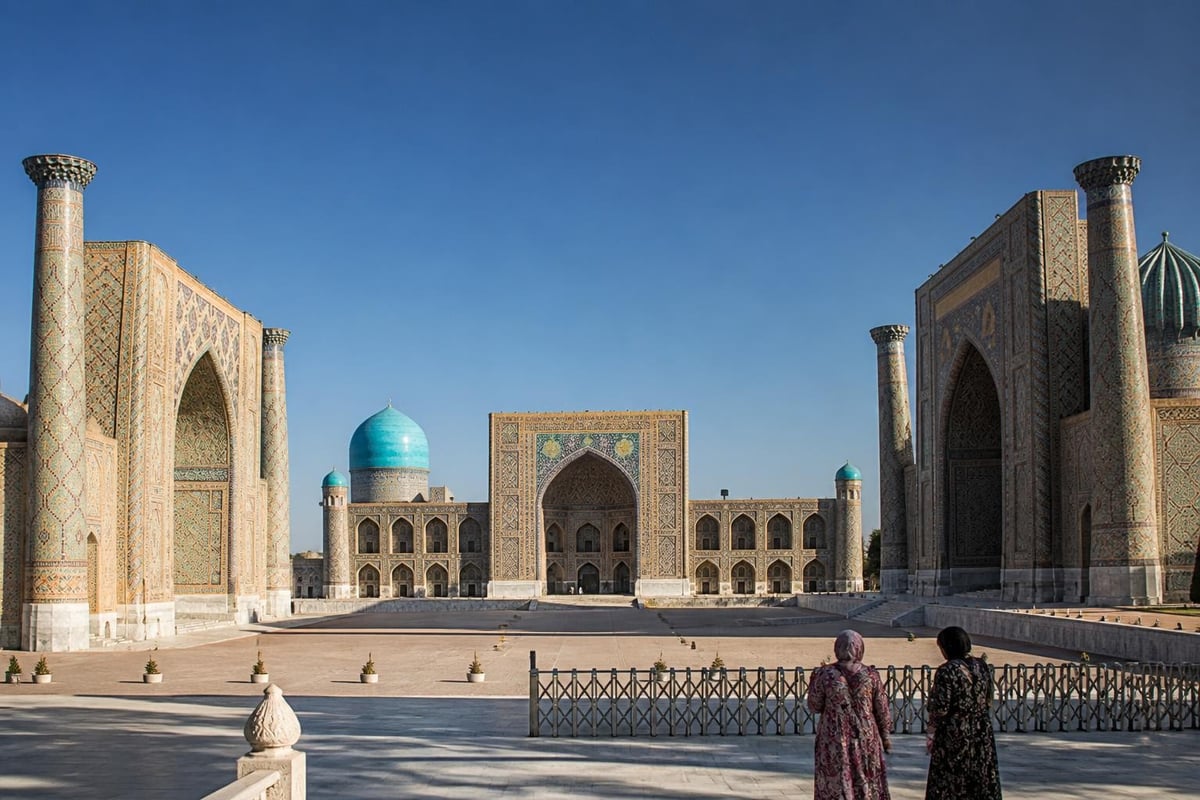
Standing in the middle of Registan Square for the first time feels like stepping through a portal into another era. The afternoon sun catches the turquoise tiles of three towering madrassahs, and you realize that some places on Earth don't just whisper their stories-they shout them across centuries. Uzbekistan's attractions aren't merely historical sites; they're living narratives of empires, traders, scholars, and artisans who shaped civilization along the Silk Road. This Central Asian nation, once the crossroads of East and West, offers travellers an extraordinary collection of architectural masterpieces, vibrant bazaars, and cultural experiences that feel wonderfully untouched by mass tourism.
The Crown Jewels of the Silk Road
Samarkand: Where Empires Left Their Mark
Samarkand stands as perhaps the most magnificent of all uzbekistan attractions, a city that has captivated conquerors and poets alike for over 2,750 years. Timur (Tamerlane) transformed this ancient settlement into the capital of his vast empire in the 14th century, commissioning buildings that still take your breath away today.
The Registan, meaning "sandy place" in Persian, served as the city's main square and public space for centuries. Today, its three madrassahs create a symmetrical embrace that's become Uzbekistan's most recognizable image:
- Ulugh Beg Madrassah (1417-1420): Built by Timur's grandson, an astronomer-king who valued knowledge above conquest
- Sher-Dor Madrassah (1619-1636): Famous for its controversial lion motifs that challenged Islamic artistic conventions
- Tilya-Kori Madrassah (1646-1660): "Gold-covered" in translation, with interiors that justify the name spectacularly
Walking through these structures as golden hour approaches, you'll understand why the BBC called Samarkand a «glittering new Silk Road jewel» in its coverage of Central Asia's tourism renaissance.
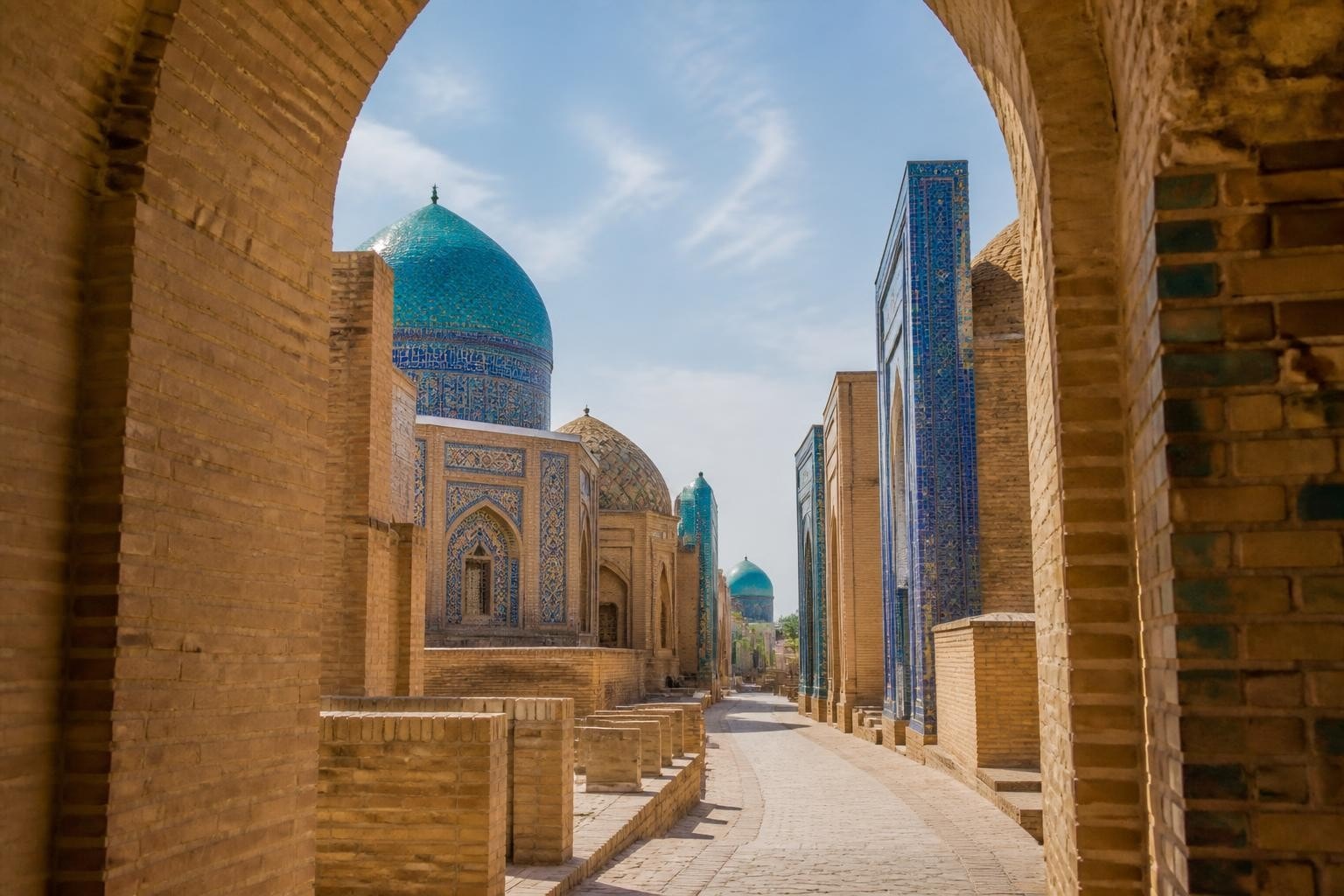
Just northeast of the Registan, the Shah-i-Zinda necropolis climbs a hillside like a stairway to heaven itself. This avenue of mausoleums, dating from the 11th to 19th centuries, showcases some of the finest ceramic tilework anywhere in the Islamic world. Each tomb tells a story-of Timur's relatives, military commanders, and religious figures-through patterns and colours that seem to shift with the changing light.
Bukhara: The Museum City That Never Sleeps
If Samarkand impresses with grandeur, Bukhara enchants with intimacy. This city feels less like a collection of monuments and more like a complete medieval town that decided to keep living its traditional life despite the passage of centuries. The historic centre, protected as a UNESCO World Heritage site, contains over 140 architectural monuments within walking distance of each other.
The Ark Fortress has anchored Bukhara for over 1,500 years, serving as the residence of Bukharan emirs until 1920. Standing on its ramparts, you can see how the city spreads out in layers of history:
| Era | Notable Structures | Architectural Features |
|---|---|---|
| 9th-10th Century | Samanid Mausoleum | Precision brickwork, pre-Mongol design |
| 12th Century | Kalyan Minaret | 47-metre tower that survived Genghis Khan |
| 16th Century | Mir-i-Arab Madrassah | Working theological school with stunning courtyards |
| 19th Century | Summer Palace (Sitorai Mokhi-Khosa) | Fusion of Russian and traditional styles |
The Lyabi-Hauz plaza exemplifies why Bukhara feels so liveable. This square, built around a central pool in 1620, remains the social heart of the old town. Locals and visitors alike gather in the shade of ancient mulberry trees, sipping tea and watching the world go by-just as people have done for four centuries.
Beyond the Famous Trio
Khiva: The Open-Air Museum
Entering Khiva's walled inner city, Itchan Kala, feels like walking onto a film set, except everything here is gloriously, authentically real. This compact fortress city, smaller than Samarkand or Bukhara, offers a concentrated dose of Central Asian architecture. The advantage? You can explore the entire historic centre in a day, yet find yourself returning to favourite corners repeatedly.
The Kalta Minor minaret stands as Khiva's quirky landmark-a stumpy tower covered in brilliant turquoise tiles that was meant to be Central Asia's tallest before its patron khan died and construction stopped. Among uzbekistan attractions, it perfectly captures the ambition and fragility of these desert kingdoms.
Tashkent: Where Past Meets Present
Many visitors rush through Uzbekistan's capital without realizing it harbours treasures of its own. The 1966 earthquake destroyed much of the old city, but what survived or has been rebuilt offers fascinating contrasts. The Khast-Imam Complex houses one of Islam's oldest Qurans, while the Soviet-era Tashkent Metro stations rival Moscow's for architectural beauty-each one a themed underground palace.
The Chorsu Bazaar, crowned by a massive turquoise dome, pulses with the energy of a thousand years of commerce. Here, the reality of contemporary Uzbek life unfolds among pyramids of spices, mountains of fresh bread (non), and vendors whose families have traded in this spot for generations.
Natural Wonders Beyond the Cities
The Fergana Valley
While urban uzbekistan attractions dominate tourist itineraries, the Fergana Valley reveals a different facet of the country's appeal. This fertile depression, surrounded by mountains and historically accessible only through narrow passes, developed its own distinctive crafts and culture. The valley produces Uzbekistan's finest silk, ceramics, and wood carvings.
Margilan's Yodgorlik Silk Factory demonstrates traditional silk-weaving techniques using methods barely changed since Silk Road caravans carried precious fabric westward. Watching craftspeople transform cocoons into shimmering cloth connects you directly to the trade routes that made these cities wealthy.
Mountain Escapes
The Chimgan Mountains and Charvak Reservoir, just two hours from Tashkent, offer hiking, skiing, and respite from summer heat. Further east, the Nuratau Mountains harbour petroglyph sites and opportunities to experience rural Uzbek hospitality through community-based tourism projects. These natural uzbekistan attractions appeal to travellers seeking active adventures beyond architectural tours.
Living Culture and Contemporary Attractions
Crafts and Workshops
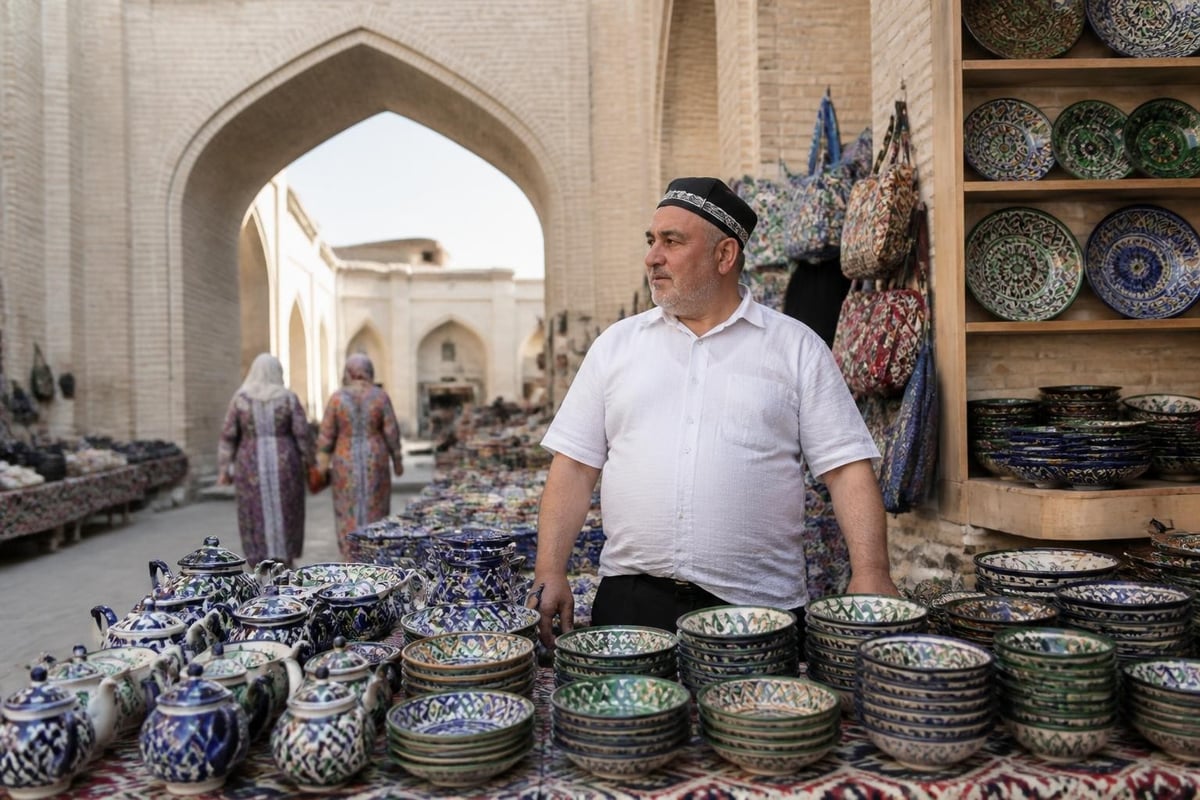
Understanding uzbekistan attractions means appreciating living traditions alongside historical monuments. Master craftspeople throughout the country welcome visitors to their workshops:
- Ceramics studios in Gijduvan and Rishtan, where families have refined distinctive glazing techniques across generations
- Miniature painting ateliers in Bukhara and Samarkand, keeping alive the Persian art of detailed manuscript illustration
- Knife-making workshops in Chust, producing the region's famous pichak knives with bone and horn handles
- Suzani embroidery collectives, where women create elaborate silk-thread textiles following patterns passed from mothers to daughters
Visiting these workshops transforms abstract appreciation into genuine understanding. When you watch a master ceramicist shape clay on a foot-powered wheel or see an embroiderer navigate thousands of silk threads, the objects in museums suddenly carry new meaning.
Culinary Experiences
Uzbek cuisine deserves recognition as one of the country's greatest attractions. The national dish, plov (rice pilaf cooked with meat, carrots, and onions in enormous kazan pots), varies significantly by region. Samarkand's version differs from Bukhara's, which differs again from Tashkent's-each city fiercely defends its recipe as the authentic one.
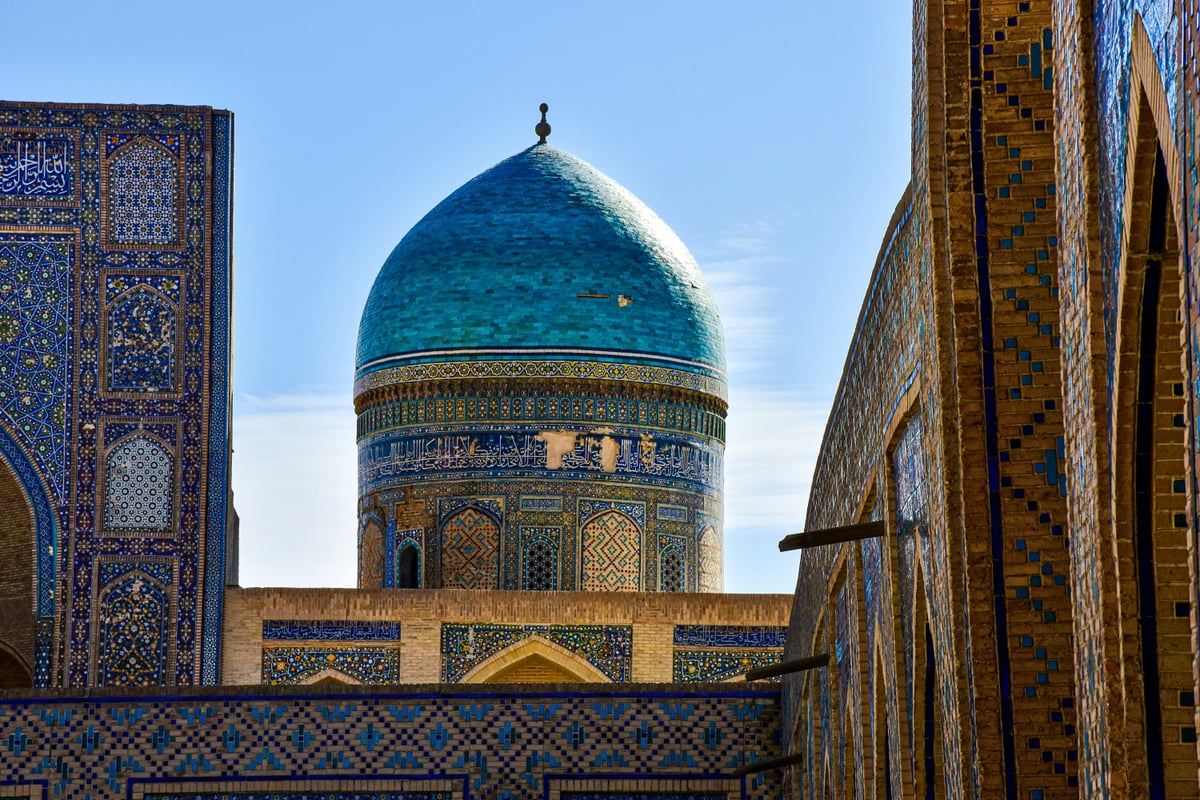
For those wanting to dive deeper into Samarkand's cultural layers, joining a free walking tour offers insights that guidebooks miss-local legends, hidden courtyards, and the stories behind the stones that bring the city's long history to vivid life.
Planning Your Uzbekistan Journey
When to Visit
Timing dramatically affects your experience of uzbekistan attractions. Spring (April-May) and autumn (September-October) offer ideal weather-warm days, cool evenings, and landscapes at their most photogenic. The National Geographic feature on Uzbekistan’s Silk Road cities beautifully captures how seasons transform these ancient settings.
Summer (June-August) brings intense heat, particularly in Samarkand and Bukhara, where temperatures regularly exceed 40°C. Yet this season has advantages: fewer tourists, lower prices, and a chance to experience local life when Uzbeks themselves vacation in mountain areas.
Winter (November-March) sees snow-dusted domes and dramatically reduced crowds. While some tourist facilities close, the major monuments remain accessible, and the stark winter light creates stunning photography conditions.
Getting Around
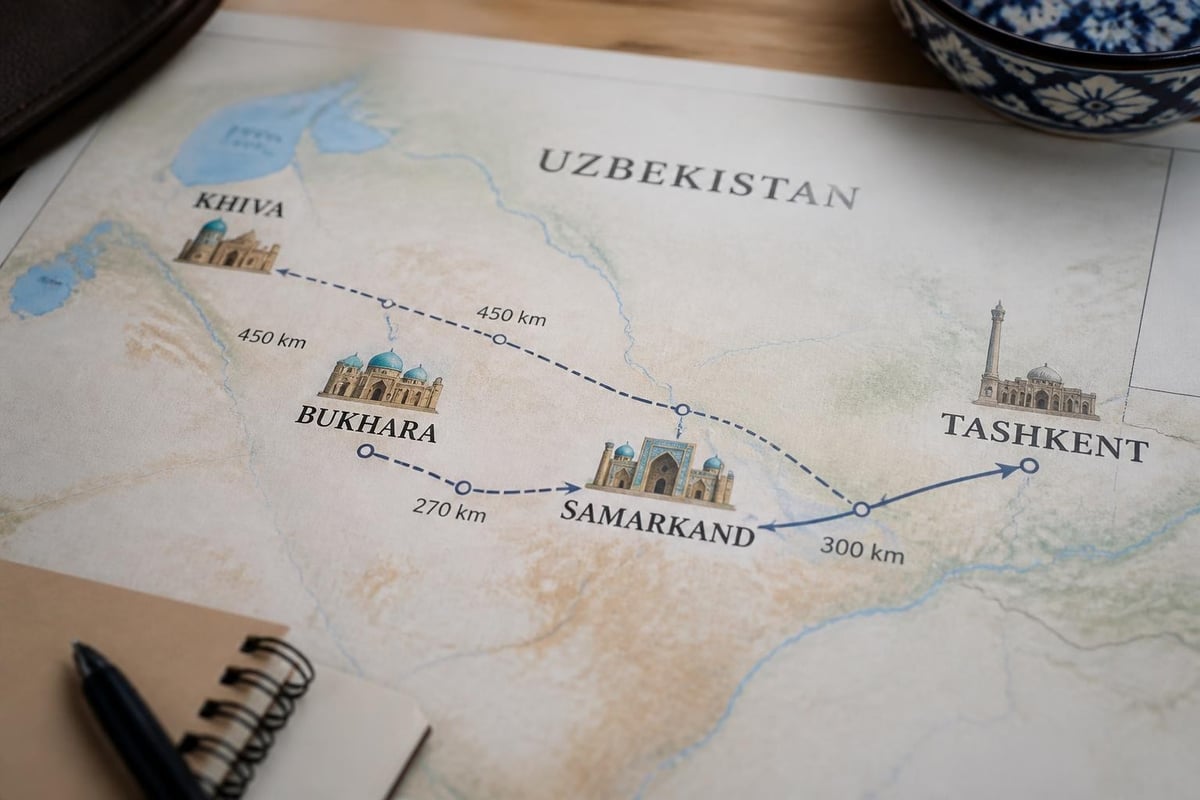
Transportation options between major cities:
- High-speed Afrosiyob trains connecting Tashkent, Samarkand, and Bukhara (comfortable, efficient, booking essential)
- Shared taxis (faster but cramped, good for spontaneous departures)
- Domestic flights (useful for longer distances like Tashkent to Urgench/Khiva)
- Private drivers (expensive but flexible for custom itineraries)
The country's tourism infrastructure has improved dramatically since 2018, when visa requirements eased and the government prioritized tourism development. According to the UNWTO’s tourism development report on Uzbekistan, strategic investments in hospitality and transport are transforming the visitor experience while respecting cultural heritage.
Practical Wisdom for Curious Travellers
Accommodation Strategies
Where you sleep shapes your entire experience. Guesthouses run by local families offer authenticity, home-cooked meals, and genuine hospitality that hotels can't match. Many occupy converted traditional homes (madrassahs or merchant houses) with courtyards, carved wooden pillars, and hand-painted ceilings.
Mid-range hotels have multiplied in recent years, particularly in Samarkand and Bukhara, offering comfortable bases without breaking budgets. Luxury options remain limited outside Tashkent, but that scarcity helps preserve the intimate character that makes visiting uzbekistan attractions special.
Cultural Etiquette
Respectful behaviour opens doors throughout Uzbekistan. Dress modestly when visiting religious sites-covered shoulders and knees minimum. Remove shoes before entering homes and some monuments. Accept tea when offered; refusing hospitality causes genuine offense. Learn a few Uzbek phrases ("rahmat" for thank you, "assalomu alaykum" for hello), and you'll see smiles multiply.
Photography presents nuances. Monuments welcome cameras, but always ask permission before photographing people, particularly women. Bazaar vendors generally enjoy having their portraits taken after you've established friendly rapport, but assumptions create discomfort.
Money and Costs
Uzbekistan remains remarkably affordable by international standards. Daily budgets vary enormously:
- Budget travellers: £20-30 (guesthouse accommodation, street food, public transport)
- Mid-range comfort: £40-70 (decent hotels, restaurant meals, occasional taxis)
- Comfortable exploration: £100+ (boutique hotels, private guides, flexibility)
Entry fees to monuments stay modest (typically £1-3), making extensive sightseeing financially accessible. The som (national currency) isn't internationally traded, so exchange money at official points or withdraw from ATMs in larger cities.
Lesser-Known Treasures
Termez: Buddhist Heritage on the Afghan Border
Few visitors venture to Termez in Uzbekistan's far south, yet this frontier city reveals a completely different chapter of the region's past. Before Islam arrived, this area flourished as a Buddhist centre along trade routes connecting India with China. The Fayaz Tepe monastery complex and Archaeological Museum display artifacts from this forgotten era, adding another layer to the country's multi-textured history.
Karakalpakstan and the Aral Sea
The autonomous republic of Karakalpakstan, in Uzbekistan's west, contains some of the country's most challenging attractions. The former Aral Sea, once the world's fourth-largest lake, has shrunk to remnants following Soviet-era irrigation disasters. Visiting the rusting ships that sit in what's now desert offers a sobering reminder of environmental catastrophe, while the Savitsky Museum in Nukus holds an astonishing collection of Russian avant-garde art.
The Fergana Valley's Hidden Cities
Kokand, once capital of an independent khanate, retains a palace and several madrassahs that see fraction of tourists compared to Bukhara or Samarkand. Andijan, birthplace of the Mughal emperor Babur, offers insights into regional history without the souvenir stalls. These cities let you experience uzbekistan attractions without feeling like you're walking a well-worn tourist trail.
The Lonely Planet guide to Uzbekistan provides practical perspectives on incorporating these lesser-visited destinations into broader itineraries, balancing iconic sites with authentic discoveries.
The Human Element
What ultimately distinguishes uzbekistan attractions isn't the architecture-magnificent though it is-but the people who bring these spaces to life. The grandmother selling fresh bread at dawn outside Bibi-Khanym Mosque. The teenager practicing English phrases in the shade of Kalyan Minaret. The craftsman who invites you into his ceramics workshop for tea and conversation that stretches across language barriers.
These encounters transform sightseeing into genuine travel. When an elderly man at Chorsu Bazaar insists you try fresh apricots from his friend's orchard, or a family invites you to share plov at their home, you glimpse the hospitality that made Silk Road cities thrive for centuries. Commerce alone didn't sustain these urban centres-human connections across cultures did.
The Government of Uzbekistan’s cultural heritage initiatives increasingly recognize that preserving monuments means supporting the communities surrounding them, ensuring that traditions stay alive rather than becoming museum exhibits.
The Photography Challenge
Capturing uzbekistan attractions presents delightful challenges. The intense colours-turquoise tiles against azure skies, golden domes at sunset-risk looking oversaturated even when accurately rendered. Timing matters enormously. Early morning light bathes monuments in soft warmth, while harsh midday sun washes out details. Late afternoon creates long shadows that emphasize architectural depth.
Inside madrassahs and mausoleums, dramatic contrasts between dark interiors and sunlit courtyards test camera capabilities. Many photographers find that smartphone cameras struggle with this range, while proper cameras yield spectacular results. The trick is learning to embrace imperfection-not every photo needs to be perfect when you're creating personal memories.
Uzbekistan's attractions weave together architectural grandeur, living traditions, and warm hospitality into experiences that stay with you long after you've returned home. Whether you're drawn by history, culture, photography, or simple curiosity, these Silk Road cities reward engagement with layers of meaning that reveal themselves gradually. To truly understand Samarkand's magic beyond its famous monuments, consider exploring with Visit Samarkand, where free walking tours connect you with local guides who share the hidden stories and cultural insights that transform sightseeing into unforgettable discovery.