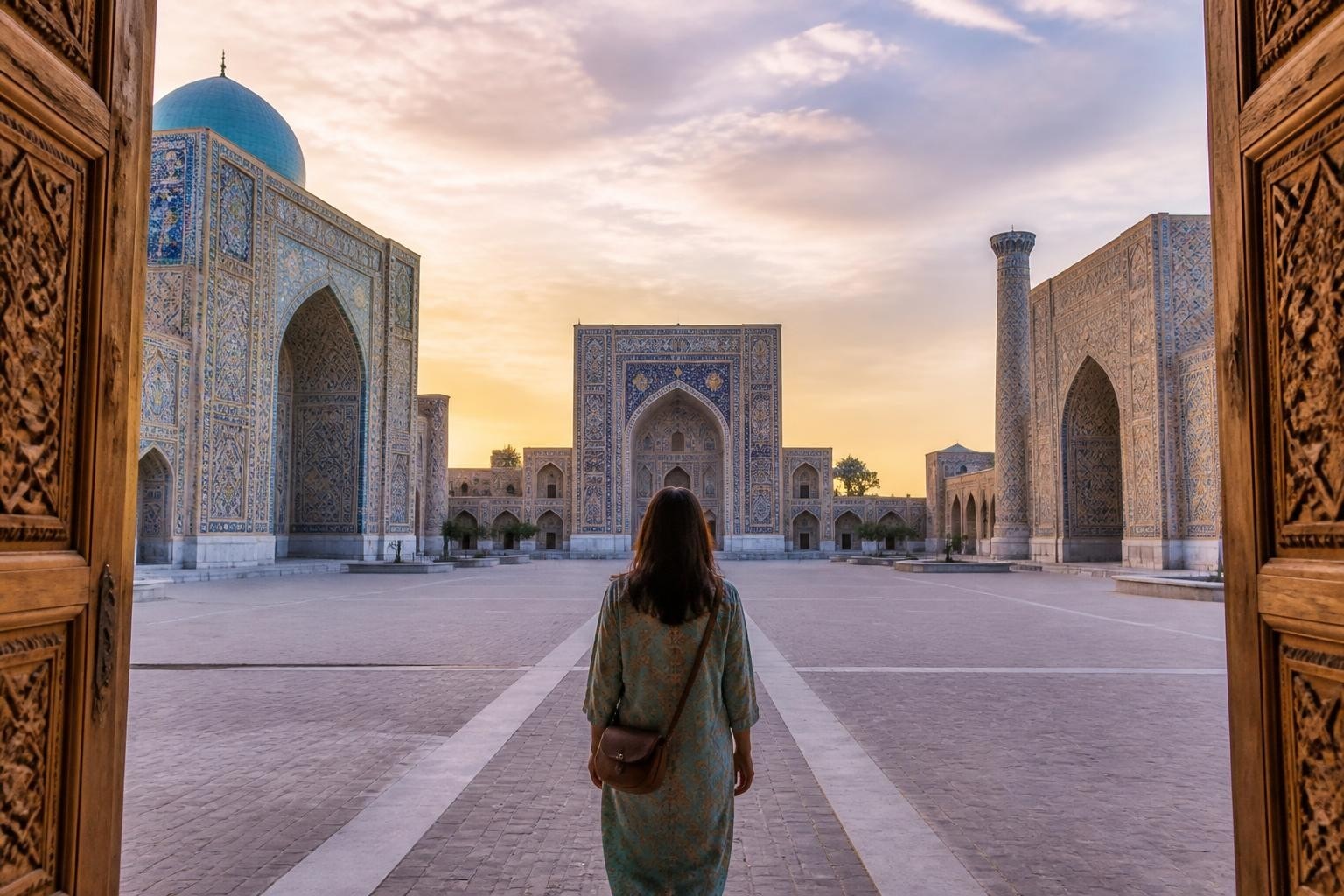
Standing at the crossroads where East met West for millennia, Uzbekistan whispers stories of caravans, conquerors, and craftsmen through every turquoise dome and weathered brick. I still remember my first glimpse of Registan Square at sunrise-the way golden light crept across its façade, revealing patterns I'd only seen in books. That moment changed how I thought about travel entirely. Planning an Uzbekistan itinerary isn't just about ticking boxes on a map; it's about threading together architectural marvels, living traditions, and moments that reshape your understanding of history itself. Whether you have one week or three, this Central Asian gem rewards every traveller who ventures along its ancient Silk Road.
Understanding the Geography and Logistics
Uzbekistan sprawls across 447,000 square kilometres of desert, mountains, and fertile valleys, yet the country's tourism heartland follows a surprisingly compact route. The four jewels-Tashkent, Samarkand, Bukhara, and Khiva-sit connected by modern highways and increasingly efficient rail links.
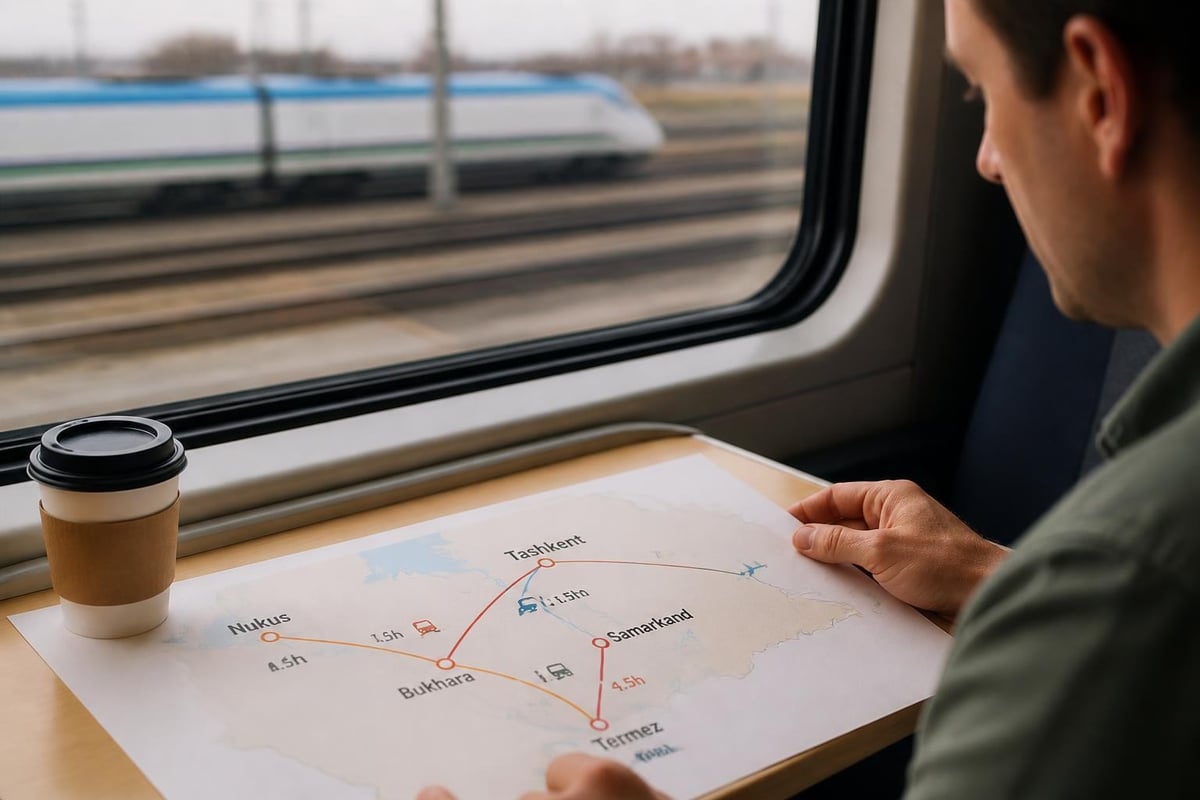
Distance and travel time matter more than they first appear. Between Tashkent and Samarkand lies 344 kilometres, just over two hours by high-speed Afrosiyob train. Samarkand to Bukhara stretches 280 kilometres, roughly four hours by train or shared taxi. The real journey comes reaching Khiva-another 450 kilometres from Bukhara through increasingly arid landscape.
Getting Your Paperwork Sorted
Before your boots touch Uzbek soil, you'll need to navigate entry requirements. Citizens of most countries can now apply through the official e-visa portal, a streamlined process that typically takes three to five working days. The single-entry tourist visa costs around £40 and remains valid for 30 days.
| Document | Requirement | Processing Time |
|---|---|---|
| E-visa | Valid passport (6+ months) | 3-5 business days |
| Passport photo | Digital upload | Immediate |
| Return ticket | Proof of onward travel | Before arrival |
| Travel insurance | Recommended, not mandatory | Before departure |
Registration used to haunt every Uzbekistan itinerary with bureaucratic complexity, but reforms in recent years have simplified matters dramatically. Hotels automatically register guests staying overnight-just ensure you collect registration slips at each property.

The Essential Seven-Day Uzbekistan Itinerary
A week represents the sweet spot for first-time visitors. You'll experience the trinity of great Silk Road cities without feeling perpetually rushed, with breathing room for spontaneous discoveries that make travel memorable.
Days 1-2: Tashkent-The Modern Gateway
Your Uzbekistan itinerary likely begins in Tashkent, the capital rebuilt after a devastating 1966 earthquake. Rather than viewing it merely as a transit point, spend at least one full day here.
The Chorsu Bazaar erupts with colour, scent, and negotiation each morning. Pyramids of pomegranates tower beside sacks of crimson spices, whilst vendors slice fresh non bread from tandoor ovens. The metro system itself deserves exploration-each station designed as an underground palace with distinct themes and chandeliers that rival opera houses.
Days 3-4: Samarkand-Where Timur's Legacy Lives
The 280-kilometre journey from Tashkent deposits you in humanity's most breathtaking city. Even hardened travellers stand speechless before Registan Square, where three madrasas frame a plaza that once hosted markets, proclamations, and public executions.
A well-planned week in Uzbekistan always dedicates substantial time to Samarkand, and rightly so. Beyond Registan, your days should encompass:
- Shah-i-Zinda necropolis: Eleven mausoleums climbing a sacred hillside, each tiled more elaborately than the last
- Bibi-Khanym Mosque: Timur's grand tribute to his favourite wife, once Central Asia's largest mosque
- Gur-e-Amir mausoleum: The surprisingly modest final resting place of Tamerlane himself
- Ulugh Beg Observatory: A 15th-century astronomical marvel that calculated the year to within one minute
Walking these sites with local insight transforms architectural appreciation into genuine understanding. When you join a free walking tour, guides share not just dates and dimensions but the human stories-the astronomer-prince who defied his imam father, the craftsmen who invented new glazing techniques, the Soviet archaeologists who uncovered forgotten foundations.
Days 5-6: Bukhara-The Living Museum
Board an early morning train and watch the landscape shift from Samarkand's relative greenery to Bukhara's desert surroundings. This city feels different immediately-more intimate, less monumental, thoroughly lived-in.
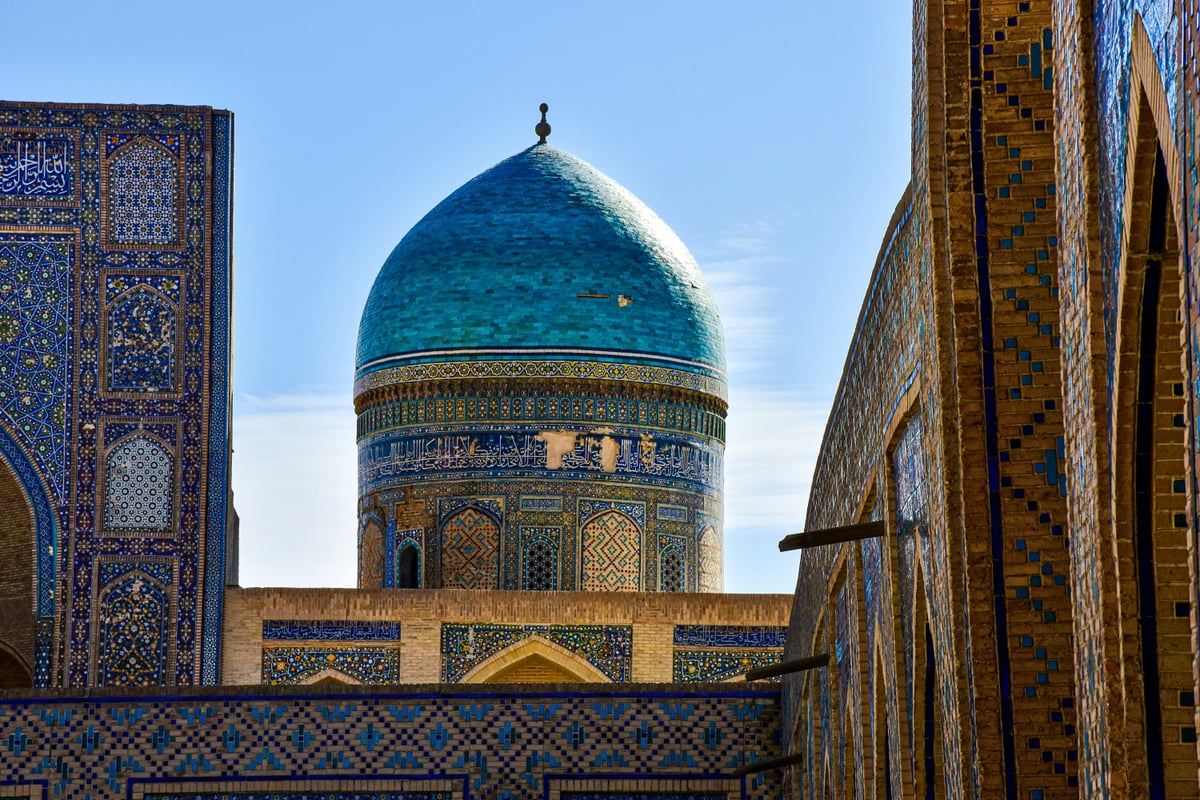
Bukhara's old town sprawls across 220 hectares of protected architecture where residents still occupy centuries-old neighbourhoods. The Lyab-i-Hauz plaza centres around a rectangular pool where old men sip tea beneath mulberry trees, exactly as they have for generations.
| Bukhara Highlights | Era | Unique Feature |
|---|---|---|
| Ark Fortress | 5th century | Throne room with city views |
| Kalyan Minaret | 1127 | Survived Mongol destruction |
| Trading Domes | 16th century | Still functioning workshops |
| Chor-Minor | 1807 | Four-towered madrasah gate |
Day 7: Return or Extension to Khiva
Your final day presents a choice. Conservative itineraries return to Tashkent for evening flights. The ambitious press westward to Khiva-an exhausting but rewarding addition that transforms your Uzbekistan itinerary into something more complete.
Crafting a Two-Week Uzbekistan Itinerary
With fourteen days, you shift from sampler to connoisseur. The extra week allows deeper immersion, slower mornings, and ventures beyond the primary circuit.
Days 8-10: Khiva and the Khorezm Oasis
If Bukhara feels lived-in, Khiva resembles an architectural theme park-though that assessment softens once you wander its lanes at dawn. The entire Itchan Kala (inner town) earned UNESCO protection, preserving fifty historic monuments within mud walls.
The official tourism portal details several extensions from Khiva: overnight yurt stays in the surrounding desert, visits to ancient Khorezm fortresses slowly dissolving into sand, or excursions to the ecological disaster that is the Aral Sea.
Days 11-12: Fergana Valley Detour
Fewer tourists venture into the Fergana Valley, Uzbekistan's lush eastern appendage squeezed between Kyrgyz and Tajik mountains. Those who do discover a different face of the country-verdant, industrial, famous for ceramics and silk production.
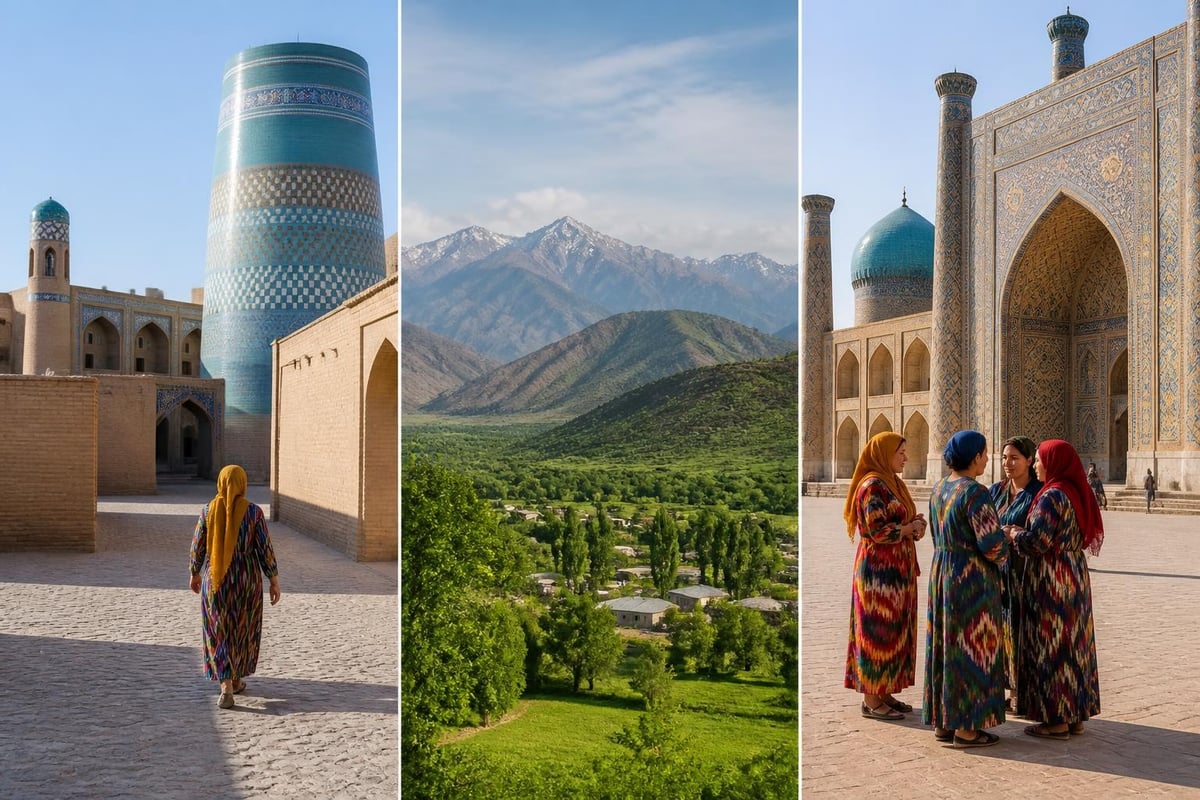
Margilan's Yodgorlik Silk Factory demonstrates ikat weaving techniques unchanged for centuries. Rishtan's pottery workshops produce blue-and-white ceramics recognisable across Central Asia. Kokand's Khudoyar Khan Palace explodes with tilework that rivals anything in Samarkand.
Days 13-14: Return to Samarkand or Tashkent
Circle back to your favourite city for final explorations. Perhaps that means revisiting Samarkand with fresh eyes, now understanding its context within broader Uzbek history. Or discovering Tashkent's museums you initially skipped-particularly the Applied Arts Museum, housed in a traditional mansion showcasing regional crafts.
Seasonal Considerations for Your Uzbekistan Itinerary
Timing shapes experience as profoundly as route selection. Uzbekistan's continental climate swings between blistering summers and occasionally snowy winters.
Spring (April-May) represents peak season for good reason. Temperatures hover between 20-25°C, perfect for all-day exploration. Trees bloom throughout Samarkand's parks, and nawruz (Persian New Year) celebrations in March often extend into April with festivals and special performances.
Summer's heat becomes oppressive. July temperatures regularly exceed 40°C in Bukhara and Khiva, turning afternoon sightseeing into an endurance test. Only seasoned heat-lovers should schedule a summer Uzbekistan itinerary, compensating with early starts and extended midday breaks.
Autumn (September-October) rivals spring as the ideal window. Harvest season brings fresh produce to bazaars, temperatures moderate to comfortable levels, and tourist numbers thin slightly.
| Season | Temperature Range | Crowd Level | Best For |
|---|---|---|---|
| Spring (Apr-May) | 15-25°C | High | First-time visitors |
| Summer (Jun-Aug) | 30-42°C | Medium | Heat-tolerant budget travellers |
| Autumn (Sep-Oct) | 18-28°C | Medium-High | Photography and festivals |
| Winter (Nov-Mar) | -5-10°C | Low | Authentic local experience |
Winter travel requires mental adjustment but offers rewards. You'll have monuments virtually to yourself, experience genuine local life as tourism machinery slows, and enjoy dramatically different light for photography. Just pack appropriately-central heating remains unreliable in older guesthouses.
Transport Between Cities: Making Connections
How you move between destinations fundamentally shapes your Uzbekistan itinerary experience. Each method carries distinct advantages.
Train Travel on the Afrosiyob
The high-speed Afrosiyob trains represent modern Uzbekistan's infrastructure pride. These Spanish-built trains connect Tashkent, Samarkand, and Bukhara at speeds reaching 250 km/h. Book through Uzbekistan Railways directly-their website now functions reliably in English.
Practical tips for train travel:
- Book seats 15-20 days in advance during peak season
- Business class offers minimal upgrade over economy comfort
- Morning departures provide better daylight scenery
- Station announcements rarely use English; confirm your platform
Shared taxis (marshrutkas) fill gaps in the rail network and offer flexibility. Four passengers split costs for direct, door-to-door service. Negotiate prices firmly but fairly-drivers often quote inflated tourist rates initially.
Health, Safety, and Practical Preparations
I learned this lesson the hard way: what you pack matters less than what you know. My first Uzbekistan itinerary suffered from preventable stomach issues and dehydration until local friends shared essential wisdom.
The CDC’s Uzbekistan guidance recommends routine vaccinations plus Hepatitis A and Typhoid for most travellers. Rabies vaccination merits consideration if you'll spend time in rural areas or work with animals.
Water safety remains paramount. Tap water throughout Uzbekistan requires boiling or filtering. Stock bottled water constantly, particularly during summer months when dehydration sneaks up quickly. Tea drinking provides safe hydration-every chaikhana (teahouse) serves fresh-brewed varieties.
What Actually Goes in Your Bag
Forget half of what typical packing lists recommend. After multiple trips, here's what genuinely matters:
- Modest clothing: Long sleeves and pants for religious sites, lightweight for summer heat
- Comfortable walking shoes: Cobblestones and uneven surfaces dominate old cities
- Sun protection: Hat, sunglasses, and high-SPF sunscreen (hard to find locally)
- Portable charger: Power outlets prove scarce during long site visits
- Small bills (USD or EUR): For registration fees, tips, and bazaar purchases
Women should pack a light scarf for covering hair when entering active mosques, though enforcement varies. Men need long trousers-shorts mark you as a tourist and may prevent entry to certain sites.
Beyond the Main Circuit: Alternative Routes
Standard itineraries risk becoming prescriptive, funnelling everyone through identical experiences. Yet Uzbekistan rewards those who colour outside established lines.
The Nurata Mountains north of Samarkand offer community-based tourism initiatives where families host travellers in village homes. You'll participate in daily life-baking bread, tending livestock, hiking to petroglyphs that predate the Silk Road.
The Chimgan Mountains near Tashkent provide Central Asia's best skiing December through March, though facilities remain basic by Alpine standards. Summer hiking through the same peaks reveals wildflower meadows and remote shepherds.
Termez in Uzbekistan's far south borders Afghanistan across the Amu Darya River. This frontier town preserves Buddhist heritage from centuries before Islam's arrival-the Fayaz Tepe monastery and Archaeological Museum reveal surprising layers of religious history.
Responsible Travel Along the Silk Road
Tourism brings both opportunity and challenge to Uzbekistan's historic cities. The World Bank’s assessment of sustainable heritage development highlights the delicate balance required as visitor numbers climb.
Choose accommodations that employ local staff and source food from regional suppliers. Family-run guesthouses provide income directly to residents whilst offering more authentic cultural exchange than international chains.
Support traditional craftspeople by purchasing directly from workshops rather than souvenir shops. The markup differences prove minimal, but your money reaches artisans who maintain centuries-old techniques under increasing economic pressure.
Money Matters and Budgeting Your Trip
Uzbekistan ranks among Central Asia's most affordable destinations, though costs have crept upward as tourism infrastructure improves. Your daily budget shapes what kind of Uzbekistan itinerary you'll experience.
Budget travellers (£25-40 per day) stay in hostels or family homestays, eat primarily at local cafes, use shared taxis and economy train seats, and limit paid attractions. This tier proves entirely viable whilst still accessing all major sights.
Mid-range travellers (£60-100 per day) enjoy comfortable hotels, mix restaurant meals with local dining, travel business class on trains, and can afford guides for deeper context at major sites.
| Expense Category | Budget Option | Mid-Range Option |
|---|---|---|
| Accommodation | £8-15 (hostel/homestay) | £30-50 (3-star hotel) |
| Meals | £5-8 daily | £15-25 daily |
| Transport | Shared taxis, economy trains | Business class, private drivers |
| Site entry | £2-5 per monument | Plus guided tours £15-25 |
ATMs now function reliably in major cities, though cash remains king for smaller transactions. Currency exchange works best at official points in larger cities-avoid airport rates when possible.
Creating Your Personal Uzbekistan Itinerary
Every traveller I've met along these routes had different priorities shaping their journey. The architecture enthusiast who spent four days documenting tilework details in Samarkand. The food writer eating her way through regional plov variations. The railway buff riding every possible train route.
Your Uzbekistan itinerary should reflect your interests, not someone else's template. Photography fanatics need extra time for optimal light-Registan Square at sunrise differs fundamentally from midday harshness. History devotees might sacrifice Khiva to spend more days in Samarkand's museums and libraries.
Planning resources have improved dramatically. The National Geographic exploration of Silk Road adventures provides both inspiration and practical frameworks for longer regional journeys extending into neighbouring countries.
Start with your non-negotiables, then build around them. Must-see Registan? Build two Samarkand nights minimum. Desperate for Khiva? Accept the long journey and trim time elsewhere. Limited to one week? Choose quality over quantity-better to know three cities well than seven superficially.
Leave buffer days for the unexpected. That charming ceramicist who invites you to dinner. The folk music performance you stumble across. The mountain pass that looked simple on maps but eats an extra half-day. These unplanned moments often become your richest memories.
Food Experiences Worth Building Around
Uzbek cuisine deserves consideration when structuring your itinerary, not just as fuel between monuments. Regional variations mean each city offers distinct specialties worth seeking.
Plov (osh) reaches its apotheosis in Tashkent, where dedicated osh centres serve massive cauldrons of rice, meat, carrots, and chickpeas each Thursday morning-wedding day tradition transferred to weekly ritual. Samarkand's version incorporates raisins and yellow carrots. Bukhara adds quince.
Samarkand's non bread, baked in clay ovens and stamped with distinctive patterns, became so renowned that airlines once transported them daily to Moscow for homesick Uzbeks. Visit the Siyob Bazaar bread section to witness bakers at work, their rhythm unchanged for generations.
Summer brings chaikhana gardens to life across every city. These open-air teahouses serve as social hubs where men gather for endless pots of green tea and plates of fresh fruit. Though traditionally male spaces, tourists of any gender receive welcome, particularly when local guides facilitate introductions.
Crafting your perfect Uzbekistan itinerary means balancing structure with spontaneity, hitting highlights whilst leaving room for discovery that can't be scheduled. Whether you spend seven days or twenty-one exploring this Silk Road treasure, the journey rewards both careful planning and openness to unexpected turns. When you reach Samarkand-arguably the journey's emotional centrepiece-consider deepening your understanding through Visit Samarkand, where free walking tours led by passionate local guides reveal layers of history and culture that independent exploration inevitably misses, transforming your visit from impressive to truly transformative.