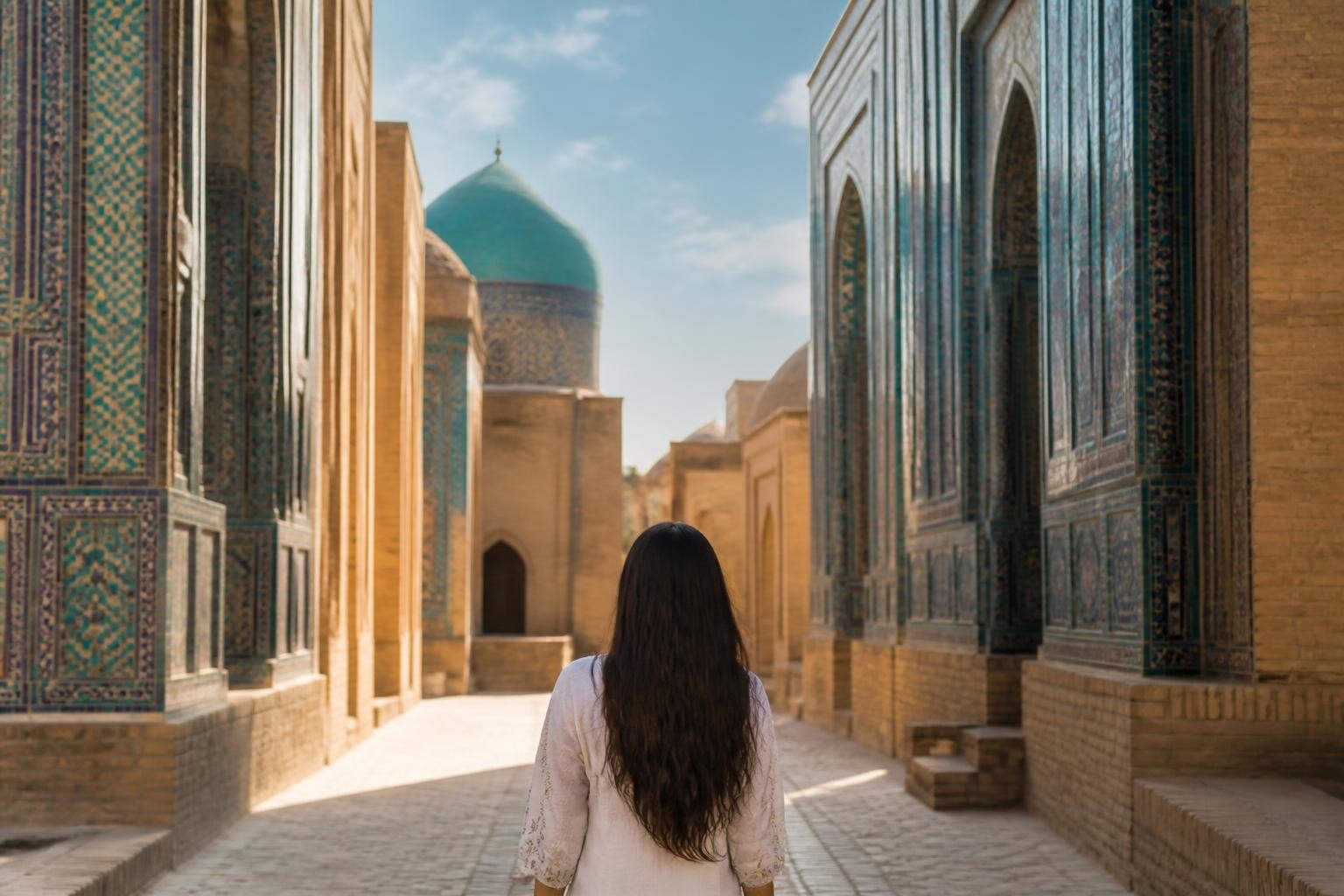
When travellers speak of Uzbekistan, they speak of cities that shimmer in the desert sun like precious stones scattered along the ancient Silk Road. This Central Asian nation holds within its borders some of the world's most magnificent architectural wonders, places where turquoise domes pierce azure skies and intricate tilework tells stories of empires long past. The uzbekistan places to visit in 2026 offer not merely sightseeing opportunities but genuine time travel, where every archway and every courtyard whispers tales of merchants, scholars, and conquerors who shaped civilisations. From Samarkand's legendary Registan Square to Khiva's perfectly preserved medieval walls, each destination promises experiences that will linger in your memory long after you've returned home.
Samarkand: The Jewel of the Silk Road
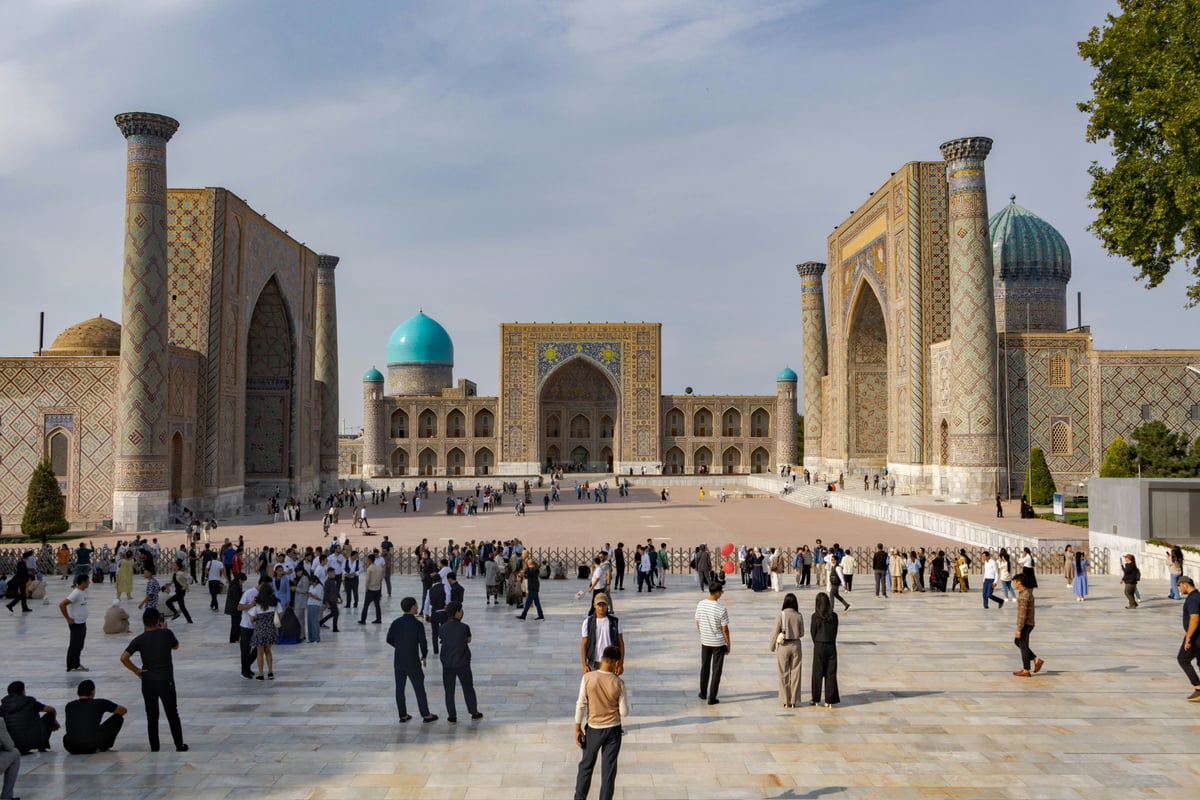
Standing in Registan Square for the first time is a moment that stops travellers in their tracks. Three grand madrasahs form a U-shaped ensemble of such overwhelming beauty that photographs simply cannot capture the emotion of being there.
The square represents everything that makes Samarkand special. The Ulugh Beg, Sher-Dor, and Tilya-Kori madrasahs showcase different periods of Islamic architecture, yet together they create perfect harmony. The tilework alone contains millions of individual pieces, each carefully placed by master craftsmen centuries ago.
Historical Treasures Beyond the Registan
Samarkand's wonders extend far beyond its famous square. The Bibi-Khanum Mosque, once among the Islamic world's largest, stands as a testament to Timur's ambition. Shah-i-Zinda, the Avenue of Mausoleums, climbs a hillside with a procession of turquoise-domed tombs that seem to glow from within.
Gur-e-Amir, Timur's mausoleum, captivates visitors with its ribbed azure dome and interior gold decoration. The building's acoustics create an otherworldly atmosphere where even whispers echo through the centuries.
For those seeking to understand these sites deeply, joining a Free Sight seeing of Samarkand walking tour provides invaluable context. Local guides share legends and historical details that bring the stones to life, helping visitors appreciate the layers of meaning embedded in every monument.
The official national tourism site offers comprehensive information about Samarkand's attractions and practical visitor guidance. The city has invested significantly in tourism infrastructure whilst carefully preserving its authentic character.
Bukhara: Living Museum of Central Asia
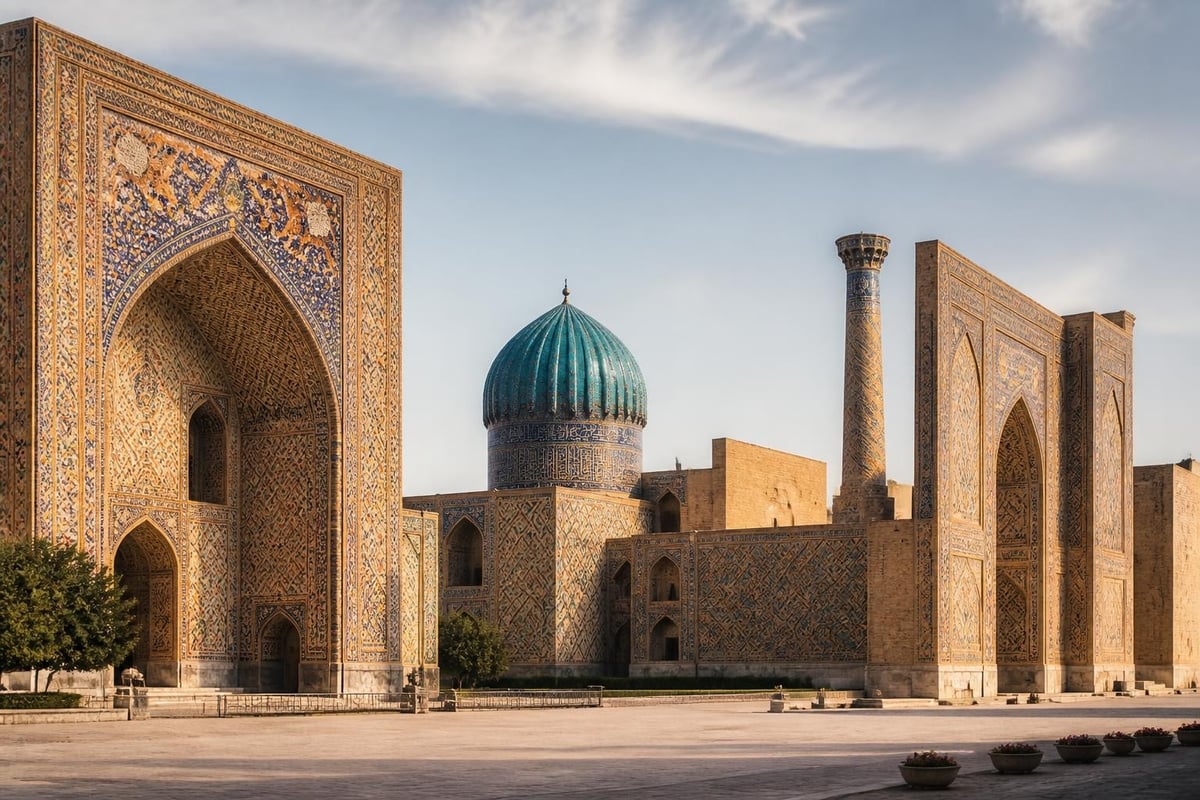
If Samarkand dazzles, Bukhara enchants. This city feels less like a museum and more like a living, breathing portal to medieval Central Asia. Its old town, a UNESCO World Heritage site, remains remarkably intact after more than two millennia of continuous habitation.
The Ark Fortress looms over the city as it has since the 5th century, its massive walls concealing a royal city within a city. Walking through its gates transports you to an era when emirs ruled from these very corridors.
Architectural Marvels and Bazaar Life
Bukhara's skyline features over 140 architectural monuments, but several stand out. The Kalyan Minaret, known as the "Tower of Death," survived even Genghis Khan's invasion. Legend holds the conqueror was so impressed by its beauty that he ordered it spared whilst his armies razed the rest of the city.
Key Bukhara monuments include:
- The Po-i-Kalyan complex (minaret, mosque, and madrasa)
- Lyab-i Hauz plaza with its reflecting pool
- Chor Minor's four distinctive minarets
- Samanid Mausoleum, a masterpiece of brickwork geometry
- Maghoki-Attor Mosque, built on a pre-Islamic temple site
The covered trading domes (Toki Zargaron, Toki Tilpak Furushon) continue functioning as bazaars after 500 years. Here you'll find craftsmen working as their ancestors did, producing suzani embroidery, ceramics, and metalwork using traditional techniques.
The city's atmosphere changes as day becomes evening. Tea houses around Lyab-i-Hauz fill with locals and travellers sharing stories under ancient mulberry trees. This blend of authenticity and accessibility makes Bukhara essential among uzbekistan places to visit.
Khiva: The Open-Air Museum City
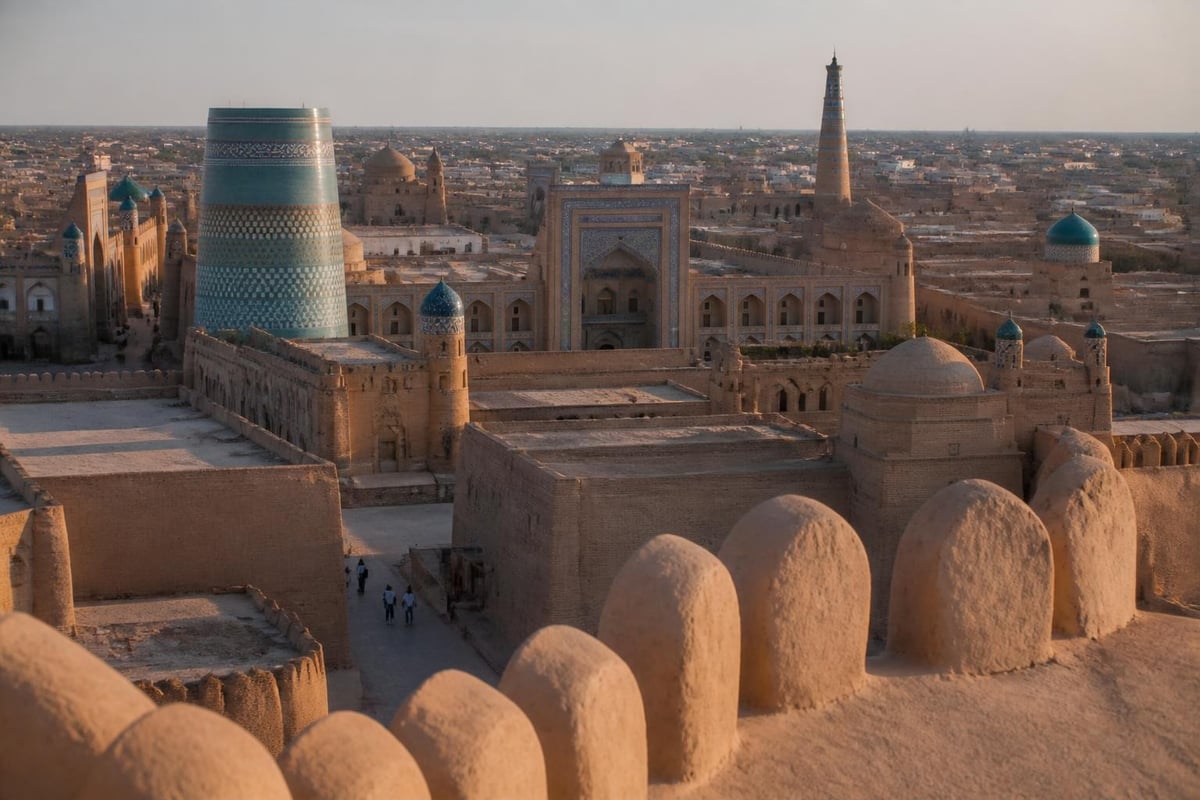
Approaching Khiva across the Kyzylkum Desert creates anticipation that the city itself exceeds. The mud-brick walls of Itchan Kala, the inner town, rise from flat desert like a mirage made solid.
Walking through Ata Darvaza gate is like stepping onto a film set, except everything is real. The entire walled city maintains its medieval layout so faithfully that orientation feels effortless. Every street leads to another stunning monument or hidden courtyard.
The Perfectly Preserved Medieval City
Khiva's compact size (roughly 650 by 400 metres) makes it ideal for exploration on foot. Unlike larger cities where monuments scatter across modern urban sprawl, here everything clusters within those protective walls.
| Monument | Significance | Notable Features |
|---|---|---|
| Kalta Minor Minaret | Unfinished 19th-century tower | Turquoise tilework, truncated height |
| Juma Mosque | 10th-century Friday mosque | 212 wooden columns, forest-like interior |
| Islam Khodja Complex | Early 20th-century construction | Tallest minaret in Khiva (45m) |
| Tash Hauli Palace | Khan's 19th-century residence | Intricate harem courtyards, tilework |
| Pakhlavan Mahmud Mausoleum | Poet-wrestler's tomb | Pilgrimage site, stunning majolica |
The Lonely Planet guide provides detailed itineraries for maximising your Khiva experience, including suggestions for day trips to nearby fortresses in the Khorezm region.
Sunset from the city walls offers unforgettable views. The honey-coloured light transforms the minarets and medersas into golden sculptures against purple skies. These moments remind you why Khiva deserves its place among the world's most extraordinary heritage sites.
Tashkent: Where Past Meets Present
Modern Tashkent surprises visitors expecting only ancient monuments. As Uzbekistan's capital and largest city, Tashkent balances gleaming contemporary architecture with carefully restored historical quarters.
The 1966 earthquake destroyed much of the old city, but reconstruction created a unique Soviet-era urban landscape. Today, that mid-century architecture attracts its own admirers, whilst recent restoration projects have revitalised traditional neighbourhoods.
Contemporary Culture and Historical Corners
The Chorsu Bazaar operates under a distinctive blue dome, offering sensory overload in the best way. Mountains of spices, fresh produce, dried fruits, and traditional breads create a photographer's paradise. The market connects to the old town, where narrow streets and traditional homes survive.
Tashkent highlights for 2026 visitors:
- Hazrat Imam Complex with its rare Uthman Quran
- Amir Timur Museum celebrating national heritage
- Tashkent Metro stations as underground art galleries
- Chorsu Bazaar for authentic market atmosphere
- Broadway pedestrian street for contemporary urban life
The Condé Nast Traveller guide to Tashkent offers excellent recommendations for experiencing both the city's modern dining scene and cultural attractions.
Tashkent serves as an ideal starting or ending point for exploring uzbekistan places to visit. The city's international airport connects to global hubs, whilst its hotels range from luxury international brands to charming boutique properties.
Hidden Gems Beyond the Classic Circuit
Whilst Samarkand, Bukhara, and Khiva form Uzbekistan's classic tourist triangle, adventurous travellers discover extraordinary sites beyond the well-trodden paths.
The Fergana Valley's Artisan Towns
The fertile Fergana Valley cradles towns famous for specific crafts. Margilan produces ikat silk fabrics using techniques passed through generations. Watching master weavers at the Yodgorlik Silk Factory reveals the complexity behind those vivid patterns.
Rishtan's ceramic tradition dates back centuries. The distinctive blue glaze, made from local minerals, appears nowhere else. Visiting pottery workshops allows you to meet artists and purchase authentic pieces directly from their creators.
Kokand once ruled as capital of an independent khanate. Its palace, the Khudoyar Khan Palace, features a facade decorated with extraordinary tilework. The combination of relative tourist scarcity and genuine cultural depth makes the Fergana Valley rewarding for those seeking authentic experiences.
Nukus and the Savitsky Museum
In far western Uzbekistan, the city of Nukus harbours an unexpected treasure. The Savitsky Museum holds the world's second-largest collection of Russian avant-garde art, plus remarkable Karakalpak folk art.
Igor Savitsky, a Soviet artist and collector, rescued thousands of works by artists persecuted during Stalin's regime. He brought them to remote Nukus, where authorities paid little attention. Today, the Savitsky Museum attracts art lovers from around the globe.
The surrounding Karakalpakstan region offers stark desert landscapes and the haunting ship graveyard of the Aral Sea. Whilst logistically challenging, this area provides perspectives on Central Asian history and environmental issues found nowhere else.
Practical Considerations for 2026 Travel
Planning your journey through uzbekistan places to visit requires attention to logistics, though recent improvements have simplified many aspects of travel.
When to Visit
Uzbekistan experiences extreme continental climate. Spring (April-May) and autumn (September-October) offer ideal conditions with comfortable temperatures and clear skies. Summer temperatures frequently exceed 40°C, making sightseeing exhausting, whilst winter brings cold that can drop below freezing.
Nawruz (March 21st) celebrations showcase spectacular traditions but also mean crowded sites and higher prices. Ramadan affects restaurant hours, though tourist areas generally accommodate non-Muslim visitors.
Getting Around
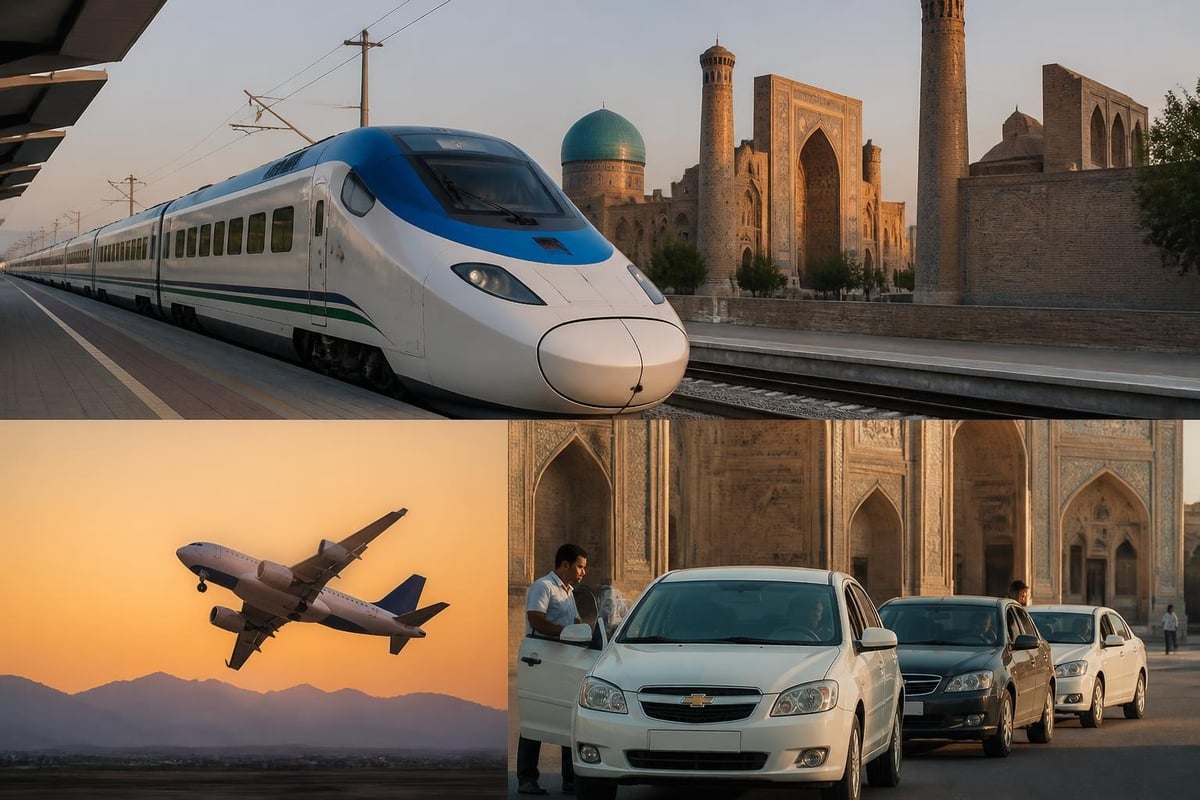
The high-speed Afrosiyob train connecting Tashkent, Samarkand, and Bukhara has transformed travel between major cities. Journey times that once took five hours by car now require just over two hours in air-conditioned comfort.
Shared taxis remain popular for shorter distances and reaching places without rail connections. Hiring a driver provides flexibility but costs more than public options.
Uzbekistan Airways and other carriers offer domestic flights, particularly useful for reaching Nukus or Urgench (for Khiva) from Tashkent.
Accommodation and Dining
Accommodation spans all categories. Samarkand and Bukhara offer heritage hotels in restored madrasahs and merchant houses, providing atmospheric settings with modern comforts. For travellers seeking exceptional luxury combined with privacy, properties like The Hidden Domus demonstrate the high standards increasingly available across Central Asia, though Uzbekistan's strength lies particularly in its characterful boutique hotels that immerse guests in local architecture.
Traditional Uzbek dishes you must try:
- Plov (pilaf rice with meat and vegetables)
- Shashlik (grilled meat skewers)
- Lagman (hand-pulled noodles in broth)
- Manti (steamed dumplings)
- Samsa (savoury pastries)
Teahouses (chaikhanas) serve as social hubs where you can observe local life whilst enjoying endless cups of green tea.
Cultural Immersion and Local Experiences
The most memorable moments often happen beyond major monuments. National Geographic’s feature on Uzbekistan highlights how cultural encounters define the traveller experience here.
Staying in family-run guesthouses provides insight into daily life. Hosts often invite guests to share home-cooked meals, offering authentic hospitality that hotels cannot replicate.
Attending a traditional music performance reveals the sophistication of Central Asian classical music. The haunting sound of the dutar (two-stringed lute) or the lively rhythms of Khorezm dance create powerful cultural connections.
Visiting workshops where craftspeople practice traditional arts opens eyes to skills requiring years of mastery. Whether watching a miniature painter, a ceramic artist, or a suzani embroiderer, these encounters deepen appreciation for Uzbek cultural heritage.
Responsible Tourism and Preservation
As Uzbekistan's tourism sector grows, balancing access with preservation becomes increasingly important. Recent tourism reports show visitor numbers increasing significantly, bringing economic benefits but also preservation challenges.
Supporting local businesses rather than international chains keeps tourism revenue in communities. Purchasing directly from artisans ensures fair compensation for their work. Respecting religious sites by dressing modestly and following local customs shows cultural sensitivity.
Photography rules vary by site. Some locations prohibit cameras or charge fees. Always ask permission before photographing people, particularly in rural areas or religious contexts.
Planning Your Uzbekistan Adventure
Creating an itinerary through uzbekistan places to visit depends on available time and interests. A minimum of ten days allows covering the classic circuit properly, whilst two weeks enables including Tashkent, the Fergana Valley, or more remote destinations.
Sample Itineraries
Ten-Day Classic Route:
1-2: Tashkent arrival and city exploration
3-5: Samarkand (Registan, Shah-i-Zinda, markets)
6-8: Bukhara (old town, monuments, bazaars)
9-10: Khiva and return journey
Two-Week Extended Journey:
Add three days in the Fergana Valley visiting Margilan, Rishtan, and Kokand, or include Nukus for the Savitsky Museum and Aral Sea excursion.
Working with local tour operators or joining walking tours enhances understanding whilst supporting the local economy. Expert guides reveal details and stories that independent travellers might miss, transforming good visits into extraordinary experiences.
The Visit Samarkand initiative exemplifies how accessible, high-quality guided experiences help visitors connect meaningfully with Uzbekistan's heritage whilst ensuring that tourism benefits local communities directly.
Uzbekistan's treasures along the ancient Silk Road await discovery in 2026, offering journeys that satisfy both the curiosity of history enthusiasts and the wanderlust of adventure seekers. Whether marvelling at Samarkand's turquoise domes, wandering Bukhara's medieval streets, or exploring Khiva's perfectly preserved citadel, each destination reveals layers of culture and history that reward deeper exploration. Visit Samarkand helps travellers unlock these wonders through expert-led walking tours that bring the stones and stories to life, ensuring your Uzbekistan adventure becomes not just a trip but a transformative journey through time.