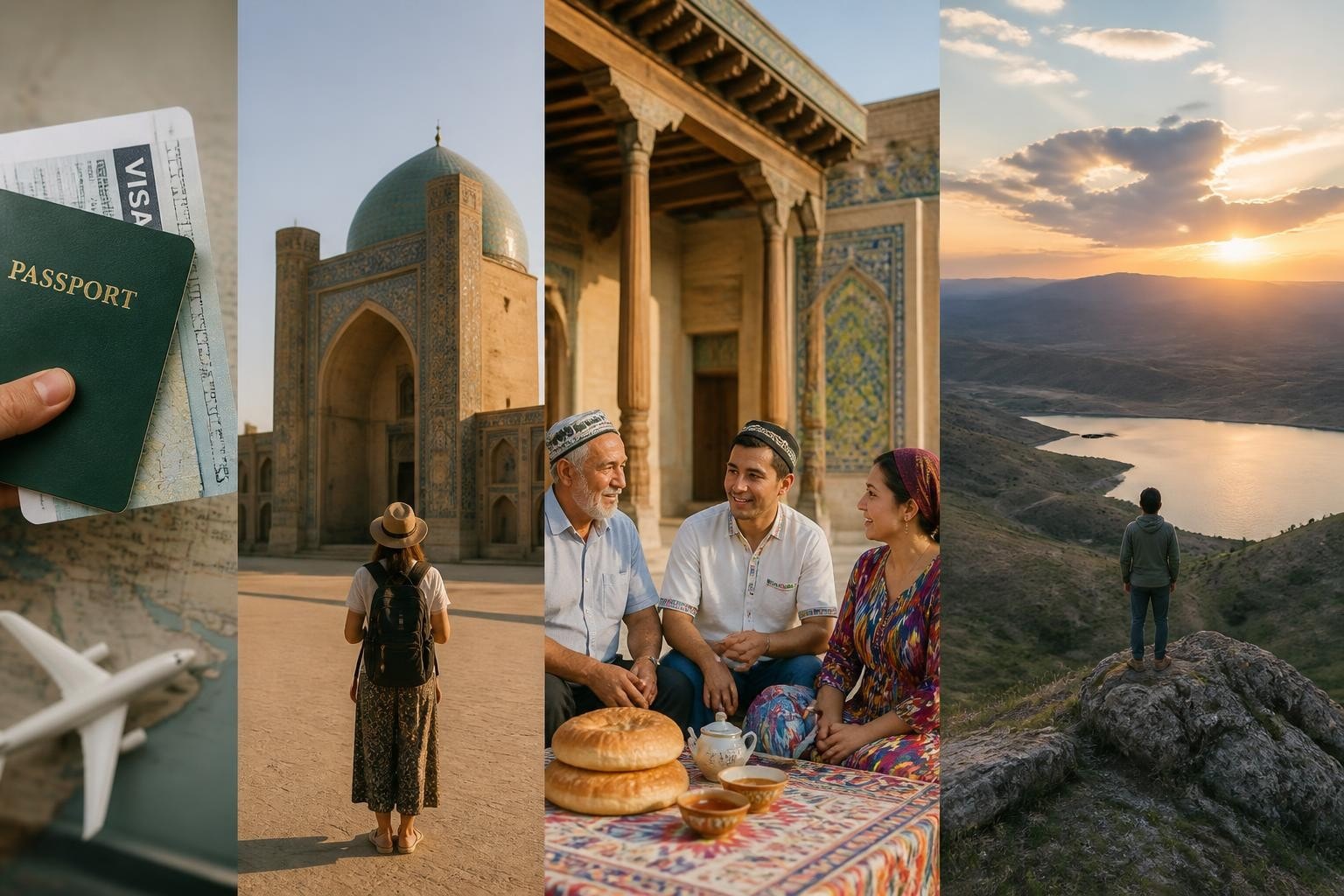
Standing at the crossroads of ancient trade routes, Uzbekistan beckons travellers with turquoise domes that pierce cobalt skies, bustling bazaars fragrant with spices, and stories whispered through centuries-old madrassas. This Central Asian gem, once the beating heart of the Silk Road, has quietly emerged as one of 2026's most compelling destinations. Whether you're drawn by the architectural splendour of Samarkand, the labyrinthine streets of Bukhara, or the living museum that is Khiva, this uzbekistan travel guide will equip you with everything needed to navigate this extraordinary country. From visa applications to cultural etiquette, from budget planning to hidden neighbourhood discoveries, we'll walk you through each step of your Uzbek adventure.
Planning Your Journey: Visas and Entry Requirements
The visa process for Uzbekistan has transformed dramatically in recent years, making entry remarkably straightforward for most visitors. Citizens from over 90 countries can now apply through the official e-visa portal, receiving approval within three business days for a fee of approximately £60. The system allows single or multiple entries with stays up to 30 days, though always verify current requirements before booking flights.
Understanding Entry Documentation
Beyond your passport (which must be valid for at least six months beyond your intended departure date), you'll need proof of accommodation for your entire stay. Many guesthouses and hotels provide confirmation letters specifically for visa applications. Travel insurance isn't mandatory but highly recommended, particularly coverage including medical evacuation given the distance from most Western countries.
Before finalising your plans, check the latest UK Foreign Office travel advice for Uzbekistan for any updates to entry regulations or safety considerations. Registration within three business days of arrival was once obligatory but rules have relaxed considerably, though your accommodation provider typically handles this automatically.

When to Visit: Seasons and Timing
Uzbekistan's continental climate swings between fierce extremes, making timing crucial for comfort. Spring (April-May) and autumn (September-October) offer the sweet spot: temperatures hover between 20-25°C, pomegranate trees burst with fruit, and the legendary Silk Road cities bask in golden light that photographers dream about.
Seasonal breakdown:
- Spring (March-May): Wildflowers carpet the mountains, Navruz celebrations fill streets with music, temperatures perfect for walking
- Summer (June-August): Scorching heat exceeds 40°C, locals retreat indoors midday, but mountain regions remain pleasant
- Autumn (September-November): Harvest season brings abundant fresh produce, ideal weather, autumn colours paint the valleys
- Winter (December-February): Bitter cold (below -10°C), snow-covered landscapes, reduced tourist crowds, authentic local experience
This uzbekistan travel guide recommends avoiding July and August unless you're particularly heat-tolerant. Winter travel suits adventurous souls willing to bundle up for fewer crowds and cheaper accommodation, though some mountain passes become impassable.
The Essential Cities: Where History Lives
Samarkand: The Jewel of the Silk Road
Samarkand commands attention like few cities on Earth. Registan Square, with its trio of madrassas adorned in celestial blues and golds, stands as arguably Central Asia's most magnificent architectural ensemble. The 15th-century structures seem to shimmer in morning light, their intricate tilework telling stories of astronomers, scholars, and conquerors.
Taking a free walking tour offers unparalleled access to the city's hidden gems and historical narratives. Local guides share legends passed down through generations, pointing out details easily missed when exploring independently. Beyond Registan, Shah-i-Zinda's avenue of mausoleums climbs a hillside in a cascade of turquoise domes, each more breathtaking than the last.
Bukhara: The Living Museum
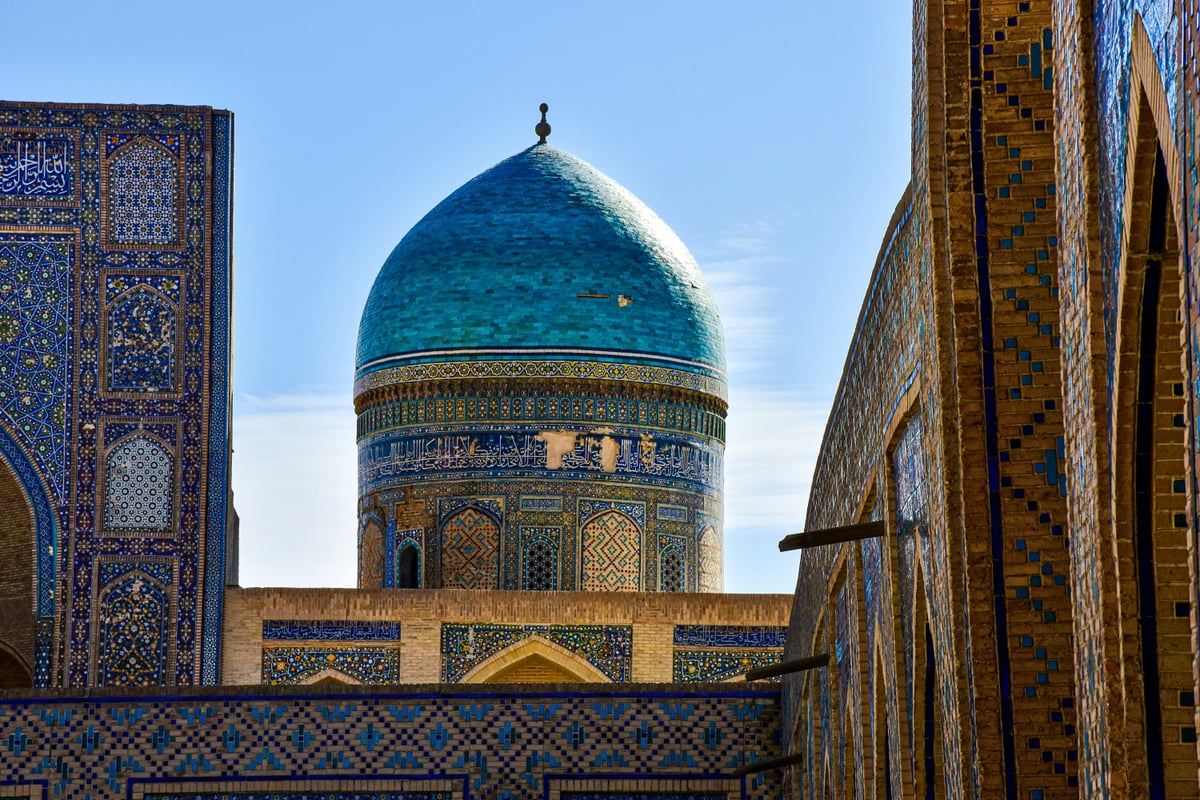
Bukhara feels like stepping into a medieval manuscript. The old city, remarkably intact, hosts over 140 protected monuments within walking distance. The Kalyan Minaret, standing 46 metres tall since 1127, once served as a beacon for Silk Road caravans and, grimly, as an execution tower. Today it anchors a complex of mosques and madrassas that buzz with craftspeople practising traditional arts.
The city's covered bazaars retain their original purpose, unlike many tourist-focused reconstructions elsewhere. Traders still haggle over silk suzanis, copper teapots, and miniature paintings. Evenings bring locals to Lyab-i Hauz pond, where chaikhanas (teahouses) serve green tea beneath ancient mulberry trees.
Khiva: The Open-Air Museum
Khiva's Itchan Kala, the walled inner town, represents Central Asia's most complete example of medieval Islamic architecture. Walking its narrow lanes transports you directly into the pages of Arabian Nights. Unlike Samarkand's grand squares or Bukhara's living neighbourhoods, Khiva functions almost entirely as a preserved historical zone, which creates both enchantment and occasional artificiality.
The city rewards those who stay overnight after day-trippers depart. Dawn and dusk transform the mud-brick walls and turquoise minarets into otherworldly landscapes, particularly magical when viewed from the city walls.
Getting Around: Transport Networks
| Transport Mode | Best For | Approximate Cost | Tips |
|---|---|---|---|
| High-speed train (Afrosiyob) | Tashkent-Samarkand-Bukhara | £15-25 one-way | Book through Uzbekistan Railways in advance |
| Shared taxi (marshrutka) | Shorter distances, rural areas | £3-8 per person | Negotiate price before departure |
| Domestic flights | Reaching Khiva, Nukus | £30-60 | Limited schedules, book early |
| Hired driver | Flexibility, comfort, group travel | £40-80 per day | Split costs among passengers |
The Afrosiyob high-speed train revolutionised travel between major cities, cutting the Tashkent-Samarkand journey from seven hours to just over two. Carriages feature air conditioning, comfortable seating, and onboard refreshments, though booking several weeks ahead during peak season prevents disappointment.
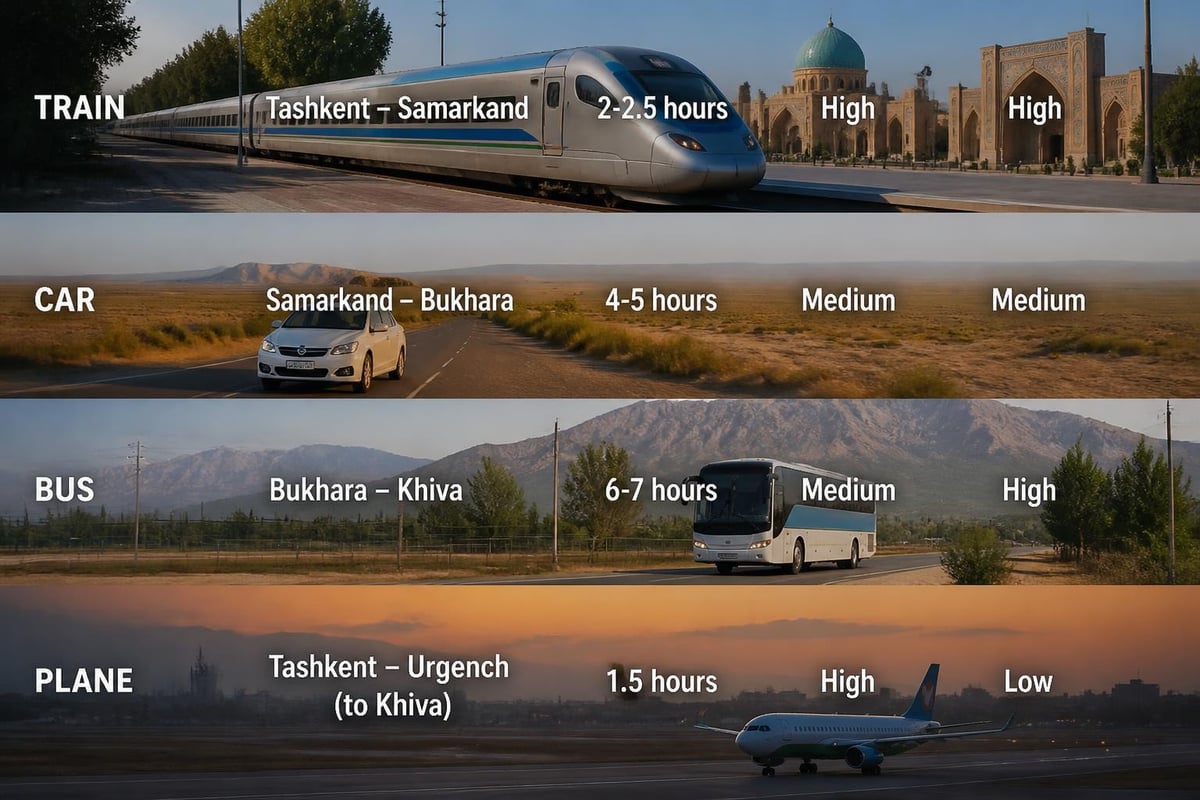
For reaching remoter destinations like the Aral Sea or Fergana Valley, shared taxis offer economical solutions. Drivers typically wait until vehicles fill completely, which tests patience but provides authentic local interaction. Private hire gives independence but costs significantly more.
Cultural Insights: Navigating Local Customs
Uzbek hospitality ranks among the world's warmest, yet understanding cultural nuances enriches every interaction. When entering homes or certain historical sites, removing shoes shows respect. Elders receive particular reverence; standing when they enter rooms and offering them honoured seating positions reflects well on foreign visitors.
Dress Code and Etiquette
Modest dress smooths your journey considerably, particularly outside tourist zones:
- Women: Cover shoulders and knees, carry a scarf for mosque visits, avoid tight-fitting clothing in conservative areas
- Men: Long trousers preferred, avoid sleeveless shirts in religious sites
- Both: Remove shoes before entering homes, mosques, and some museums
Photography requires sensitivity. Always ask permission before photographing people, particularly women. Some religious sites prohibit photography inside; respect posted signs and verbal requests. The spectacular architecture provides endless subjects without intruding on privacy.
The Culture of Bread and Tea
Never place bread upside down; this sacred staple holds deep cultural significance. At meals, breaking and sharing bread signals fellowship and respect. Green tea flows freely throughout Uzbekistan, served in small bowls called pialas. Accepting at least one cup shows courtesy, though politely declining subsequent refills causes no offence.
Health and Safety Considerations
Uzbekistan presents minimal safety concerns for travellers exercising basic precautions. Petty theft occurs occasionally in crowded bazaars and transport hubs, so secure valuables and maintain awareness. The country's authoritarian government maintains tight security, resulting in very low violent crime rates.
Consult the CDC’s Uzbekistan health recommendations regarding vaccinations well before departure. Routine vaccines should be current, with hepatitis A and typhoid strongly advised. Rabies vaccination merits consideration for those venturing into rural areas or planning extended stays.
Essential health precautions:
- Drink only bottled or boiled water
- Avoid raw vegetables unless washed in purified water
- Carry basic medications (antidiarrheals, painkillers, antihistamines)
- Pack high-SPF sunscreen and lip balm
- Arrange comprehensive travel insurance including medical evacuation
The summer heat poses genuine health risks. Dehydration and heatstroke affect unprepared travellers, particularly when exploring exposed archaeological sites. Carry water constantly, seek shade during midday hours, and recognise warning signs of heat illness.
Accommodation: From Guesthouses to Boutiques
Uzbekistan's accommodation scene has blossomed remarkably, offering options for every budget and preference. Traditional guesthouses provide the most authentic experiences, often family-run establishments where home-cooked meals and genuine hospitality create lasting memories. Expect to pay £15-30 per night for clean, comfortable rooms with breakfast.
Mid-range hotels in major cities blend modern amenities with Uzbek design elements. Many occupy restored historical buildings, particularly in Bukhara and Khiva's old quarters. Rates typically range £40-80, including breakfast and often dinner.
Boutique properties showcase exquisite restoration work, transforming centuries-old caravanserais and merchant houses into luxury accommodation. These cost £100-200+ nightly but deliver extraordinary atmosphere and service. Several properties in Samarkand sit within walking distance of major monuments, allowing magical early-morning and evening visits.
Food and Culinary Adventures
Uzbek cuisine deserves celebrity status it rarely receives. Plov (osh), the national dish, combines rice, meat, carrots, and onions in a massive cast-iron qazan, with regional variations sparking fierce loyalty. Friday plov, traditionally prepared by men in massive quantities, represents an important social ritual.
Must-Try Dishes
| Dish | Description | Where to Try |
|---|---|---|
| Plov | Saffron rice with lamb, carrots, chickpeas | Anywhere, but especially Friday communal plov |
| Lagman | Hand-pulled noodles in spicy meat broth | Uyghur restaurants in Tashkent, Fergana Valley |
| Samsa | Baked pastries filled with meat or pumpkin | Fresh from tandoor ovens at bazaars |
| Manti | Steamed dumplings with meat and onion | Family restaurants, guesthouses |
| Shashlik | Grilled meat skewers (mutton, beef, chicken) | Street vendors, chaikhanas |
Vegetarians face challenges as meat dominates most dishes, though achichuk (tomato and onion salad), non (bread), and seasonal fruits provide options. Requesting meat-free variations usually succeeds, particularly at guesthouses forewarned of dietary requirements.
The bazaars overflow with seasonal produce: cherries and apricots in spring, watermelons and grapes in summer, pomegranates and persimmons in autumn. Sampling fresh fruits and nuts makes for healthy, economical snacking while exploring.
Beyond the Tourist Trail
While Samarkand, Bukhara, and Khiva justifiably dominate most itineraries, venturing further rewards curious travellers. The Fergana Valley, cradled by mountains, produces the country's finest silk and maintains craft traditions largely disappeared elsewhere. Margilan's silk factories demonstrate centuries-old production methods, from silk worm cultivation through dyeing and weaving.
The vanishing Aral Sea presents a haunting environmental catastrophe turned surreal attraction. Rusting ships sit stranded in desert where water once lapped, a stark monument to Soviet-era mismanagement. Reaching the sea requires determination (two days from Khiva) but delivers profound impact.
Mountain lovers should explore the Nuratau Range or Chimgan Mountains near Tashkent. Traditional villages host community-based tourism initiatives, offering homestays where daily life continues largely unchanged. For those seeking a complete contrast from desert heat, these cooler elevations provide hiking, birdwatching, and genuine cultural exchange.
This comprehensive uzbekistan travel guide naturally leads adventurous souls to consider comparative experiences. While Uzbekistan captivates with its architectural wonders and Silk Road heritage, travellers seeking equally immersive natural experiences might explore diverse destinations like the Philippines' underwater landscapes, though that's a different adventure entirely. The point remains: authentic travel experiences, whether exploring ancient cities or natural wonders, demand preparation and cultural sensitivity.
Money Matters and Budgeting
Uzbekistan remains remarkably affordable by European standards, though costs have crept upward with tourism growth. Daily budgets break down roughly:
- Budget travellers: £20-35 (guesthouse accommodation, street food, public transport, free attractions)
- Mid-range explorers: £50-80 (comfortable hotels, restaurant meals, hired transport, paid tours)
- Comfort seekers: £120+ (boutique hotels, private guides, taxis, fine dining)
The local currency, the som, fluctuates but exchange rates strongly favour foreign visitors. ATMs now function reliably in major cities, accepting international cards. Smaller towns and rural areas remain largely cash-based, so withdraw sufficient amounts before departing urban centres.
Credit cards gain acceptance in upscale hotels and restaurants, but cash dominates transactions. US dollars and euros exchange easily; bring crisp, unmarked notes as torn or marked bills may be refused. Exchanging money at official exchange offices rather than hotels yields better rates.
Practical Communication Tips
English remains limited outside tourist industry professionals, though younger Uzbeks increasingly study it. Russian serves as the lingua franca, spoken widely despite Uzbek's official status. Learning basic Russian phrases (hello, thank you, how much, where is) dramatically improves interactions and demonstrates respect.
Download offline translation apps and maps before arrival. Google Maps functions reasonably well in major cities but proves less reliable in rural areas. Maps.me offers excellent offline mapping with many points of interest marked by travellers.
Mobile SIM cards cost just a few pounds and provide data coverage across most populated areas. Purchase at the airport or city centres with your passport; several providers compete, with Beeline and Ucell offering the widest coverage.
Responsible Travel in Uzbekistan
Tourism's rapid growth brings both opportunities and challenges to Uzbekistan. Supporting local businesses, respecting cultural norms, and minimising environmental impact ensures your visit benefits communities while preserving what makes the country special.
Choose locally owned guesthouses and restaurants over international chains. Your spending directly supports families and communities, creating authentic connections that enrich both parties. The insights gained from conversations over breakfast in a family guesthouse far exceed anything guidebooks provide.
UNESCO’s Silk Road programme highlights the cultural significance of Uzbekistan's historic cities and the ongoing preservation challenges they face. Entry fees to monuments directly fund conservation work, though prices remain very modest by international standards.
Water scarcity affects much of Central Asia. Conserve where possible, particularly when staying in desert regions. Carry a reusable water bottle and refill from purified sources rather than purchasing countless plastic bottles.
Shopping and Souvenirs
Uzbekistan's artisan traditions create shopping opportunities far more meaningful than typical tourist tat. Silk ikat fabric, handwoven with intricate patterns, makes gorgeous clothing or home décor. The Margilan silk factories and Bukhara's old town offer the finest selection with opportunities to watch weavers at work.
Authentic souvenirs worth seeking:
- Suzani embroidered textiles (vintage pieces hold particular value)
- Hand-painted ceramics from Rishtan or Gijduvan
- Miniature paintings on camel bone or papier-mâché
- Traditional knives (check airline regulations before purchasing)
- Spices from any bazaar (cumin, coriander, saffron, dried fruits)
Bargaining represents expected practice in bazaars but remain good-humoured and realistic. Starting at 50-60% of the initial asking price typically leads to fair agreements. Fixed-price shops in tourist areas simplify transactions but cost marginally more.
Antiques require export permits, which most dealers won't facilitate. Stick to contemporary crafts or clearly modern interpretations of traditional designs to avoid customs complications.
Uzbekistan rewards those who venture beyond superficial tourism with profound cultural encounters, architectural marvels that stagger the imagination, and human warmth that restores faith in genuine hospitality. This uzbekistan travel guide has equipped you with practical knowledge, but the country's magic reveals itself through direct experience: the call to prayer echoing across Registan Square at dawn, the taste of fresh pomegranate juice at a dusty bazaar, conversations with elders who remember Soviet times yet embrace their rediscovered heritage. When you're ready to transform this knowledge into lived adventure, Visit Samarkand stands ready to guide you through the Pearl of the East's winding streets and storied monuments, offering both free walking experiences and deeper explorations that unlock Samarkand's layered history and hidden corners.