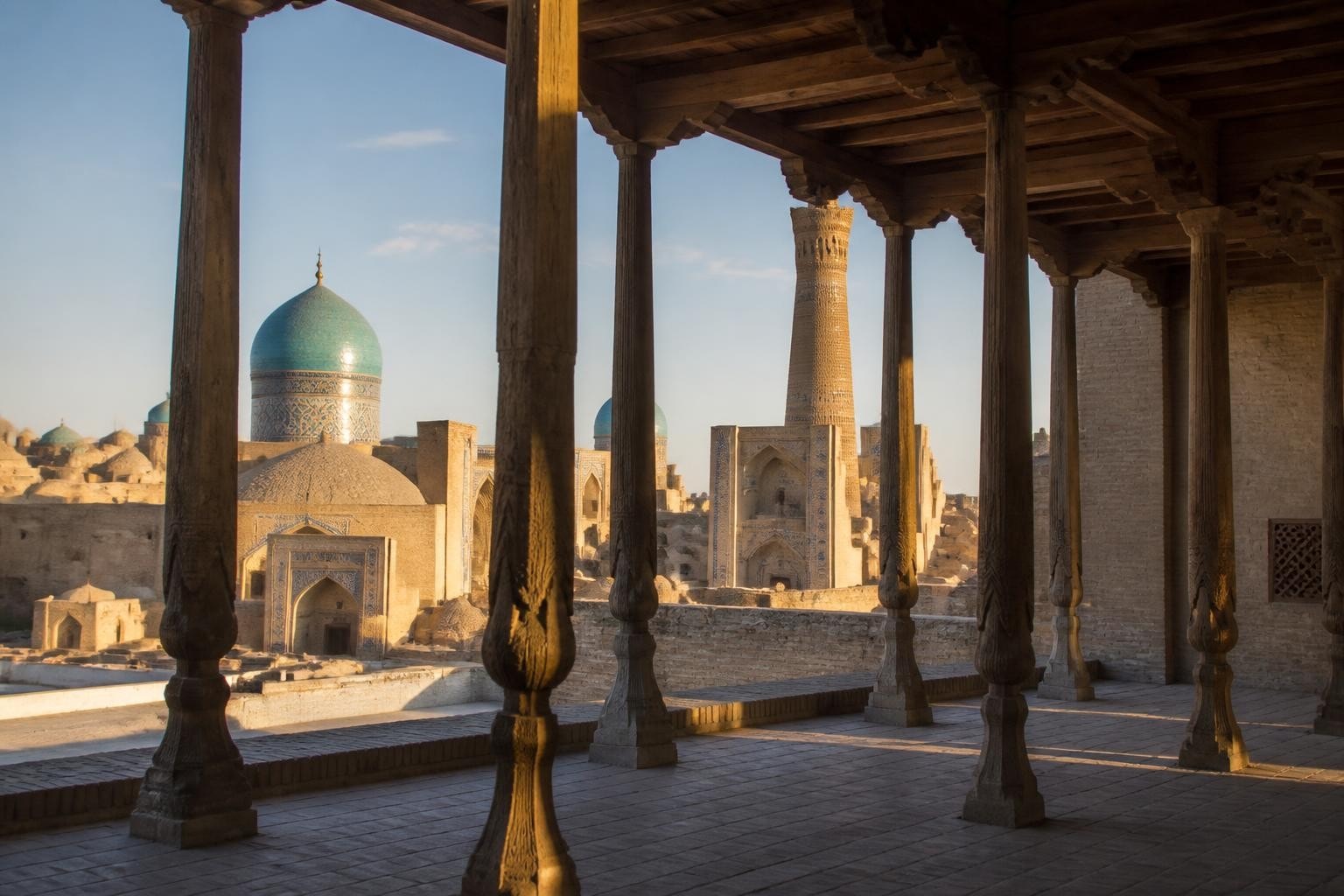
Stepping off the plane in Tashkent feels like entering a portal between centuries. The air carries whispers of caravans that once traversed these lands, laden with silk and spices. I remember my first moments in Uzbekistan, standing before the Registan Square in Samarkand, utterly speechless as the afternoon sun painted those legendary turquoise domes in shades of gold. That moment transformed how I understood travel itself. Crafting the perfect Uzbekistan travel itinerary isn't merely about ticking boxes on a bucket list. It's about threading together moments that honour the past whilst embracing the warmth of Central Asian hospitality, creating a journey that lingers in your heart long after you've returned home.
Understanding Uzbekistan's Geographic Canvas
The beauty of Uzbekistan lies in its concentration of wonders. Unlike sprawling nations where you might spend days in transit, this landlocked jewel positions its most magnificent cities within comfortable travelling distance of one another.
The classic route forms a natural loop:
- Tashkent (capital and transport hub)
- Samarkand (architectural crown jewel)
- Bukhara (living museum city)
- Khiva (desert fortress)
The distance between these cities has been revolutionised by the high-speed Afrosiyob train, transforming what once required overnight buses into comfortable three-hour journeys. Modern infrastructure meets ancient culture in the most delightful way.
Seasonal Considerations for Your Journey
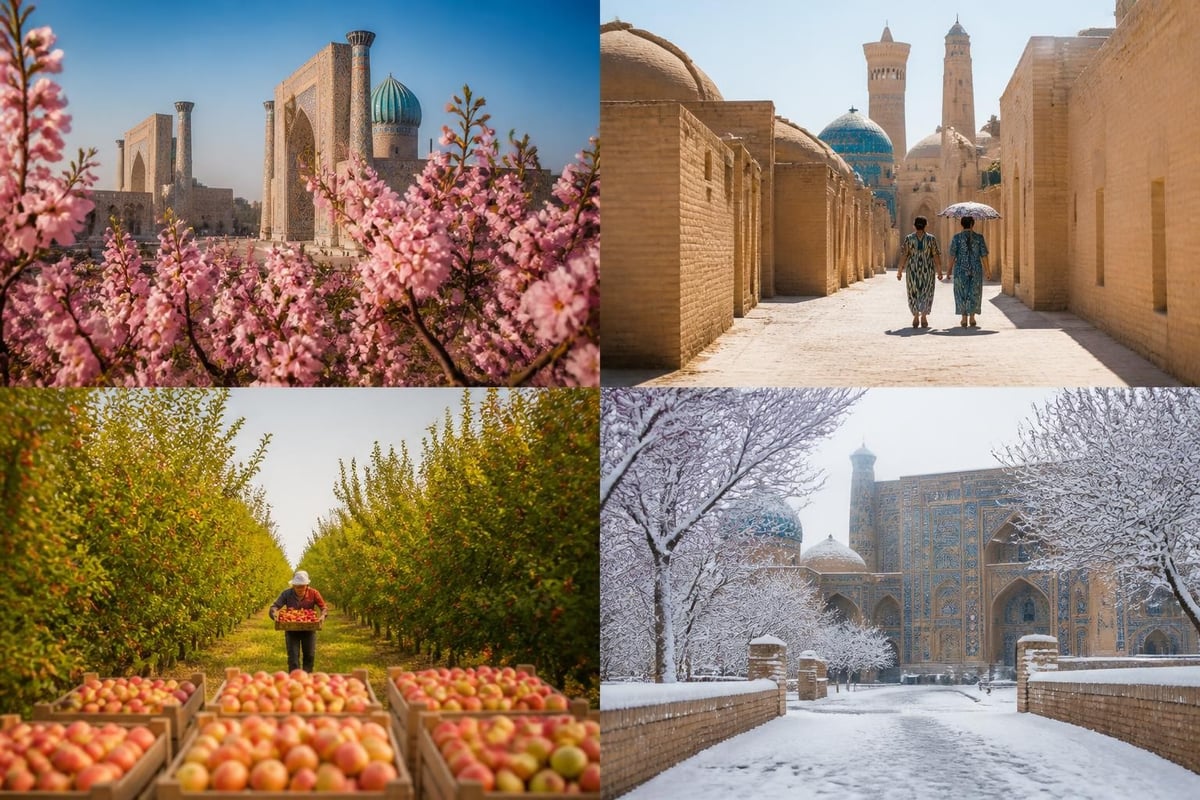
Timing shapes everything when planning a comprehensive Uzbekistan travel itinerary. Spring (April to June) paints the landscape in apricot blossoms and brings perfect temperatures ranging from 20 to 28 degrees Celsius. Autumn (September to November) offers equally pleasant weather with harvest celebrations adding cultural richness.
Summer scorches with temperatures exceeding 40 degrees, but prices drop significantly and the crowds thin. Winter brings snow to Tashkent and chilly desert nights, yet creates magical atmospheres in the ancient madrasahs.
| Season | Temperature | Advantages | Considerations |
|---|---|---|---|
| Spring | 20-28°C | Perfect weather, blooming landscapes | Popular period, book ahead |
| Summer | 35-45°C | Fewer tourists, lower prices | Extreme heat, especially in Bukhara |
| Autumn | 18-26°C | Harvest festivals, comfortable temperatures | Can be dusty in desert regions |
| Winter | 0-10°C | Atmospheric snow scenes, intimate experiences | Some sites have limited hours |
The Seven-Day Essential Uzbekistan Travel Itinerary
Seven days provides the minimum recommended duration for experiencing Uzbekistan's highlights without feeling perpetually rushed. This compact timeframe suits those with limited holiday allowances whilst still delivering profound cultural immersion.
Days 1-2: Tashkent's Modern Gateway
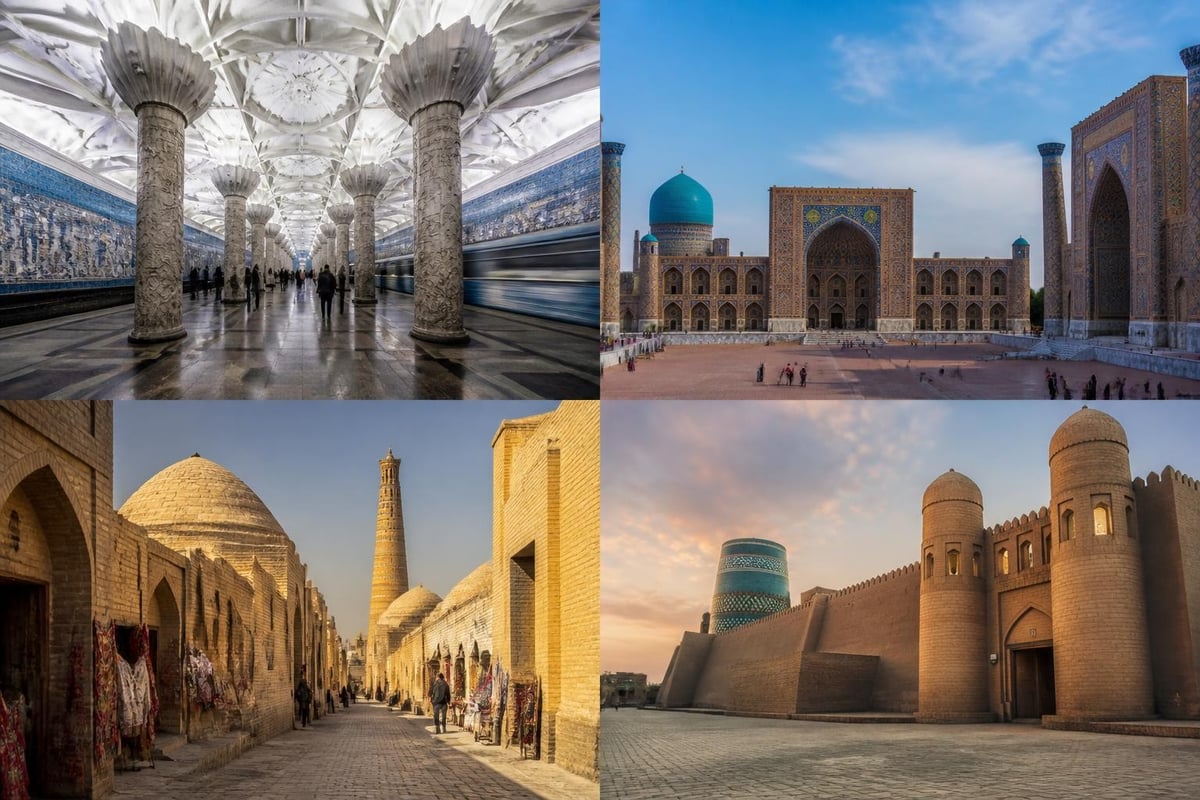
Your journey begins in Tashkent, often underestimated but surprisingly rewarding. The Soviet-era metro stations alone deserve hours of exploration, each one a subterranean palace adorned with chandeliers and mosaics. The Chorsu Bazaar erupts with sensory overload: mountains of spices, fresh bread emerging from tandoor ovens, elderly vendors hawking dried fruits.
Must-experience moments include:
- Exploring the earthquake memorial and modern Tashkent architecture
- Visiting the Applied Arts Museum for textile heritage
- Wandering through the old city's quiet mahallas
- Sampling plov at a traditional Uzbek oshxona
Allow two days here if arriving on an international flight, giving your body time to adjust whilst acclimatising to Central Asian rhythms.
Days 3-4: Samarkand's Timeless Splendour
Board the morning Afrosiyob train and arrive in Samarkand within three hours. Nothing prepares you for the Registan. Three madrasahs frame a square that has witnessed centuries of human drama, from Silk Road merchants to Soviet parades.
Detailed planning resources suggest allocating at least two full days here, and I wholeheartedly agree. Taking a free walking tour allows you to discover layers of history that guidebooks miss. Local guides share stories passed down through generations, revealing hidden courtyards and explaining the astronomical significance embedded in Islamic architecture.
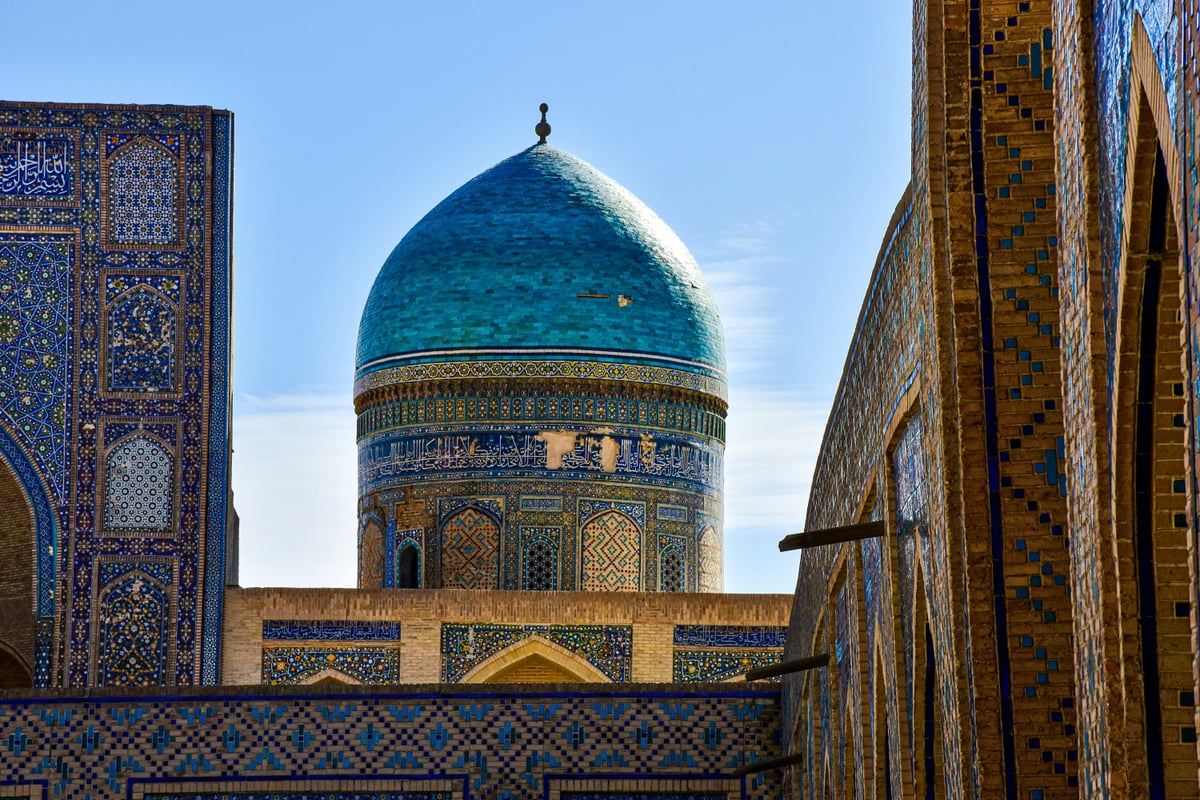
Beyond the Registan, Samarkand unfolds like a treasure chest. The Shah-i-Zinda necropolis climbs a hillside, each mausoleum more exquisitely tiled than the last. Gur-e-Amir Mausoleum houses Tamerlane himself, whilst Bibi-Khanym Mosque stands as testament to ambition and love.
Days 5-6: Bukhara's Living History
The afternoon train carries you westward to Bukhara, where time moves differently. This city hasn't simply preserved its past; it lives within it. Families still inhabit centuries-old houses within the old city walls. Artisans practice crafts their ancestors perfected generations ago.
Bukhara's essential experiences:
- Climbing the Kalyan Minaret for sunset views
- Exploring the Ark Fortress and its museums
- Discovering the trading domes and their specialised crafts
- Attending an evening performance at Nodir Devon Begi
- Bathing in the traditional hammam
The pace here encourages lingering. Sip tea in shaded chaikhanas, watching the world drift past. Bukhara teaches patience, a valuable lesson in our accelerated age.
Day 7: Khiva's Desert Fortress
Some travellers skip Khiva due to the additional journey time, sacrificing one of Central Asia's most extraordinary sights. The walled city of Itchan Kala rises from the desert like a mirage made manifest. Every building here predates the 20th century; walking these streets transports you to medieval times.
If seven days represents your limit, consider flying from Bukhara to Khiva in the morning, spending one intense day exploring, then catching an evening flight to Tashkent for your departure. Tight, yes, but Khiva's magic justifies the effort.
Extended Uzbekistan Travel Itinerary: Ten to Fourteen Days
Additional time transforms your Uzbekistan travel itinerary from highlights reel into genuine cultural immersion. Ten to fourteen days allows for unhurried exploration, day trips to lesser-known sites, and spontaneous moments that become your most treasured memories.
Adding Depth to Major Cities
With extra days, you can properly explore each location. In Samarkand, venture to the Ulugbek Observatory, where the 15th-century astronomer made calculations that rival modern precision. Take a day trip to the ancient settlement of Afrasiyab, where archaeologists continue unearthing Sogdian frescoes.
Bukhara reveals additional layers when you're not rushing. The Chor Minor's quirky four towers, the peaceful Lyab-i Hauz poolside, the Sitorai Mokhi-Khosa summer palace outside the city walls — each deserves unhurried attention.
| Extended Itinerary Structure | Days | Focus |
|---|---|---|
| Tashkent exploration | 2-3 | Museums, bazaars, day trips |
| Samarkand deep dive | 3-4 | Architecture, crafts, surrounding sites |
| Bukhara immersion | 3-4 | Old city, artisan workshops, rural excursions |
| Khiva and beyond | 2-3 | Fortress city, desert landscapes |
Exploring Beyond the Classics
The extended routes open doors to Uzbekistan's hidden treasures. The Nuratau Mountains offer hiking through traditional villages where hospitality remains genuine and tourism hasn't yet arrived. Shakhrisabz, Tamerlane's birthplace, contains ruins that dwarf even Samarkand's monuments.
Consider adding:
- Fergana Valley for silk production traditions
- Termez for Buddhist archaeological sites
- Aral Sea region for environmental education
- Chimgan Mountains for hiking and nature
These additions create a Uzbekistan travel itinerary that moves beyond Instagram moments into authentic connection.
Practical Transportation and Logistics
Transportation in Uzbekistan has improved dramatically in recent years. The Afrosiyob high-speed train connects Tashkent, Samarkand, and Bukhara with comfort that rivals European services. Book tickets online through the Uzbekistan Railways website, though this requires patience with the interface.
Train vs Bus vs Flight
For the classic route, trains dominate:
- Tashkent to Samarkand: 2-2.5 hours by fast train
- Samarkand to Bukhara: 1.5 hours by fast train
- Bukhara to Khiva: Shared taxi (5-6 hours) or fly via Urgench
Domestic flights serve longer distances efficiently. Uzbekistan Airways operates the main network, with increasingly competitive pricing. Shared taxis (marshrutkas) remain the budget option, offering cultural immersion alongside less comfort.
Wise travellers plan their routes accounting for train schedules, which don't run daily on all routes. Wednesday departures might require different planning than Saturday travel.
Accommodation Strategies Across Price Points
Uzbekistan's accommodation scene has exploded in recent years. From family-run guesthouses to international luxury chains, options suit every budget and travel style.
Budget travellers (£15-30 per night) find excellent homestays and guesthouses. These often include breakfast and provide insights into daily Uzbek life that hotels cannot match. Hosts frequently arrange drivers, share meal recommendations, and become friends.
Mid-range options (£40-80 per night) include boutique hotels in converted historic buildings. Sleeping in a 16th-century caravanserai in Bukhara, with modern comforts discreetly integrated into ancient architecture, represents the perfect fusion of comfort and authenticity.
Luxury seekers discover properties that honour Uzbek design traditions whilst providing five-star amenities. Infinity pools overlooking the Registan? They exist, though at premium prices.
Location Considerations
In Samarkand, staying near the Registan allows evening strolls through illuminated squares after tour buses depart. Bukhara's old city guesthouses place you within the living museum itself. Tashkent requires more strategic thinking; the city sprawls, so proximity to metro stations proves valuable.
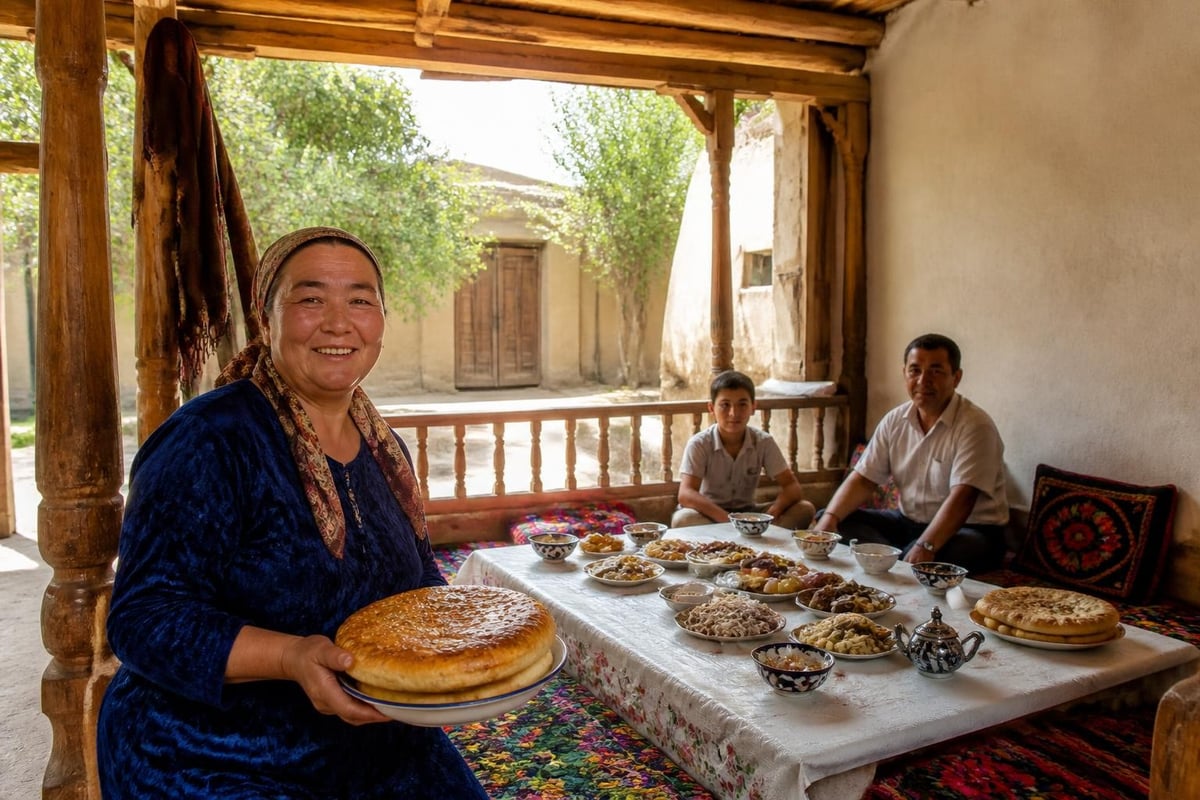
Culinary Journey: Planning Meals into Your Itinerary
Uzbek cuisine deserves dedicated attention within your Uzbekistan travel itinerary. This isn't merely fuel between monuments; food here carries cultural significance and regional variation that rewards adventurous eaters.
Essential Dishes to Track Down
Plov reigns supreme, with each region claiming superiority. Samarkand's version incorporates chickpeas and raisins. Bukhara serves theirs with quail eggs. Friday plov at Tashkent's Central Asian Plov Centre draws thousands of locals.
Beyond plov, explore:
- Lagman (hand-pulled noodles in aromatic broth)
- Manti (steamed dumplings, often filled with pumpkin)
- Shashlik (grilled meat skewers, best at local roadside stands)
- Non (flatbread from tandoor ovens, each city's version unique)
- Samsa (baked pastries with savoury fillings)
Markets provide the most authentic culinary experiences. Watch vendors prepare ashlyamfu (cold Dungan noodles) or sample seasonal fruits you've never encountered. Spring brings mulberries, summer yields melons of legendary sweetness, autumn offers pomegranates.
Dietary Considerations and Tea Culture
Vegetarians navigate Uzbekistan with moderate ease, though meat dominates traditional dishes. Specify "мясо не надо" (myaso ne nado — no meat needed) and you'll find vegetable options. Vegan travel requires more planning, as dairy features prominently.
Tea culture permeates daily life. Green tea accompanies every meal, served in porcelain pots with rituals around pouring and receiving. Chaikhanas (teahouses) function as social hubs where men gather for hours of conversation over endless cups.
Cultural Etiquette and Responsible Travel
Understanding local customs enriches your Uzbekistan travel itinerary whilst showing respect for your hosts. Uzbek culture values hospitality above nearly everything, creating warmth toward visitors that can feel overwhelming in its generosity.
Dress and Behavior Guidelines
Modest dress matters, particularly at religious sites:
- Cover shoulders and knees when entering mosques
- Women should carry a headscarf for active religious sites
- Remove shoes before entering sacred spaces and homes
Physical affection between couples draws disapproving glances in public spaces. Handshakes between genders occur less frequently than in Western cultures; follow local leads.
Photography requires sensitivity. Always ask permission before photographing people, especially women. Some sites prohibit photography or charge fees; respect these rules even when others ignore them.
Supporting Local Communities
Responsible travel in Uzbekistan means directing money toward local people rather than international chains. Purchase crafts directly from artisans in their workshops. Hire local guides who share deeper insights than any guidebook. Stay in family guesthouses where your spending directly impacts household economics.
Planning thoughtfully includes considering your impact on fragile historic sites and local communities. While destinations like Africa Wild Safaris demonstrate how immersive safari experiences can be designed with sustainability at their core, Uzbekistan offers similar opportunities to travel consciously through its ancient cities and rural communities.
Budget Planning: What Costs to Expect
Uzbekistan remains remarkably affordable compared to Western destinations, though prices have risen as tourism increases. A realistic budget depends heavily on your accommodation choices and dining preferences.
Daily budget estimates per person (2026):
| Budget Level | Accommodation | Meals | Transport | Activities | Daily Total |
|---|---|---|---|---|---|
| Budget | £15-25 | £8-15 | £5-10 | £5-10 | £35-60 |
| Mid-range | £40-70 | £20-35 | £15-25 | £15-25 | £90-155 |
| Luxury | £100+ | £40+ | £30+ | £30+ | £200+ |
Entrance fees to major sites range from £2-6. Private guides cost £25-50 for half-day tours. The excellent value means you can experience more without financial stress.
Money Matters and Payment
Cash dominates, though cards gain acceptance in larger hotels and restaurants. Bring US dollars or euros to exchange; pounds sterling face less favourable rates. ATMs exist in major cities but can be temperamental; carry sufficient cash between destinations.
Sum notes come in large denominations; accumulating change requires strategic thinking. Small purchases at bazaars help build your stash of smaller notes for taxis and street food.
Creating Your Personal Uzbekistan Travel Itinerary
The perfect Uzbekistan travel itinerary balances must-see highlights with personal interests and realistic pacing. Some travellers prioritise architecture and history. Others seek culinary adventures or craft traditions. Identify your passions and weight your schedule accordingly.
Flexible vs Structured Planning
I've witnessed two approaches succeed beautifully. Structured planners book every hotel, train, and guide in advance, creating security and efficiency. Flexible wanderers arrive with rough outlines, making decisions based on recommendations and circumstances.
Your travel style should guide this choice. First-time visitors to Central Asia might appreciate pre-booking major elements whilst leaving days unscheduled for spontaneity. Experienced independent travellers often thrive with minimal advance planning.
Key elements to pre-book:
- International and domestic flights
- Fast train tickets during peak season
- Accommodation in Khiva (limited options)
- Any specific experiences (cooking classes, private guides)
Everything else remains bookable on the ground, often at better prices than online.
Seasonal Festivals and Events
Aligning your Uzbekistan travel itinerary with festivals adds extraordinary cultural depth. Navruz (Persian New Year, March 21) transforms cities with celebrations, traditional games, and special foods. Silk and Spice Festival in Bukhara (late May) showcases crafts and performances.
Independence Day (September 1) brings parades and festivities. Ramadan shifts annually; during this period, restaurant hours change and eating in public during daylight shows poor form, though non-Muslim travellers aren't expected to fast.
Health, Safety, and Practical Considerations
Uzbekistan ranks among Central Asia's safest destinations. Violent crime against tourists remains exceptionally rare. Standard precautions suffice: don't flash wealth, remain aware in crowded bazaars, keep valuables secured.
Health Preparations
No vaccinations are mandatory, though hepatitis A, typhoid, and routine boosters make sense. Tap water shouldn't be consumed; bottled water costs pennies. Stomach upsets occasionally occur as your system adjusts to new bacteria and cooking methods. Pack standard medications for common ailments.
Summer heat poses the primary health risk. Dehydration sneaks up quickly when exploring under relentless sun. Carry water constantly, seek shade during peak afternoon hours, and adjust your pace to the climate.
Travel insurance covering medical evacuation provides peace of mind. Healthcare facilities in major cities handle routine issues; serious problems might require evacuation to better-equipped nations.
Internet and Communication
Wi-Fi exists in most hotels and many restaurants, though speeds vary wildly. Purchasing a local SIM card (Ucell or Beeline) costs roughly £5-10 and provides reliable data throughout the country. This connectivity proves invaluable for navigation, translations, and staying connected with home.
WhatsApp works perfectly for international communication without roaming charges. Download offline maps before arrival; Google Maps functions well in major cities but gaps exist in rural areas.
Beyond Tourism: Connecting with Contemporary Uzbekistan
The most memorable Uzbekistan travel itinerary moments often occur off the beaten path. Accept that tea invitation from the shopkeeper. Ask about daily life, family structures, changing traditions. Uzbeks take genuine pride in their heritage and eagerly share it with interested visitors.
Modern Uzbekistan balances rapid development with cultural preservation. Young people speak multiple languages and engage with global culture whilst maintaining deep respect for traditions. The country's trajectory fascinates: liberalisation, growing tourism infrastructure, and economic reform creating visible changes year over year.
Learning basic Russian or Uzbek phrases opens doors that remain closed to English-only tourists. "Rahmat" (thank you), "Assalomu alaykum" (peace be upon you), and "Qancha turadi?" (how much does it cost?) demonstrate respect that people genuinely appreciate.
Uzbekistan reveals itself slowly, in layers of turquoise tile and teacup conversations, through shared meals and ancient stones worn smooth by centuries of footsteps. The perfect Uzbekistan travel itinerary isn't measured in monuments visited but in connections made and perspectives shifted. When you're ready to transform guidebook knowledge into lived experience, Visit Samarkand offers walking tours that unlock the city's hidden stories and historical depths, connecting you with local guides whose passion brings these ancient streets to vivid life.