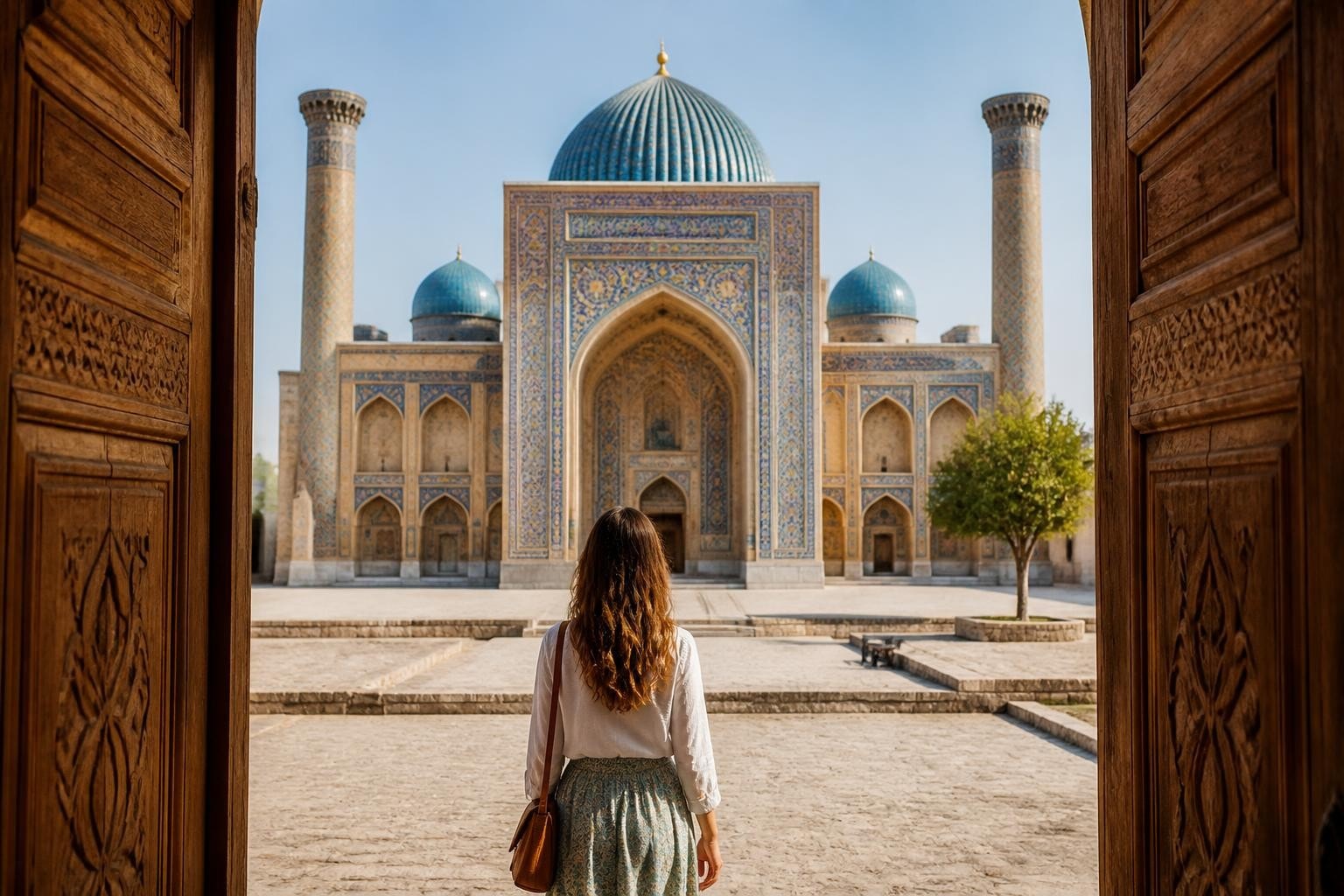
When I first mentioned Uzbekistan to friends back in London, I was met with blank stares and polite confusion. "Is that near Pakistan?" one asked. "Do they speak Russian there?" ventured another. Fast-forward to 2026, and the conversation has shifted dramatically. This landlocked treasure at the heart of Central Asia has emerged as one of the world's most compelling cultural destinations, and the question on everyone's lips is now: uzbekistan what to see? The answer unfolds across turquoise domes, desert fortresses, and mountain valleys that have witnessed empires rise and fall for millennia.
The Jewel of the Silk Road: Samarkand
Samarkand isn't just a city. It's a fever dream rendered in cobalt tile and golden light.
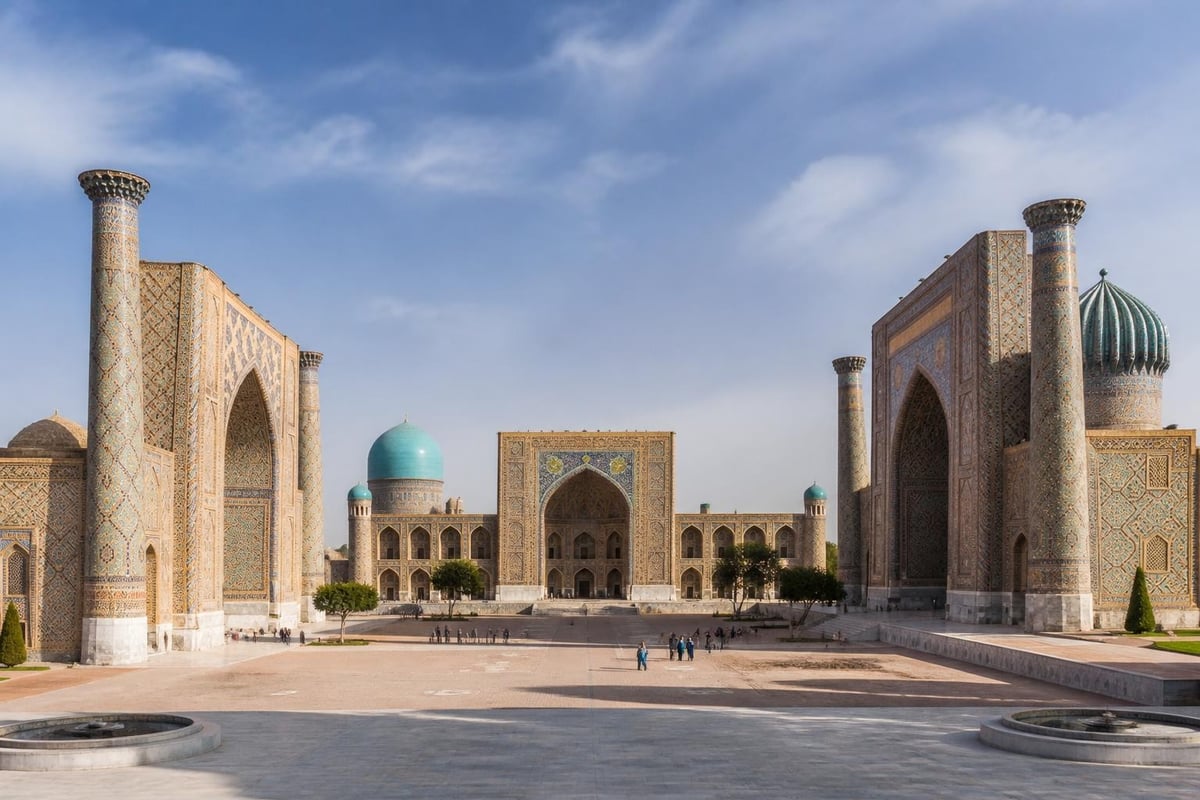
When you stand before the Registan, watching three madrasas frame a square that once hosted public executions, poetry recitals, and camel caravans laden with Chinese silk, you understand why Alexander the Great reportedly said: "Everything I have heard about Samarkand is true, except that it's more beautiful than I ever imagined."
The reality of exploring Samarkand in 2026 has been transformed by initiatives like Visit Samarkand, which offers free walking tours that unlock the city's hidden narratives. These guided excursions reveal not just the headline attractions but the tucked-away courtyards, artisan workshops, and neighbourhood teahouses where the city's soul truly resides.
Essential Samarkand Sights
Must-visit monuments include:
- Registan Square: Three madrasas (Ulugh Beg, Sher-Dor, Tilya-Kori) surrounding a space that defined Central Asian architecture
- Gur-e-Amir Mausoleum: Timur's resting place, featuring geometric perfection in tile work
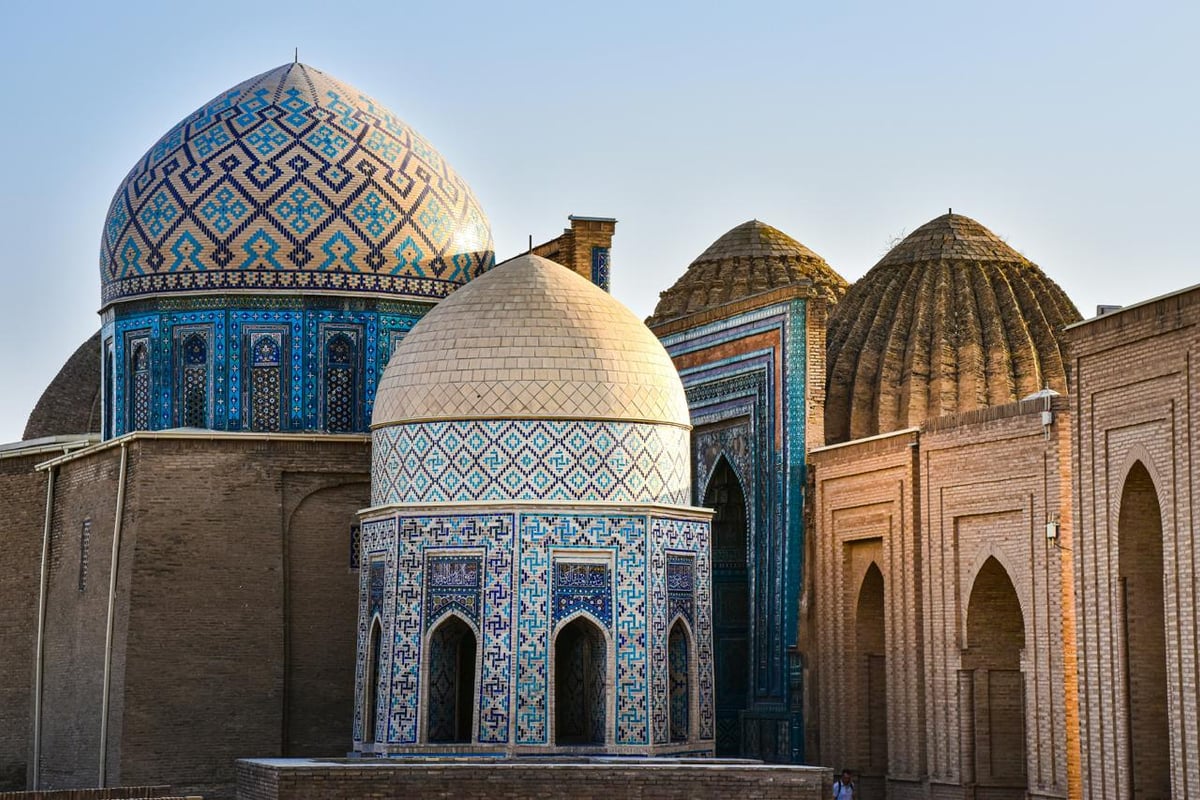
- Shah-i-Zinda: A necropolis of 11 mausoleums climbing a hillside, each more breathtaking than the last
- Bibi-Khanym Mosque: Once the Islamic world's grandest mosque, now a haunting beauty
The morning light transforms these monuments. I learned this the hard way, arriving at Shah-i-Zinda at midday during my first visit, when the sun bleached everything white. Return at dawn, and the tilework glows like jewels underwater.
| Monument | Best Visit Time | Ticket Price (2026) | Crowd Level |
|---|---|---|---|
| Registan Square | Sunrise or evening | 40,000 som | High |
| Shah-i-Zinda | Early morning | 30,000 som | Medium |
| Gur-e-Amir | Mid-morning | 25,000 som | Low-Medium |
| Bibi-Khanym | Late afternoon | 25,000 som | Medium |
Bukhara: Where Time Stopped for Tea
If Samarkand dazzles with grandeur, Bukhara seduces with intimacy. This city feels like someone preserved an entire medieval Silk Road trading post and simply forgot to modernise it.
The old quarter remains remarkably intact, a labyrinth of sandy-coloured lanes where the distinction between "museum" and "living city" dissolves entirely. People still worship in mosques built when England was ruled by Anglo-Saxons. Craftsmen hammer copper in the same workshops their great-great-grandfathers inherited.
Bukhara's Architectural Treasures
When considering uzbekistan what to see, Bukhara's density of historical architecture is staggering. Within a few square kilometres, you'll encounter:
- The Ark Fortress: A massive citadel where emirs ruled for a thousand years
- Poi Kalyan Complex: Featuring the Kalyan Minaret, which Genghis Khan spared because its beauty moved him
- Lyabi-Hauz: A plaza built around a 17th-century pool, now lined with mulberry trees and teahouses
- Trading Domes: Covered bazaars specialising in different goods (Toki Sarrafon for moneychangers, Toki Tilpak Furushon for hats)
The city's cultural heritage extends beyond individual monuments. Bukhara was a centre of Islamic learning for centuries, and you can still feel that scholarly tradition in the madrasas, some of which function as craft centres today.
I spent an afternoon watching a miniature painter at work in the courtyard of Mir-i-Arab Madrasa. His brush moved with the precision of a surgeon, adding gold leaf to a hunting scene that would have looked at home in a 16th-century manuscript. "My grandfather taught me," he said simply. "His grandfather taught him."
Khiva: The Open-Air Museum
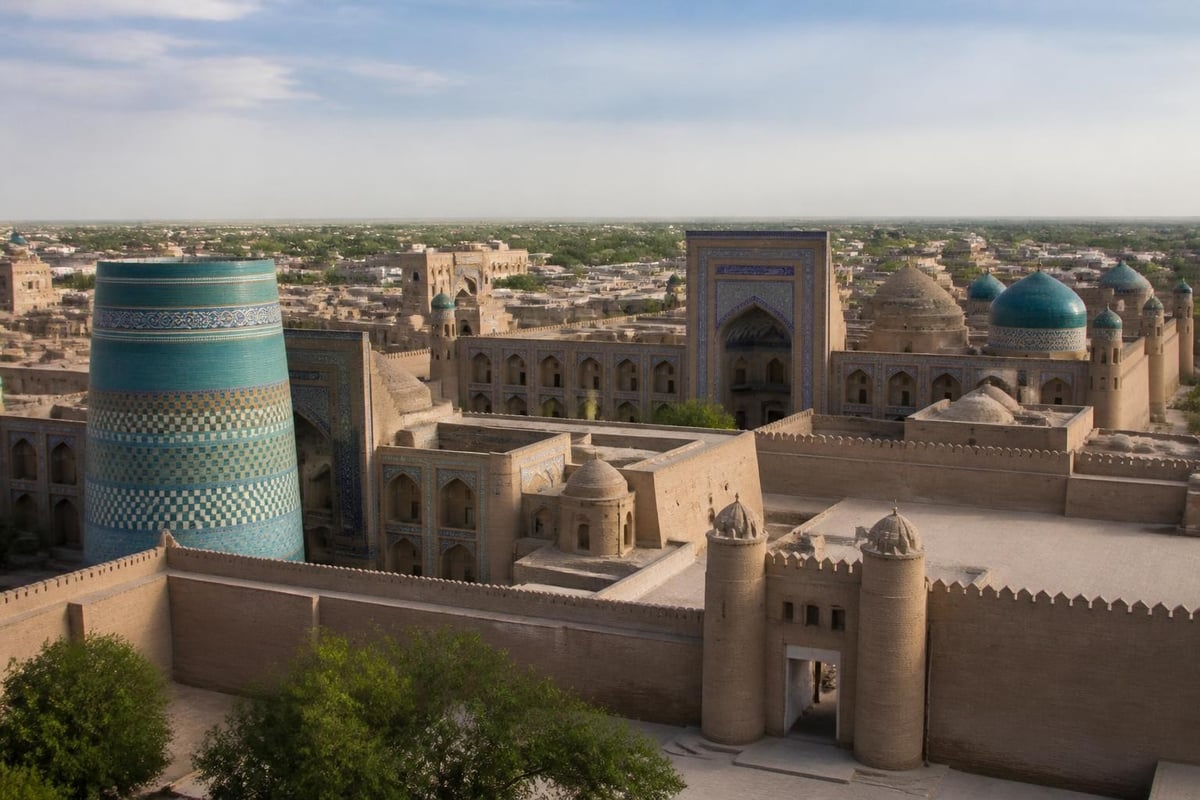
Khiva is what happens when an entire city becomes a UNESCO World Heritage Site. Encircled by crenellated walls of baked mud, Itchan Kala (the inner town) feels like stepping into a film set, except this authenticity can't be faked.
What makes Khiva essential viewing:
- The most concentrated collection of monuments in Central Asia
- Remarkably intact medieval urban layout
- Stunning photography opportunities from the city walls at sunset
- Quieter than Samarkand or Bukhara, allowing contemplative exploration
The Kalta Minor Minaret dominates the skyline, its turquoise tiles gleaming like a ceramic trophy. It was meant to be the tallest minaret in the Islamic world, but the khan who commissioned it died, and construction stopped. Now it stands as a beautiful failure, stubby and incomplete.
Climb the city walls before sunset. The light turns everything amber-gold, and you can trace the geometry of streets unchanged since the days when this was the final stop before the terrifying Karakum Desert crossing.
Beyond the Classic Trio: Hidden Uzbekistan
Here's where uzbekistan what to see becomes genuinely exciting. While Samarkand, Bukhara, and Khiva rightfully claim the spotlight, Lonely Planet’s recent guide highlights lesser-known destinations that offer equally compelling experiences without the crowds. For practical entry details, see our guide to Uzbekistan visa-free travel in 2026 before you book.
The Fergana Valley
This fertile valley, nearly enclosed by mountains, developed its own distinct culture. The cities here-Margilan, Kokand, Rishtan-specialise in silk weaving, ceramics, and palace architecture that feels markedly different from the Timurid monuments further west.
Fergana Valley highlights:
| City | Speciality | Key Attraction |
|---|---|---|
| Margilan | Silk production | Yodgorlik Silk Factory |
| Kokand | Palace architecture | Khudayar Khan Palace |
| Rishtan | Ceramics | Traditional pottery workshops |
Visit a workshop in Margilan where they still make atlas silk using patterns passed down through families. The colours-acid greens, shocking pinks, electric blues-assault your eyes in the best possible way.
Nukus and the Dying Aral Sea
In Uzbekistan's autonomous Karakalpakstan region lies one of the world's most unexpected art collections. The Savitsky Museum in Nukus holds the second-largest collection of Russian avant-garde art outside St Petersburg, amassed by a maverick collector who spirited forbidden artworks to this remote city during Stalin's purges.
Beyond the museum, the ecological tragedy of the Aral Sea unfolds at Moynaq. Rusted fishing boats sit marooned in desert that was once seabed. It's haunting and essential viewing for understanding Central Asia's environmental challenges.
The Mountains: Chimgan and Beyond
Not all of Uzbekistan is desert and tilework. The Tian Shan mountains near Tashkent offer hiking, skiing, and alpine scenery that surprises visitors expecting only sand and monuments.
During summer 2026, I hiked the Gulkam Canyon, following a crystal stream through wildflower meadows while shepherds moved their flocks to higher pastures. This was uzbekistan what to see for those who crave nature alongside culture.
Tashkent: The Capital Rebuilt
Tashkent doesn't enchant like Samarkand or seduce like Bukhara. Flattened by a devastating earthquake in 1966, it was rebuilt as a Soviet showpiece of wide boulevards, modernist architecture, and one of the world's most beautiful metro systems.
Why Tashkent deserves your time:
- Chorsu Bazaar: A massive domed market where you can buy everything from fresh pomegranates to handwoven carpets
- The Metro: Each station is a artwork, with themes ranging from space exploration to Uzbek cotton
- Hazrati Imam Complex: Houses one of the world's oldest Qurans, dating to the 7th century
- Modern Uzbek cuisine: Restaurants experimenting with traditional recipes in contemporary ways
The city has embraced its role as Central Asia's emerging hub. New cafés serve specialty coffee roasted in-country. Art galleries showcase contemporary Uzbek artists working in mediums that would have scandalised their grandparents.
Practical Wisdom for Modern Silk Road Travellers
Understanding uzbekistan what to see requires some practical context for 2026 travel conditions. The country has dramatically simplified visa requirements, with most Western visitors now enjoying 30-day visa-free entry.
Getting Around
Transport options ranked by experience:
- High-speed train (Afrosiyob): Connects Tashkent, Samarkand, and Bukhara in air-conditioned comfort
- Shared taxis: Faster than buses, affordable, culturally immersive (bring earplugs for the music)
- Domestic flights: Quick but you miss the landscape transformations
- Rental car: Freedom to explore, but roads and signage vary wildly in quality
The Afrosiyob train transformed Uzbek travel when it launched. What was once a gruelling eight-hour road journey from Tashkent to Samarkand now takes just over two hours through desert and steppe that scrolls past your window like a documentary.
When to Visit
Spring (April-May) and autumn (September-October) offer ideal conditions. Summer sees temperatures regularly exceeding 40°C, while winter can be surprisingly cold in cities built around courtyards designed for shade.
Monthly snapshot:
- April-May: Mild weather, fruit trees blossoming, moderate crowds
- June-August: Scorching heat, lower prices, early mornings essential
- September-October: Perfect temperatures, harvest season, higher prices
- November-March: Cold, fewer tourists, authentic winter experience
Cultural Experiences Beyond Sightseeing
The monuments answer the question of uzbekistan what to see, but lived experiences reveal the country's soul. Much like how guided sightseeing tours in other historic cities help visitors understand local narratives beyond architecture, engaging with Uzbek culture means stepping into workshops, homes, and traditions.
Craftsmanship Alive
Uzbekistan maintains craft traditions that have died elsewhere. In Bukhara's metalworking district, coppersmiths create ewers and plates using techniques documented in 16th-century texts. Margilan's silk weavers still extract dyes from plants: pomegranate skins for yellow, indigo for blue, madder root for red.
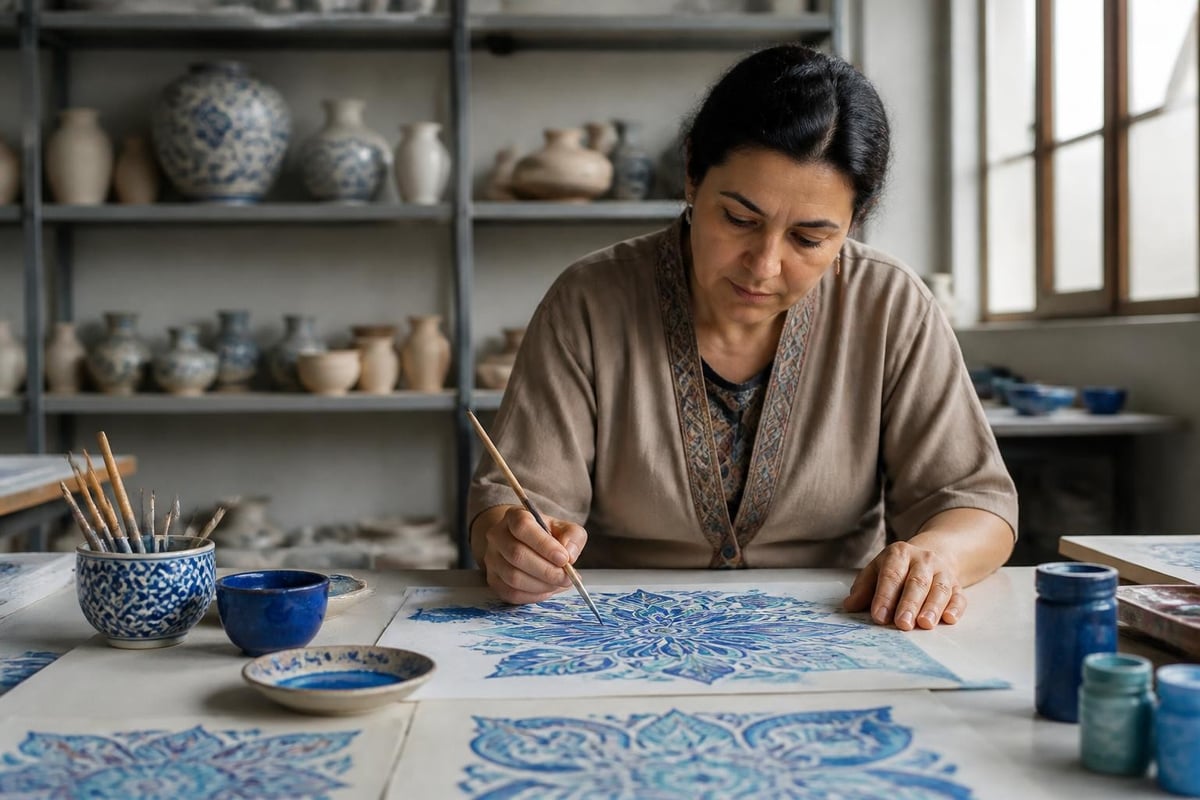
Watching a master ceramicist in Rishtan paint floral motifs with a brush of camel hair, I realised these aren't museum pieces. People use these plates, drink from these cups, hang these suzani embroideries in their homes.
The Hospitality Ritual
You'll be invited for tea. Accept. The Uzbek tea ceremony involves green tea poured from pot to cup and back three times before serving, ensuring proper strength and temperature. It's served with sweets, bread, and conversation that can stretch for hours.
I was invited to a home in a mahalla (traditional neighbourhood) in Samarkand. The matriarch, whose garden produced grapes, pomegranates, and apricots, served a plov she'd started preparing at dawn. We ate from a communal plate, spoke a mixture of broken Russian and enthusiastic hand gestures, and I left with pressed flowers from her garden wrapped in newspaper.
How Tourism is Evolving
National Geographic’s recent feature on Uzbekistan's Silk Road revival documents how the country is balancing preservation with development. New boutique hotels occupy restored caravanserais, while international hotel chains establish beachheads in Tashkent.
The changes are deliberate. According to analysis by Euronews, Uzbekistan actively seeks tourists who will stay longer and explore deeper, rather than merely photographing the Registan and moving on.
This strategy shows in infrastructure improvements: better signage, more English-speaking guides, restored monuments that had been left to crumble. The UNWTO’s country report notes that tourist numbers have grown exponentially, yet the country still feels blissfully uncrowded compared to other heritage destinations.
Safety and Accessibility
Current travel advice from the UK government notes that Uzbekistan is generally very safe for tourists, with low crime rates and welcoming locals. The main challenges are linguistic rather than security-related.
Practical tips that matter:
- Download offline maps (internet can be spotty outside cities)
- Carry cash (cards accepted in cities, useless in villages)
- Learn basic Russian or Uzbek phrases (English speakers remain scarce outside tourist areas)
- Dress modestly when visiting religious sites (shoulders and knees covered)
- Bargain at bazaars (it's expected and part of the social interaction)
The Silk Road Context
Understanding what makes uzbekistan what to see so special requires appreciating its Silk Road heritage. For over a thousand years, these cities were where Chinese merchants met Persian traders, where Buddhist pilgrims debated with Muslim scholars, where technologies and ideas transferred between civilizations.
The BBC's travel feature on Uzbekistan’s Silk Road revival captures how this history still shapes the present. The architectural genius you see in Samarkand's monuments resulted from centuries of cultural cross-pollination. The diverse faces in any Uzbek crowd reflect millennia of migration and mixing.
Walking through Bukhara's trading domes, I imagined the conversations that must have happened there. A Venetian merchant explaining perspective drawing to a Persian miniaturist. A Chinese silk trader tasting wine from Samarkand's vineyards for the first time. An Arab mathematician sharing new algebraic techniques with local scholars.
That cosmopolitan energy hasn't entirely disappeared. In Tashkent's modern cafés, you'll find Korean-Uzbeks, Russian expats, European aid workers, and local entrepreneurs sharing tables and stories.
Food: The Edible Heritage
No discussion of uzbekistan what to see should ignore what you'll taste. Uzbek cuisine combines Central Asian heartiness with Persian sophistication and nomadic practicality.
Essential dishes to seek out:
- Plov (osh): Rice pilaf with lamb, carrots, and aromatics, prepared differently in each region
- Shashlik: Grilled meat skewers, ideally lamb or beef, cooked over wood coals
- Lagman: Hand-pulled noodles in spiced broth, showing Chinese influence
- Somsa: Triangular pastries filled with meat, pumpkin, or potato
- Manti: Steamed dumplings, typically filled with lamb and pumpkin
The best plov I ate came from a street vendor in Samarkand's Siyob Bazaar, served at 10 AM (traditional plov is breakfast food) from a kazan the size of a bathtub. He'd been cooking since 5 AM, and by noon he'd be sold out.
From the mathematical perfection of Samarkand's domes to the intimate workshops where silk comes to life thread by thread, Uzbekistan rewards every type of traveller with depth, beauty, and genuine warmth. Whether you're tracing the footsteps of Silk Road caravans or simply seeking somewhere that hasn't been Instagrammed to death, this is your moment to explore before the rest of the world catches on. Visit Samarkand can help you dive deeper into these stories, offering both free and paid walking tours that transform monuments into narratives and streets into living history.