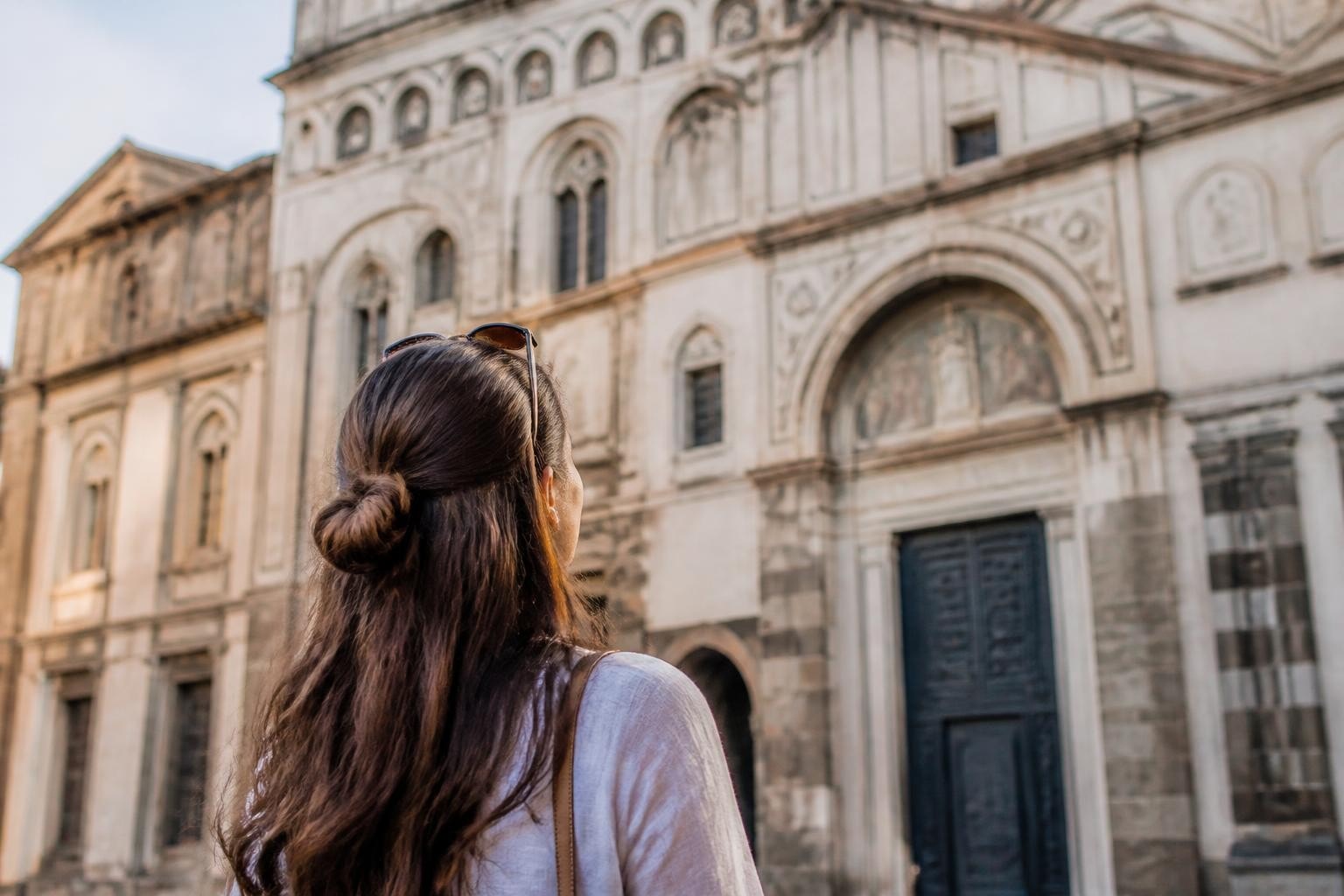
There's something magical about watching tourists wander through your city, cameras in hand, marvelling at buildings you pass every day without a second glance. They stop at monuments you've never visited, photograph street corners you consider ordinary, and discover restaurants you didn't know existed despite living five minutes away. This phenomenon has given rise to a beautiful paradox: the local tourist. Someone who chooses to explore their own city with the curiosity and wonder of a first-time visitor, uncovering layers of history, culture, and beauty that familiarity had hidden in plain sight.
The Art of Seeing What's Always Been There
The concept of being a local tourist isn't about pretending you don't know where you live. It's about deliberately shedding the autopilot mode that governs our daily commutes and routines.
When you walk the same streets every day, your brain creates shortcuts. You stop noticing architectural details, historical plaques, and the small stories written into your city's fabric. This cognitive efficiency helps us function, but it also blinds us to the extraordinary hiding within the ordinary.
Breaking the Familiarity Trap
Becoming a local tourist requires a conscious shift in perspective:
- Choose unfamiliar routes to familiar destinations
- Read historical markers you've walked past hundreds of times
- Enter buildings you've only ever seen from outside
- Strike up conversations with shopkeepers and long-time residents
- Take photographs of everyday scenes as if documenting them for someone who's never been there
This deliberate reframing transforms the mundane into the remarkable. That corner café becomes a gathering place with decades of stories. The old bridge you cross daily reveals itself as an engineering marvel from another era.
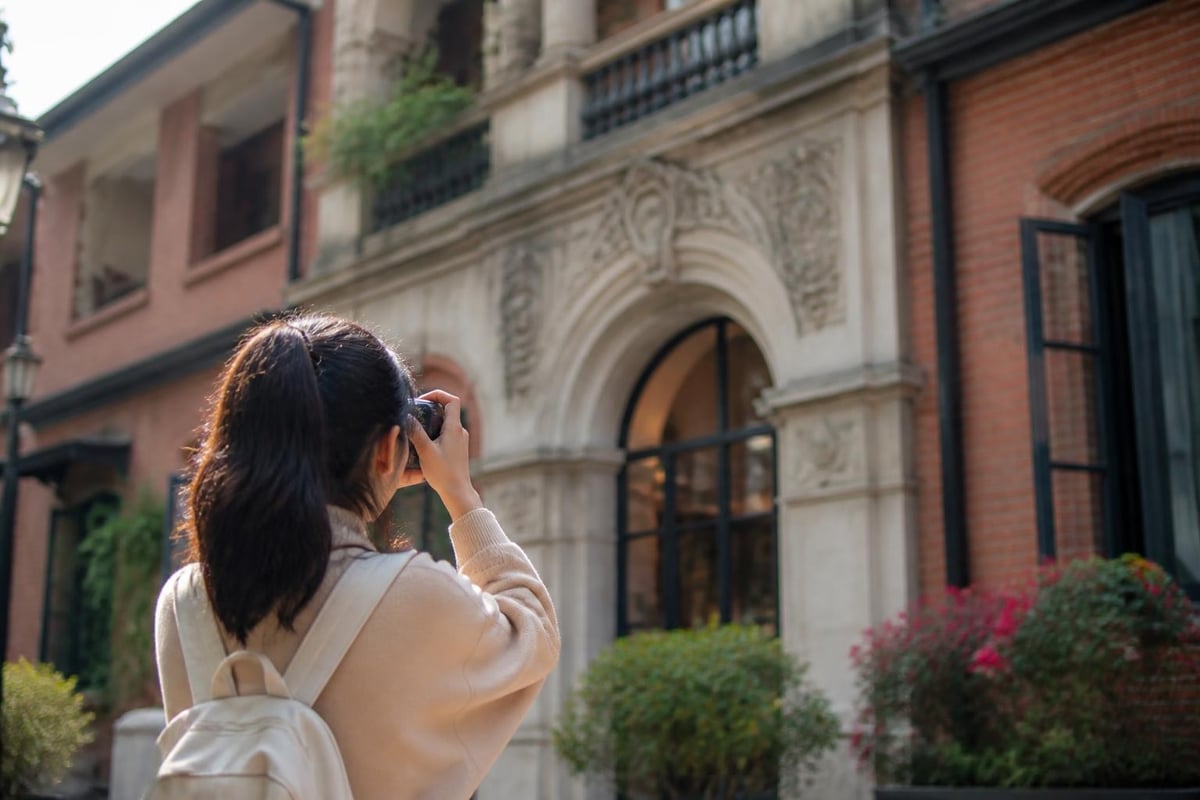
According to research on the economic value of tourism, domestic and local tourism contributes significantly to regional economies, often overlooked in favour of international visitor statistics. When residents explore their own cities, they support local businesses, preserve cultural heritage, and strengthen community bonds.
Why We Need to Become Tourists at Home
The local tourist phenomenon has grown considerably, particularly as people reassess their relationship with travel in 2026. What started as a necessity during global disruptions has evolved into a deliberate lifestyle choice.
The Benefits Nobody Talks About
Exploring your own city offers advantages that international travel simply cannot match:
| Benefit | Local Tourist Advantage |
|---|---|
| Cost | Minimal transport and accommodation expenses |
| Time | No long-haul flights or jet lag recovery |
| Flexibility | Spontaneous visits and repeat experiences |
| Depth | Multiple visits allow deeper understanding |
| Sustainability | Lower carbon footprint and environmental impact |
The World Health Organization’s analysis of the health and tourism nexus highlights how local, accessible tourism can improve well-being, reduce stress, and promote physical activity without the health risks associated with international travel.
Building Emotional Geography
When you explore your city as a local tourist, you're not just sightseeing. You're building what geographers call "emotional geography" — a rich, layered understanding of place that connects personal experience with collective history.
Walking through ancient marketplaces, you begin to sense the rhythm of centuries. Standing before monuments, you feel the weight of decisions made by people long gone. These aren't abstract historical facts anymore; they're stories woven into your daily landscape.
Practical Strategies for the Local Tourist
Transforming yourself into a local tourist doesn't require elaborate planning or expensive equipment. It does require intention and a willingness to feel slightly silly photographing things your neighbours ignore.
Start with Guided Experiences
Even in your own city, guided tours offer incredible value. Professional guides share stories you'd never discover alone, point out details you'd never notice, and connect historical dots in unexpected ways.
Taking a free walking tour in your own city might feel strange at first, but it's one of the most effective ways to reset your perspective. You'll walk familiar streets while hearing unfamiliar stories, seeing your everyday environment through a curator's eyes rather than a commuter's hurry.
Create Your Own Discovery Projects
Between guided experiences, develop personal exploration projects:
- Photograph one architectural detail daily for a month
- Visit every museum in your city systematically
- Try a new neighbourhood café each weekend
- Document street art and public sculptures with their stories
- Interview long-time residents about how places have changed
- Map historical events to current locations
These projects give structure to your wandering and create compelling documentation of your discoveries.
The Cultural Renaissance of Local Tourism
Cities around the world are recognising the local tourist as a vital audience. Museums offer resident discount programmes. Historical societies create special events for locals. Walking tour companies design experiences specifically for people who think they already know everything.
Supporting Sustainable Tourism
The Global Sustainable Tourism Council guidelines emphasise that sustainable tourism must benefit local communities first. When residents become tourists in their own cities, they directly support this principle.
You're not extracting value from your community and taking it elsewhere. You're circulating it within the local economy:
- Restaurant meals fund your neighbours' businesses
- Museum tickets support conservation of shared heritage
- Walking tour fees train local guides and historians
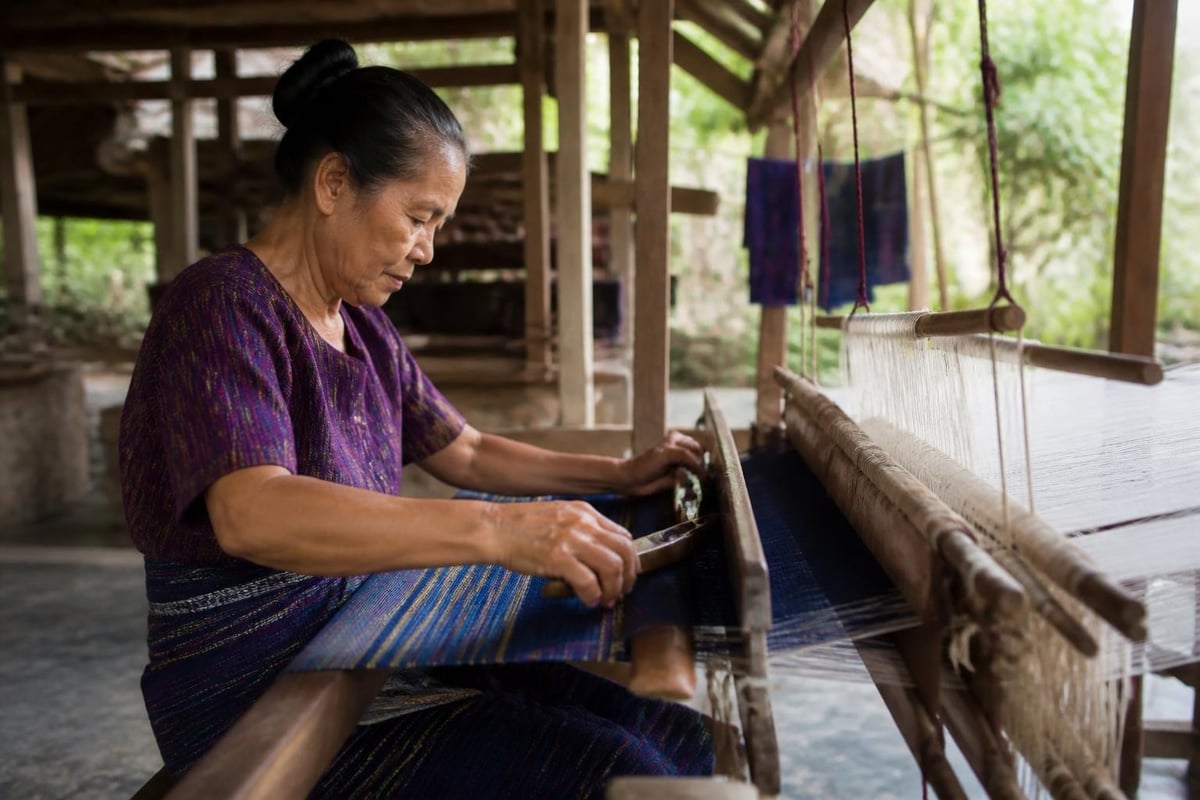
- Souvenir purchases keep traditional crafts alive
This economic circulation creates jobs, preserves culture, and strengthens the social fabric that makes places worth visiting in the first place.
Discovering Hidden Gems
Every city contains layers of lesser-known treasures. As a local tourist, you have time to find them.
The tiny courtyard garden tucked behind a busy street. The craftsperson's workshop on the third floor of an unmarked building. The viewpoint locals use for sunset watching. The bakery that's been using the same recipe since 1947. These are often the hidden gems nearby that our guide to exploring nearby places helps you find.
These discoveries don't appear in guidebooks because they're too small, too specialised, or too local. But they're often the most meaningful experiences, the moments that transform a city from a place you inhabit into a place you truly know.
Creating Local Tourist Rituals
The most successful local tourists don't just take occasional heritage walks. They build regular practices into their lives.
Monthly Discovery Days
Designate one day each month as your local tourist day:
- Plan nothing beyond choosing a neighbourhood you'll explore
- Leave your usual schedule completely behind
- Dress comfortably for walking and discovery
- Bring a camera or sketchbook to document findings
- Allow serendipity to guide your route
This ritual creates anticipation and ensures you're consistently discovering new dimensions of your city.
Seasonal Celebrations
Cities change dramatically with the seasons. The local tourist recognises this and celebrates it:
- Spring: Garden trails and blossom walks
- Summer: Outdoor concerts and night markets
- Autumn: Historical cemetery tours and harvest festivals
- Winter: Architectural details revealed by bare trees
According to the World Bank’s Tourism Watch, seasonal variation in tourism creates both challenges and opportunities for destinations. As a local tourist, you can visit during quieter periods, reducing overcrowding and enjoying more intimate experiences.
The Social Dimension of Local Tourism
Being a local tourist doesn't mean wandering alone. In fact, it often creates wonderful opportunities for connection.
Sharing Your City
When friends or family visit from elsewhere, you're suddenly forced to see your city through their eyes. These visits can be transformative if you approach them with a local tourist mindset.
Instead of taking visitors to the same three famous sites everyone photographs, curate experiences that reveal your city's unique character. Mix well-known landmarks with hidden gems. Combine history with contemporary culture. Create a narrative that connects places into a coherent story.
Building Community Through Discovery
Join or create local exploration groups:
| Group Type | Focus | Benefits |
|---|---|---|
| Heritage walks | Historical architecture | Expert knowledge, structured learning |
| Photography meetups | Visual documentation | Creative skills, shared perspective |
| Food tours | Culinary culture | Taste experiences, social connection |
| Nature walks | Urban ecology | Environmental awareness, fitness |
These groups provide motivation, knowledge, and companionship for your local tourist adventures.
Overcoming the Embarrassment Factor
Many people resist becoming a local tourist because it feels awkward. There's a social pressure to appear knowledgeable about your own city, to act like you've seen everything worth seeing.
Permission to Be Curious
Give yourself explicit permission to not know everything about where you live. Nobody does. Cities are too complex, too layered, too constantly evolving for complete knowledge.
The historian specialising in medieval architecture might be completely ignorant about the city's Art Deco heritage. The food blogger who knows every restaurant might have never visited the natural history museum. Expertise in one area doesn't mean comprehensive knowledge of everything.
The Tourist Gaze as a Tool
That slightly detached, curious way tourists look at things isn't a sign of ignorance. It's a valuable cognitive tool that prevents familiarity from breeding blindness.
Deliberately adopt the tourist gaze in your own city. Ask "why?" about things you've always taken for granted. Wonder "what if?" about alternative histories. Question "how?" regarding the processes that created what you see.
Documenting Your Local Tourist Journey
The act of documentation transforms casual wandering into meaningful discovery. Whether through photography, writing, sketching, or social media, recording your local tourist experiences creates lasting value.
Creating a Personal Archive
Your documentation becomes a historical record:
- Photographs capture details that change or disappear
- Notes preserve overheard conversations and observations
- Sketches force close attention to architectural details
- Videos record sounds, atmospheres, and movement
In five years, ten years, twenty years, your archive will show a city that no longer exists in quite the same form. You become an inadvertent historian, documenting the present that will soon be the past.
Sharing Discoveries
Social media transforms the local tourist experience from solitary to social. When you share your discoveries, you:
- Inspire other residents to explore
- Connect with people who have stories about the places you photograph
- Build a community of local tourists supporting each other
- Create content that helps visitors make informed choices
Your perspective as someone who lives there adds authenticity that professional travel content often lacks.
The Long Game of Local Tourism
Being a local tourist isn't a weekend project. It's a ongoing practice that deepens over years.
Seasonal Cycles and Repeated Visits
Visit the same places at different times:
- Different times of day reveal changing light and activity
- Different seasons transform landscapes and atmospheres
- Different life stages bring new perspectives and questions
- Different companions notice different details and stories
These repeated visits create a four-dimensional understanding of place that includes time as well as space.
Growing Your Knowledge Base
As you explore, your knowledge compounds. Each walk informs the next. Historical facts learned in one location illuminate details noticed in another. Stories heard from one person connect to observations made elsewhere.
This accumulated knowledge transforms you from a consumer of places into a curator of experiences. You begin to see patterns, understand contexts, and make connections that casual visitors miss entirely.
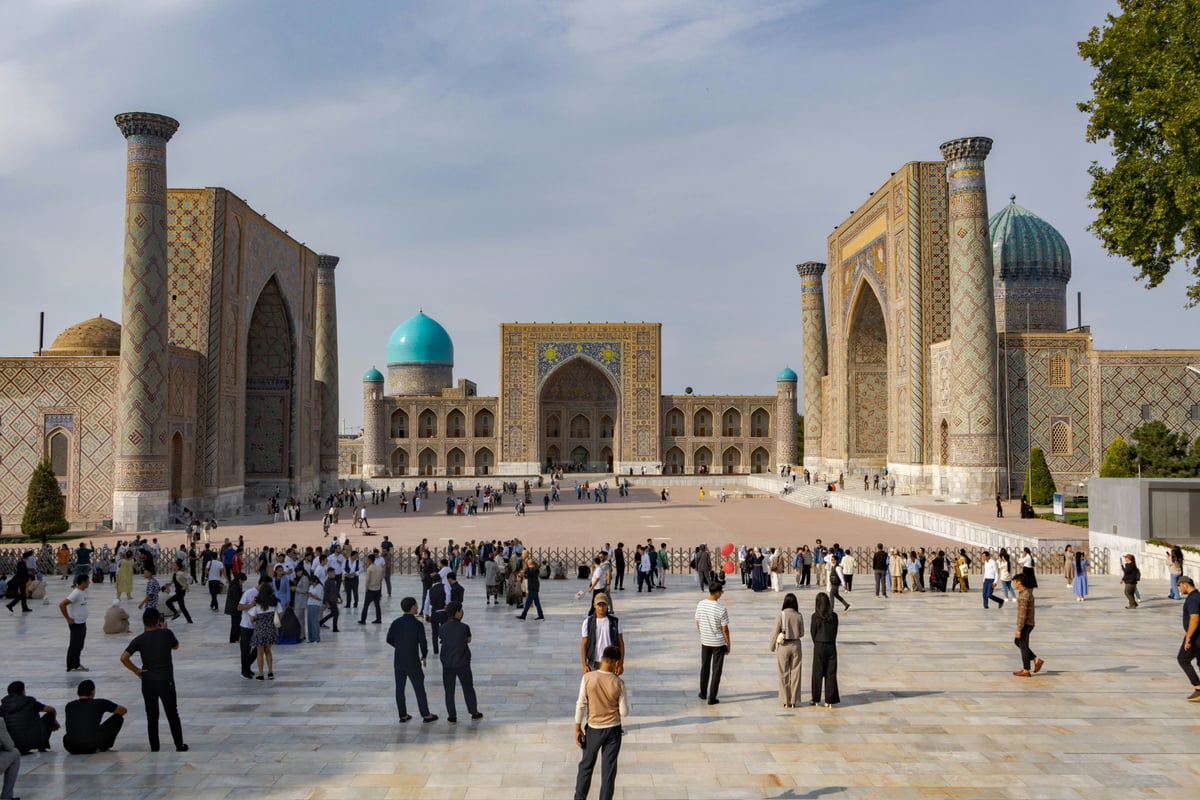
Becoming a local tourist transforms your relationship with the place you call home, revealing layers of beauty, history, and culture hiding in plain sight. Whether you're rediscovering your city through structured experiences or spontaneous wandering, the journey enriches both your understanding and your daily life. If you're ready to see your city with fresh eyes, Visit Samarkand offers the perfect starting point, with free walking tours that showcase how professional guides can transform familiar streets into compelling narratives of history and culture.